
Last updated November 21, 2026
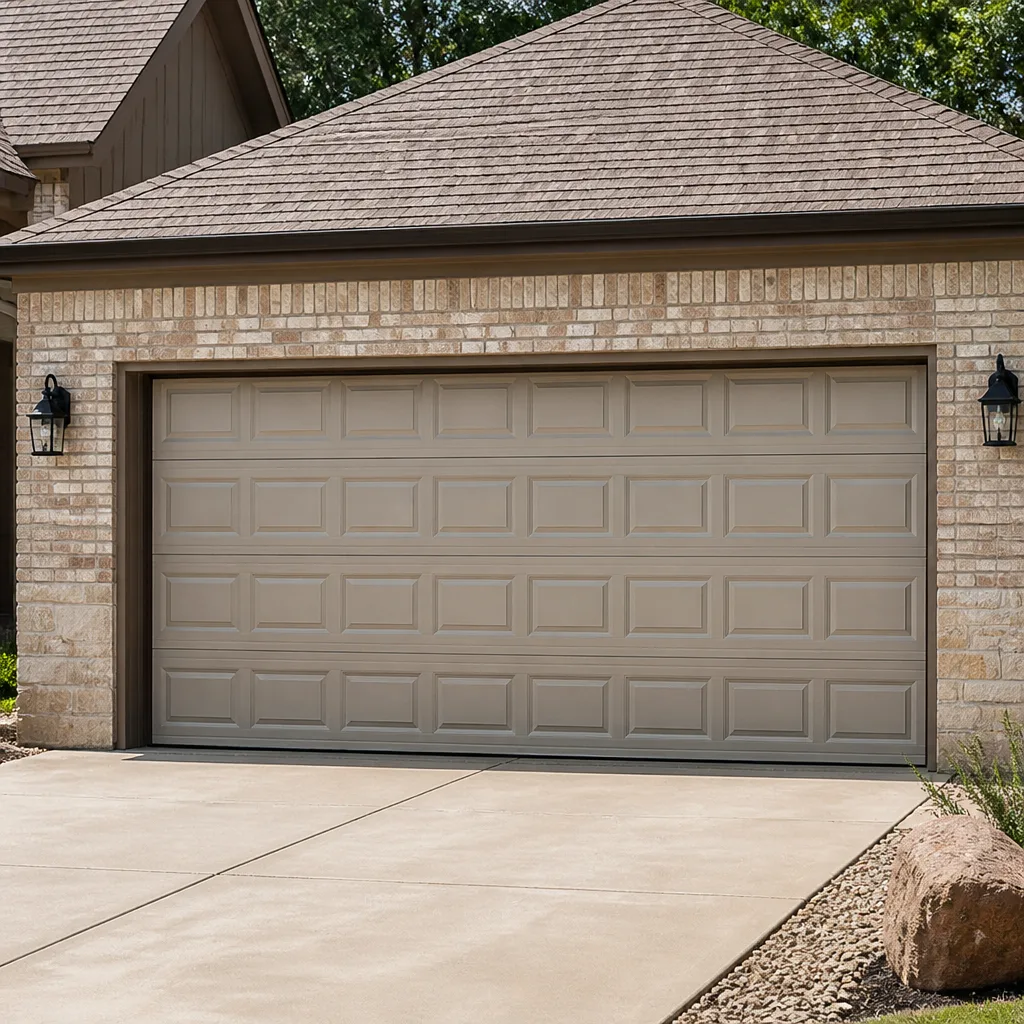 Raised-panel steel
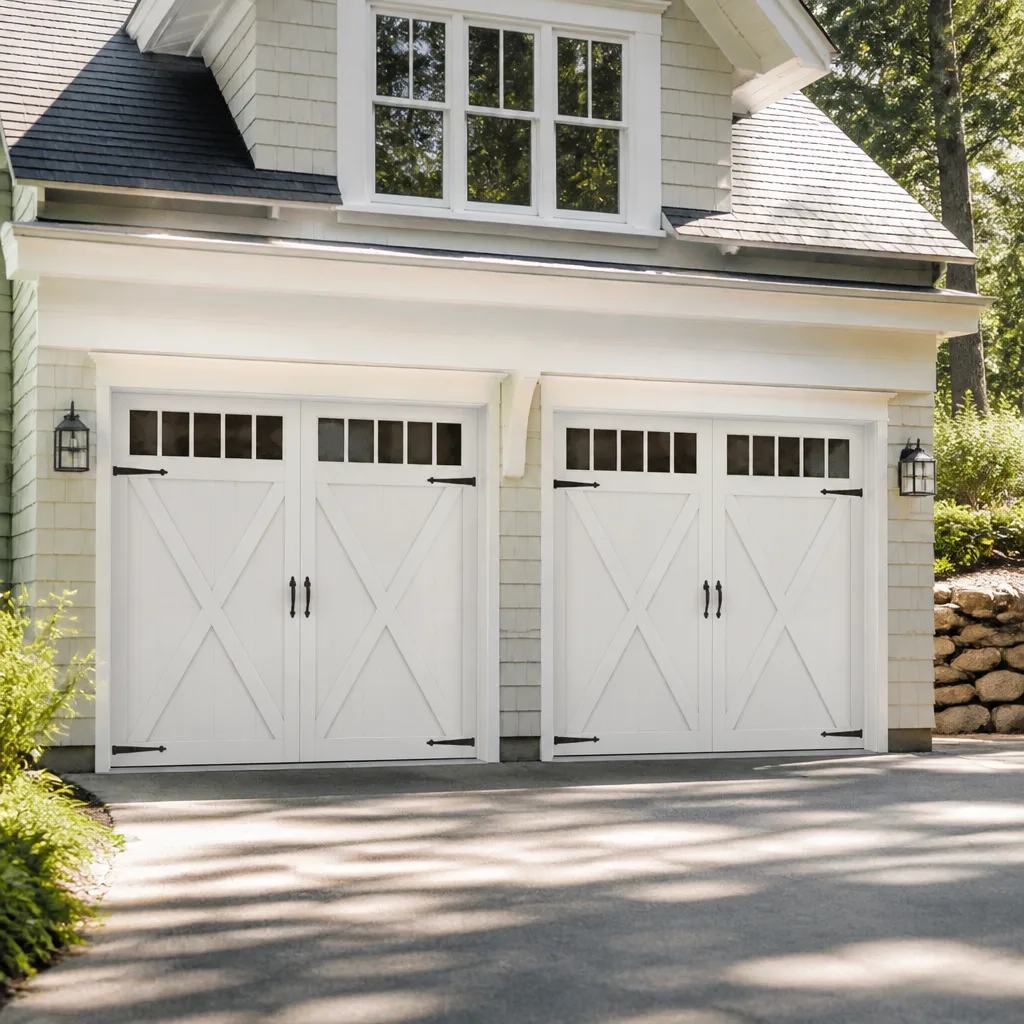 Carriage house
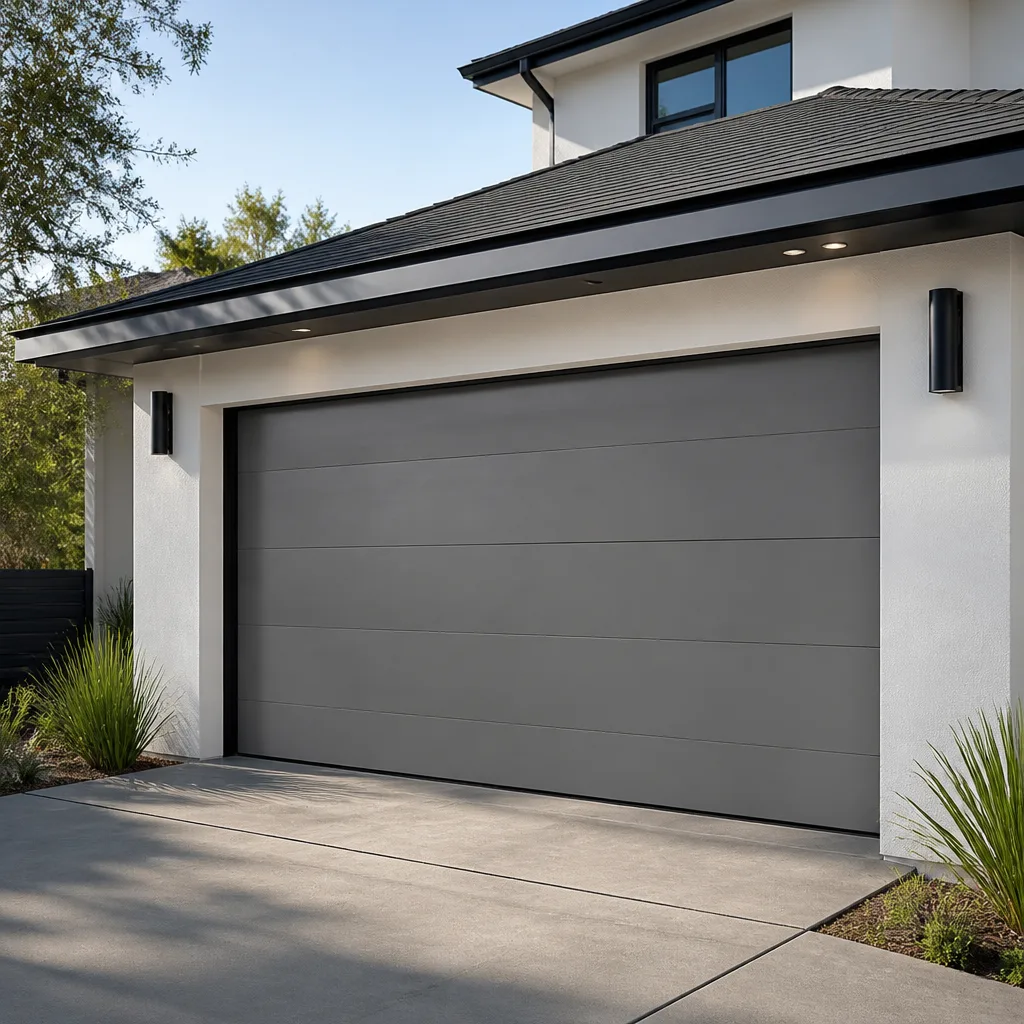 Modern flush
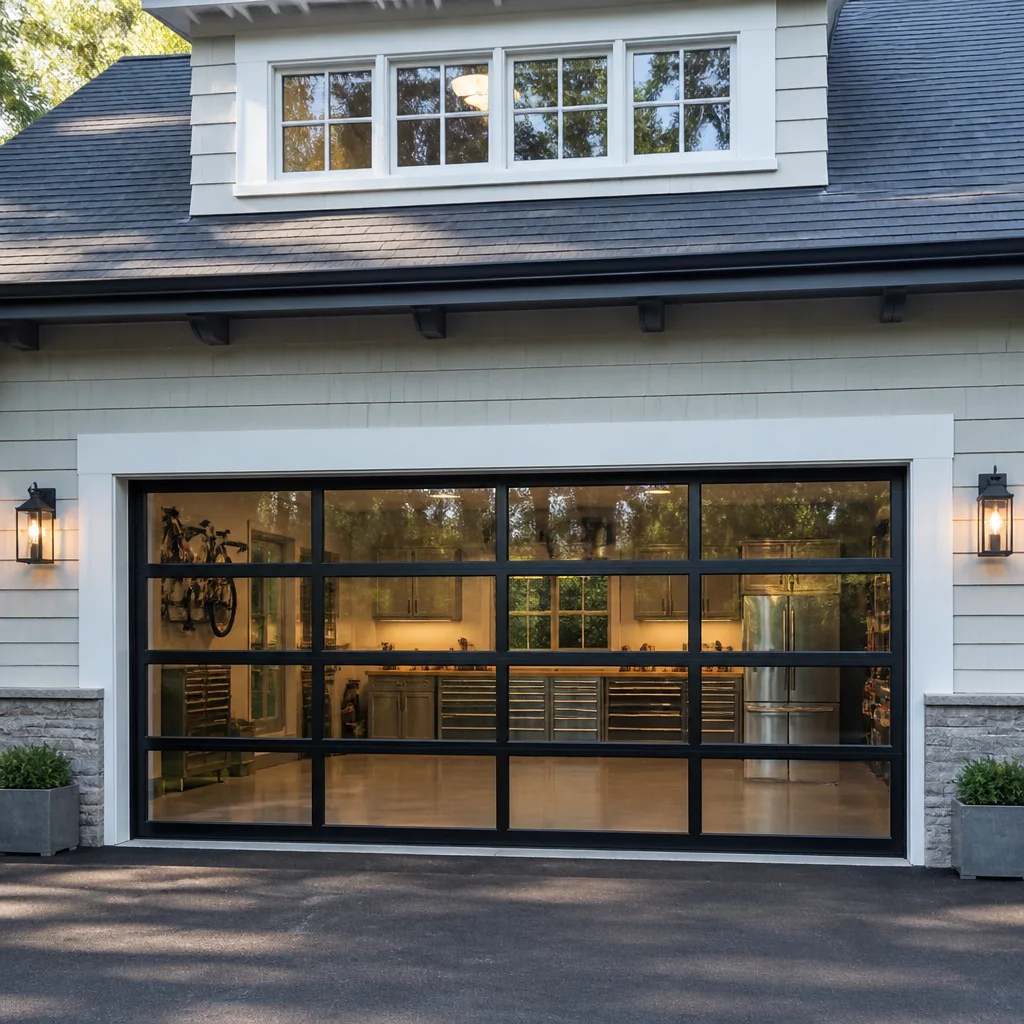 Full-view glass
 LiftMaster openers
 Chamberlain openers
Full 25-point door and opener safety check with every visit - springs, cables, rollers, tracks, and your LiftMaster or Chamberlain opener included
You get a price before we start. It does not change when the pro arrives.
Get your free estimateChoosing the Right Garage Door Brand: A Buyer’s Guide for Lincoln Park
The brand with the most TV advertising is not the brand with the best parts availability in Chicago, which matters a great deal when a roller bracket cracks at 7pm in January. Most buying guides rank brands by marketing budget and call it a review. Here’s what actually matters: whether the brand on your door matches your opening’s dimensions, your budget, and the parts network that can fix it after a cold snap. Lincoln Park’s housing stock is old and its alleys are tight, and both facts change which brand makes sense.
This guide explains how steel gauge translates to dent resistance in alley-clearance conditions, how R-value claims are measured, what “lifetime limited” really covers, and which brands dominate Lincoln Park garages already. You’ll finish knowing how to compare brands on the things that affect a repair bill in year eight, not year one.
Quick Answer
The best garage door brand in Lincoln Park depends on your opening. If your garage is a standard two-car width, Clopay and Amarr are the safest bets for parts availability and warranty coverage in Chicago. If your opening is non-standard or your home is a vintage Lincoln Park greystone or brick two-flat, Wayne Dalton offers more forgiving sizing options at the production level. For openers, LiftMaster and Chamberlain dominate local inventory; Genie is reliable but replacement parts are less consistently stocked. Spring and hardware compatibility follows the same logic: the brand already on your door is usually the cheapest to repair.
Styles & brands we work with
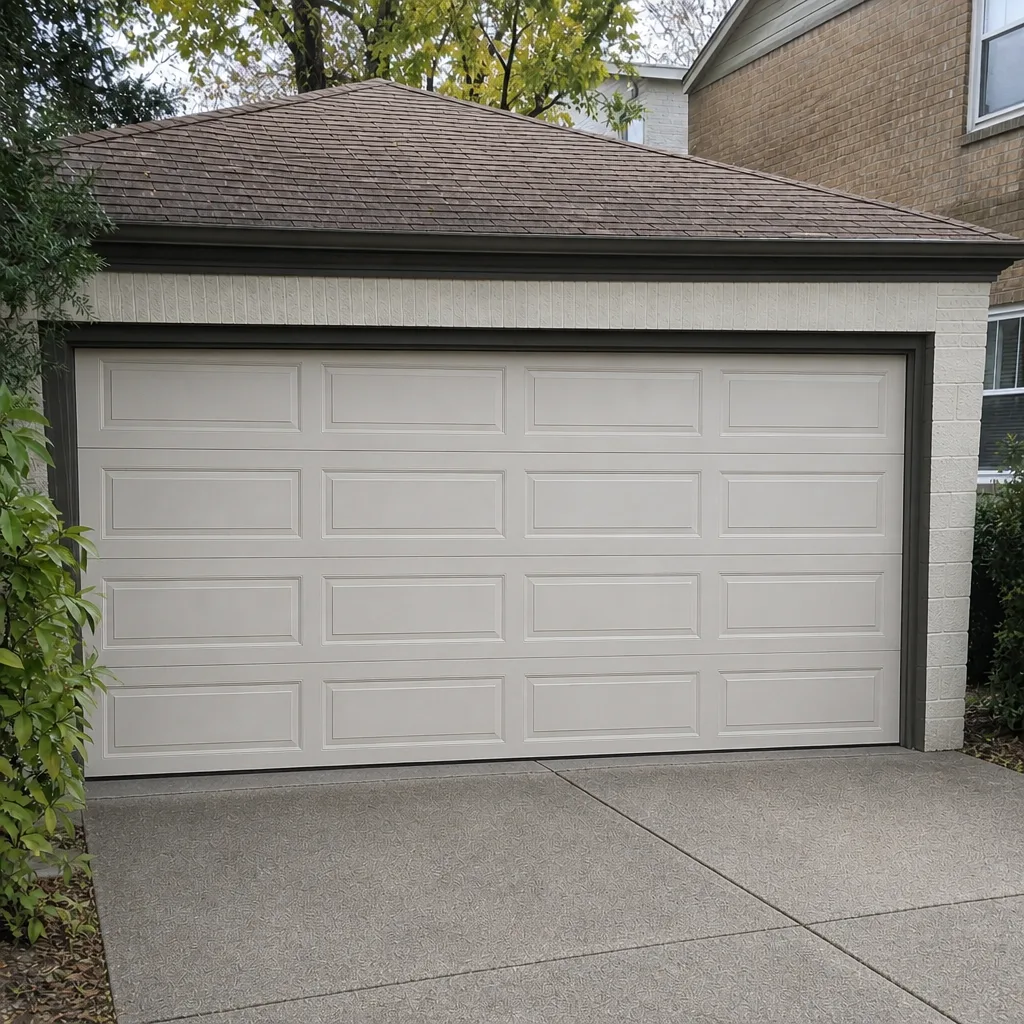
- Raised-panel steel
- Carriage house
- Modern flush
- Full-view glass
- LiftMaster openers
- Chamberlain openers
Table of Contents
- Which Brands Dominate Lincoln Park’s Housing Stock?
- Steel Gauge Decoded: 24, 25, and 27 Gauge in Alley Conditions
- Insulation R-Value: What the Numbers Don’t Tell You
- Warranty Terms Decoded: What “Lifetime Limited” Actually Covers
- Custom Sizing by Brand: Production vs. Full Custom Orders
- Opener Brands: LiftMaster, Chamberlain, and Genie Compared
- Parts Availability in Chicago: The Real Differentiator
- A Step-by-Step Decision Framework
Which Brands Dominate Lincoln Park’s Housing Stock?
Clopay, Wayne Dalton, and Amarr dominate Lincoln Park’s existing residential garages. That’s not a marketing claim; it’s what our technicians see when they open doors across the neighborhood, from the brick two-flats near Armitage Avenue to the greystones closer to Clark Street. Clopay is the most common single brand we encounter, followed by Wayne Dalton and then Amarr. LiftMaster and Chamberlain dominate openers by a wide margin.
This matters for two reasons. First, parts sourcing: when a hinge, bracket, or roller fails on a door with a brand that’s already common in Lincoln Park, replacement components are faster to source and cheaper to supply. Second, resale familiarity: buyers touring Lincoln Park homes recognize Clopay and Wayne Dalton doors, and they know what they’re getting. An obscure brand can raise questions during an inspection, but only if the door looks unusual or the hardware is hard to service.
Here’s the brand breakdown we actually see in Lincoln Park garages:
- Clopay: Most common overall. Standard sizing, broad availability, good for resale.
- Wayne Dalton: Second most common. More sizing flexibility, especially on older openings.
- Amarr: Common in mid-range renovations. Solid parts availability.
- LiftMaster and Chamberlain: The opener default. Local parts inventory is strong.
- Genie: Present, but replacement parts (especially circuit boards and remotes) are less consistently stocked.
- Raynor and Craftsman: Occasional, usually on older homes or DIY-installed doors.
One more point on Lincoln Park’s housing stock: many garages here were built for cars that were narrower than modern SUVs, which is why so many Lincoln Park openings are tighter than the national standard. If your opening is 8 feet or 9 feet wide instead of 16, brand sizing matters more than brand marketing. We work on the brand already in your garage, and the brand already in most Lincoln Park garages is one we know well.
Steel Gauge Decoded: 24, 25, and 27 Gauge in Alley Conditions
Steel gauge numbers run in reverse: lower numbers mean thicker steel. A 24-gauge door is thicker and more dent-resistant than a 27-gauge door. A 25-gauge door sits in between. In practical terms, a 24-gauge sectional door resists a car bumper or an alley-side impact far better than a 27-gauge door, but it also costs more and weighs more.
Why does this matter in Lincoln Park specifically? Alley clearance. Many Lincoln Park garages sit at the end of narrow, shared alleys, and the last 20 feet of approach is often tighter than a suburban driveway. Backing in, turning around, or angling past a neighboring garage can put a bumper closer to the door panel than a driver expects. A 27-gauge door that would survive a decade in a wide suburban driveway can dent on a corner within a few years of daily alley maneuvering here. That’s not a defect, it’s physics.
How to think about the tradeoff:
- Standard-use suburban or wide-driveway approach: 27-gauge is usually fine. It’s lighter, cheaper, and easier on the opener.
- Daily alley approach, tight clearance: 25-gauge is the practical floor in Lincoln Park. It absorbs minor contact without panel replacement.
- Rental property or high-traffic garage: 24-gauge. More expensive up front, but panel replacement costs more.
- Old wood or early steel door: gauge isn’t the right fix. Aging hardware, not panel thickness, is usually the failure point.
If you’re comparing two doors at the same price point and one is 25-gauge while the other is 27-gauge, the 25-gauge door is the better long-term value in Lincoln Park’s alley conditions. When we quote a garage door installation, we look at the approach first and recommend gauge from that, not from the brochure.
Insulation R-Value: What the Numbers Don’t Tell You
Most garage door R-value claims are measured at a single point in the center of the door panel. Whole-door R-value is usually lower, sometimes significantly, because the panel edges, seams, and window sections leak more than the center. A door marketed at R-18 single-point might perform closer to R-12 across the whole assembly in a field installation. That’s not dishonest, it’s just the difference between a lab measurement and a real Lincoln Park garage.
Chicago winters make this concrete. An uninsulated or poorly insulated garage door in Lincoln Park pulls heat out of the room above it and cools the garage enough that anything stored there (paint, cleaning supplies, car batteries) freezes if left in place. Insulation doesn’t just affect the garage; it affects the room above and cold air infiltration into the house.
What to look for when comparing brand R-value claims:
- Ask whether the rating is single-point or whole-door. If a brand won’t say, assume the higher of the two is single-point.
- Match insulation to the room above the garage. Garage with a bedroom above: prioritize whole-door R-value. Detached garage with storage only: R-value matters less.
- Windows reduce effective R-value. A door with a top row of decorative windows loses insulation at that row; expect the whole-door number to drop.
- Polyurethane foam panels outperform polystyrene at the same claimed R-value. The number doesn’t always show this, but longevity and moisture resistance do.
In our experience, most Lincoln Park homeowners with a living space above the garage benefit from a polyurethane-foam insulated door regardless of the brand’s headline R-value. For detached garages, a well-sealed steel door with basic insulation usually delivers most of the benefit for less money.
Warranty Terms Decoded: What “Lifetime Limited” Actually Covers
A “lifetime limited” warranty rarely covers the whole door. It usually covers specific components only: the steel panel against rust-through, the section against manufacturing defects, or the torsion spring for a set number of cycles. Hardware, rollers, hinges, and openers almost always fall under shorter terms or are excluded. The word “limited” is doing a lot of work in the headline.
The warranty terms we compare most often in Lincoln Park:
- Panel rust-through: Typically covered for the life of the door on steel doors. But damage from a bump, a dent, or a scratch that leads to rust is usually excluded.
- Section defects: Usually 10 to 15 years, sometimes shorter for the bottom section because contact with the ground is expected wear.
- Springs: Almost always a cycle-based warranty, not a year-based one. A 10,000-cycle spring fails at 10,000 cycles even if it’s only three years old.
- Hardware: Frequently 1 to 5 years. Rollers, hinges, and bearings are wear items, not defects.
- Paint and finish: Usually excluded entirely after the first year.
The other thing to know about “lifetime limited” warranties is the dealer requirement. Some brands require repair to be done by a certified dealer for the warranty to remain valid, and others don’t. Before you buy a door with a strong warranty claim, ask: who can service this door in Lincoln Park without voiding coverage? If the only answer is a dealer the brand controls, and that dealer isn’t in the neighborhood, the warranty is worth less in practice.
This is one reason Clopay and Amarr tend to be the safer picks for Lincoln Park. Their warranty terms don’t usually require dealer-only service, which means garage door repair can be handled without a warranty dispute.
Custom Sizing by Brand: Production vs. Full Custom Orders
Most garage door brands offer standard widths of 8, 9, 16, and 18 feet, and standard heights of 7 and 8 feet. If your opening is standard, all the major brands work. If your opening is non-standard, brand choice changes your timeline significantly.
Lincoln Park has more non-standard openings than a newer suburb. Vintage two-flats and greystones often have openings that are narrower or shorter than current standards, sometimes by several inches. Here’s how the brands compare on custom sizing:
- Wayne Dalton: Best production flexibility. Many non-standard widths and heights are available as a standard production option rather than a full custom order, which shortens the timeline.
- Clopay: Wider range than most, but often requires an actual custom order for anything well outside standard, adding lead time.
- Amarr: Standard sizing focus. Custom orders are available, but with the longer lead time you’d expect.
- Others: Varies heavily. Some brands quote custom sizing as a production option, and others route everything non-standard through a custom shop.
The rule of thumb: if your opening is within an inch or two of standard, ask whether the brand can build to that measurement as a production option. If it’s more than a few inches off, expect a full custom order and plan the schedule accordingly. This is where a proper measurement before ordering matters most. We don’t promise same-day on an installation because a door has to be measured and ordered first; the free measure and written price come before anything ships. If you’d like that measured, call (855) 658-5155.
Opener Brands: LiftMaster, Chamberlain, and Genie Compared
LiftMaster and Chamberlain are the safest openers for a Lincoln Park garage. They share a parent company, they use many shared components, and replacement parts (circuit boards, remotes, belts, safety sensors) are consistently stocked locally. A garage door opener repair on either brand is generally faster and cheaper than on a brand with a thinner parts network.
Genie is reliable and quiet, and many Lincoln Park homes have Genie openers installed by the previous owner. The catch is parts availability. Replacement remotes, circuit boards, and certain sensors for older Genie models are less consistently stocked in Chicago, which can extend repair times when something fails. It’s not a quality problem; it’s a supply question.
What to compare when choosing an opener brand:
- Parts network: LiftMaster and Chamberlain lead in Lincoln Park. Genie trails them.
- Safety features: All three brands include safety reversing sensors. LiftMaster and Chamberlain add battery backup on some models, which is useful if you have a garage that gets used during a power cut.
- Noise: Belt-drive openers are quieter across all brands. If your garage is under a bedroom, belt drive is worth the upcharge regardless of brand.
- Smart-home integration: All three brands support app-based control on their newer models, with LiftMaster and Chamberlain slightly ahead on third-party integration.
One practical note: if your garage already has a LiftMaster or Chamberlain rail and motor housing, replacing just the motor unit is usually the cheapest path. That’s a repair decision, not a brand decision.
Parts Availability in Chicago: The Real Differentiator
The single biggest difference between brands in Lincoln Park isn’t the product. It’s the parts network behind it. When a roller bracket cracks in January, or a torsion spring winds out after a cold snap, the question is how fast the right part can be sourced and installed. That depends on local inventory, not on the brand’s national advertising.
Here’s how we think about parts availability in Chicago:
- Strong local parts availability: LiftMaster, Chamberlain, Clopay, Amarr. Most likely to have replacement components in stock regionally.
- Good local availability: Wayne Dalton. Slightly less consistent, but rarely a multi-day wait.
- Variable local availability: Genie, Craftsman, Raynor. Replacement components can require special ordering, especially on older models.
Why we lead with this: we supply parts directly rather than sending customers to a big-box store mid-repair, and that’s more valuable on brands where the parts chain is thin. Parts on hand, not on order, is the difference between a same-day repair and a several-day wait, especially on a spring or bracket failure that takes the whole door out of service.
If you already have a Genie, Craftsman, or Raynor opener or door in Lincoln Park, the honest answer is that the brand is fine but the repair timeline may run longer than on a LiftMaster or Clopay. Call (855) 658-5155 and we’ll tell you what we can source and when.
A Step-by-Step Decision Framework
Here’s the framework we’d use if we were choosing a garage door brand for a Lincoln Park home, in order:
- Measure the opening. Standard or non-standard? Note the width and height before comparing brands. This single step rules out brands that can’t hit your dimensions without a custom order.
- Identify what’s already on the door. If a functional Clopay, Wayne Dalton, or Amarr door is in place, replacing the same brand is almost always cheaper than switching.
- Check parts availability. For Clopay and Amarr, standard. For Genie and Raynor, expect to order. If repair speed matters most, prioritize the former.
- Match steel gauge to your approach. Tight alley: 25-gauge minimum. Wide driveway: 27-gauge is fine. Rental or high-traffic: 24-gauge.
- Match insulation to the room above. Living space above the garage gets a polyurethane insulated door; detached storage-only garages don’t need the premium.
- Read the warranty carefully. Ask about dealer service requirements and what’s excluded before you buy, not after a spring fails.
- Get the written estimate before ordering. Every price we quote is confirmed before any work starts. The written quote is the price, and it doesn’t change after the door arrives.
For most Lincoln Park homeowners, this framework lands on Clopay or Amarr for a standard opening and Wayne Dalton for a non-standard one. If you’re already in a LiftMaster garage, keep it. The brand choice rarely costs more than a few hundred dollars more or less than any other sensible option, but the parts-and-repair timeline can differ by days.
Common Mistakes to Avoid
- Buying on advertising alone. The brand with the biggest TV presence isn’t the brand with the best local parts stock. In Lincoln Park, Clopay and LiftMaster outperform their ad budgets on that measure. Two sentences: check the parts network before the brand story.
- Ignoring the alley approach. A 27-gauge door looks fine in photos and dents quickly in a tight Lincoln Park alley. Walk the last 20 feet of your approach before choosing gauge.
- Taking the R-value claim at face value. Single-point ratings overstate whole-door performance. Ask the manufacturer whether the number is single-point or whole-door, and price accordingly.
- Assuming “lifetime limited” covers everything. It usually covers panel rust-through and manufacturing defects, not springs, rollers, or labor. Read the exclusion list before you commit.
- Ordering a non-standard width without measuring first. Lincoln Park’s vintage two-flats frequently have tight or short openings. Measuring first avoids a custom-order timeline or a return.
- Mixing brands carelessly on a repair. A mismatched opener and rail can work, but it’s more likely to fail early and harder to service. Stick with the original brand where possible.
- Waiting for a spring to break before pricing. A spring cycle-based warranty means you can’t know remaining life by age. If the door is over a decade old on original springs, price the replacement before something fails at the worst moment.
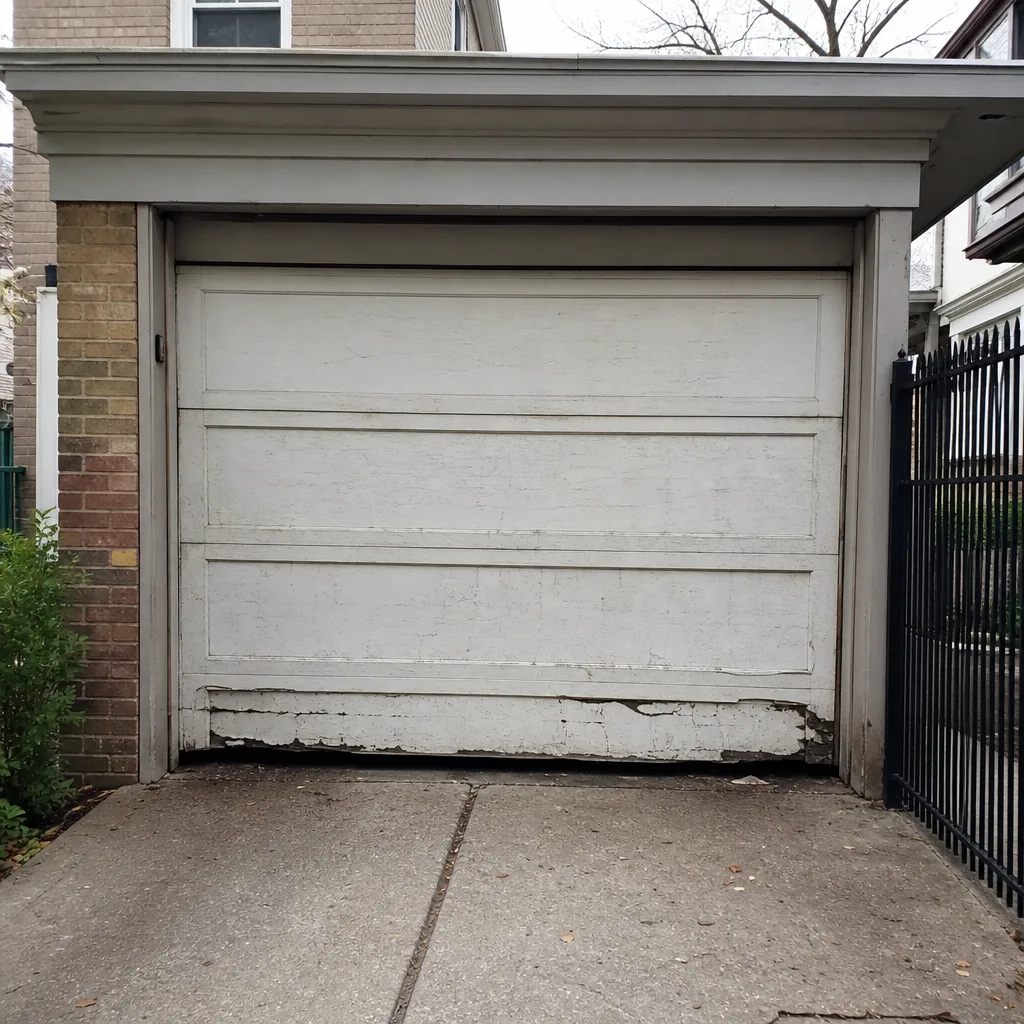
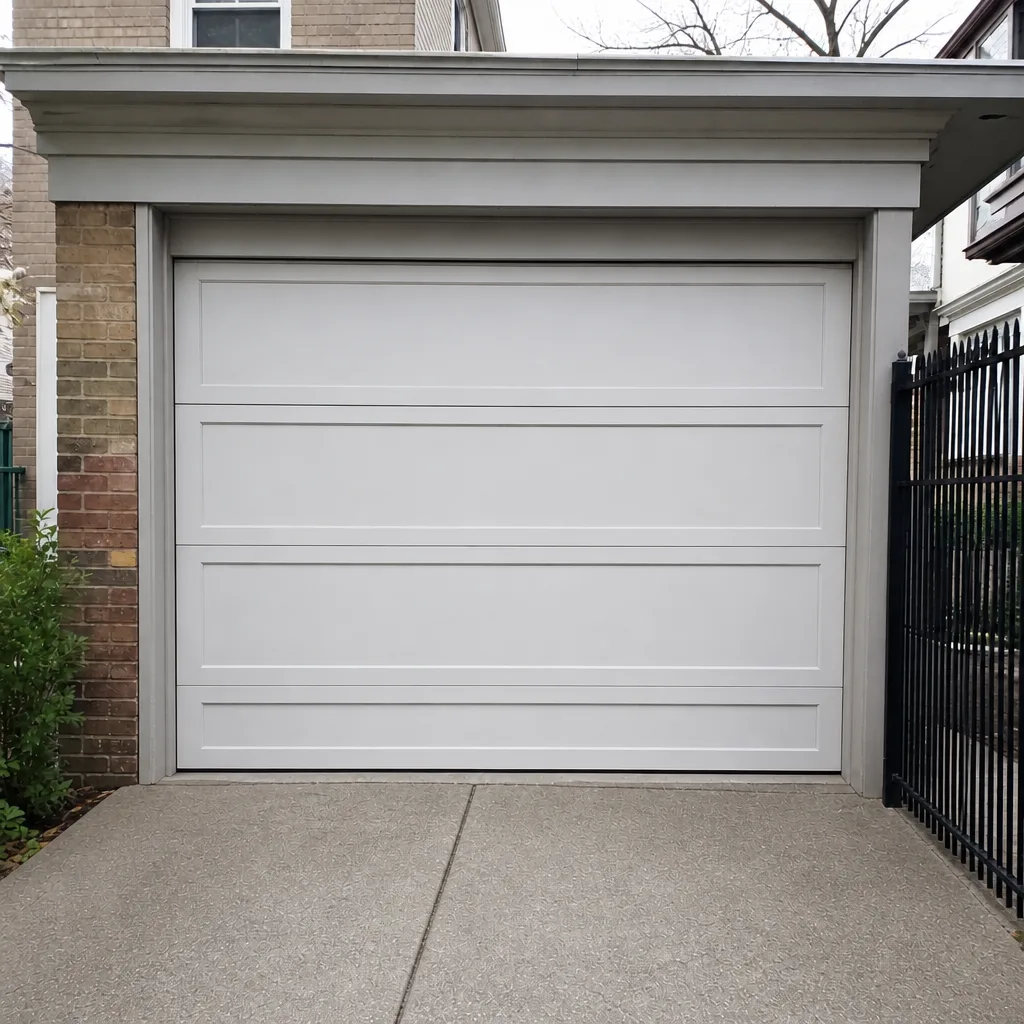
See the difference
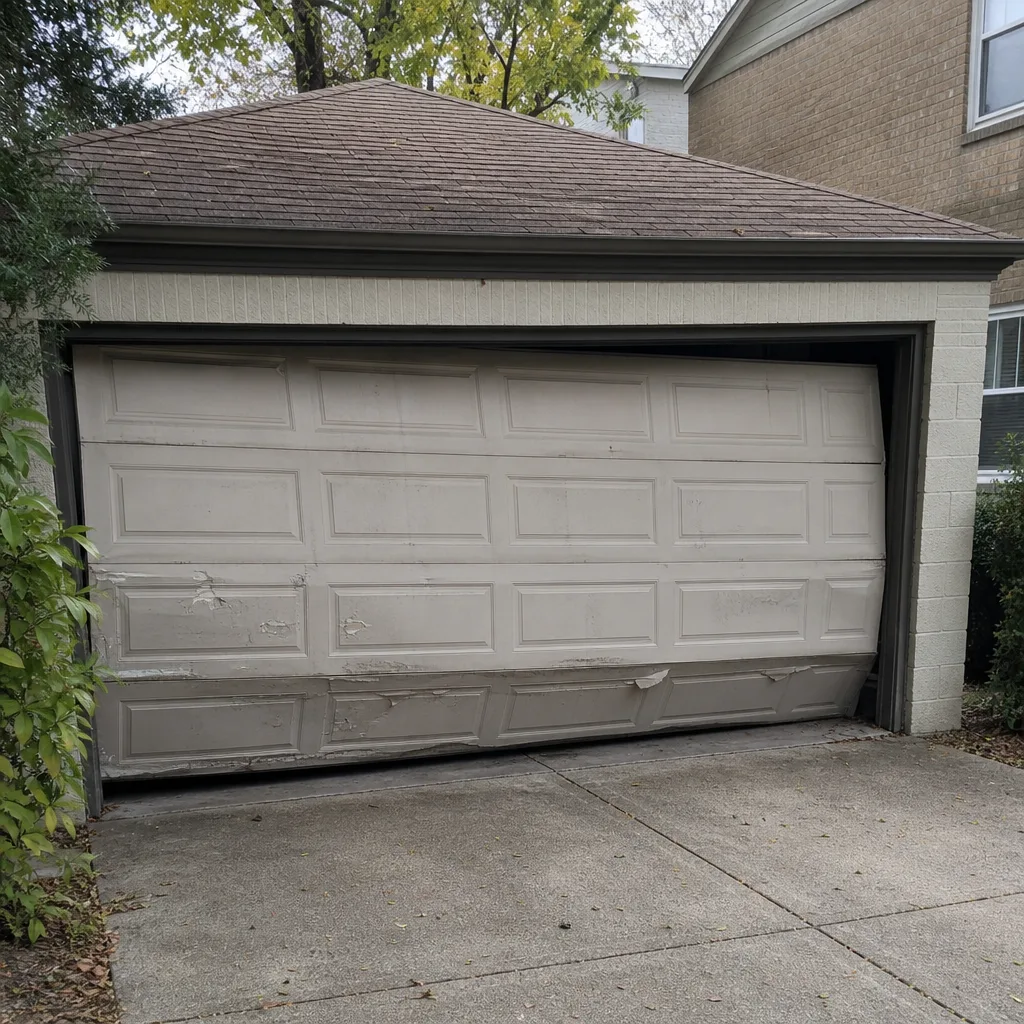 Before
 After
 Before
 After
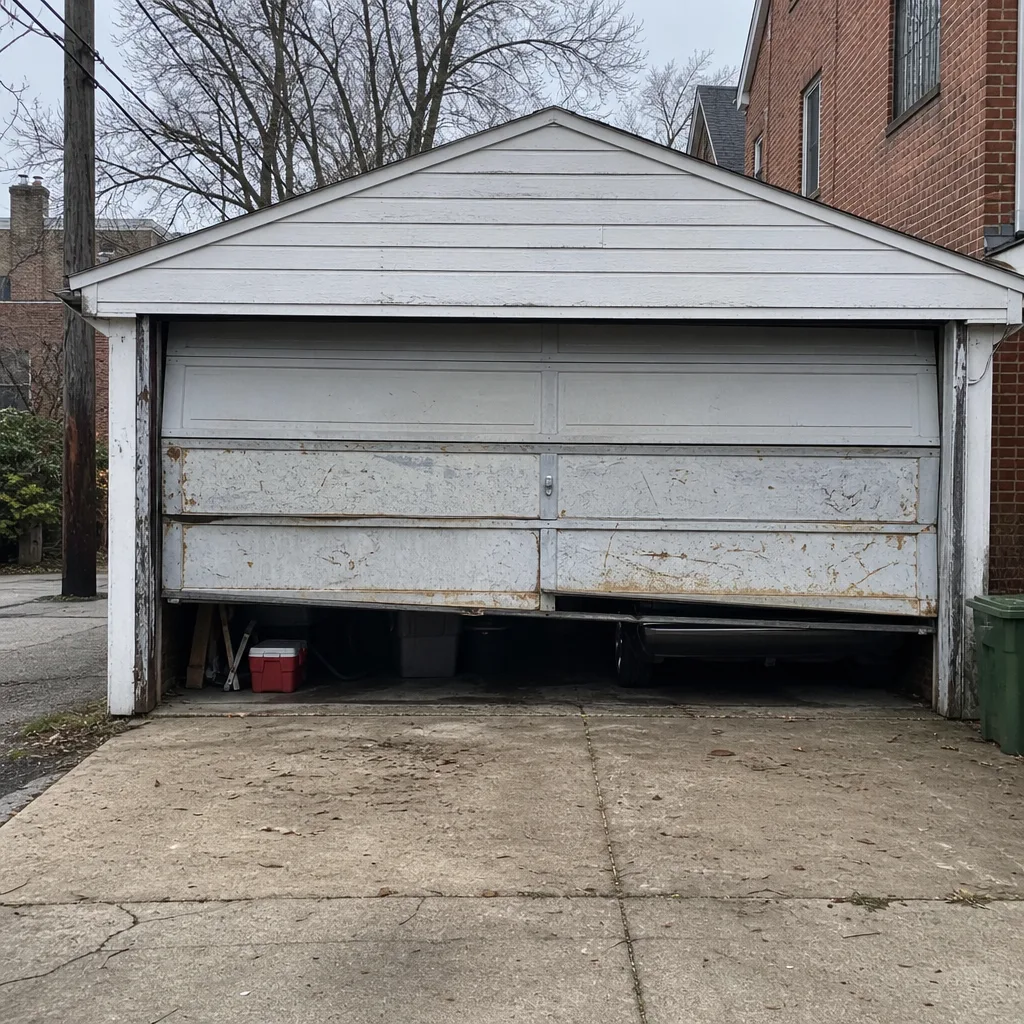 Before
 After
When to Call a Professional
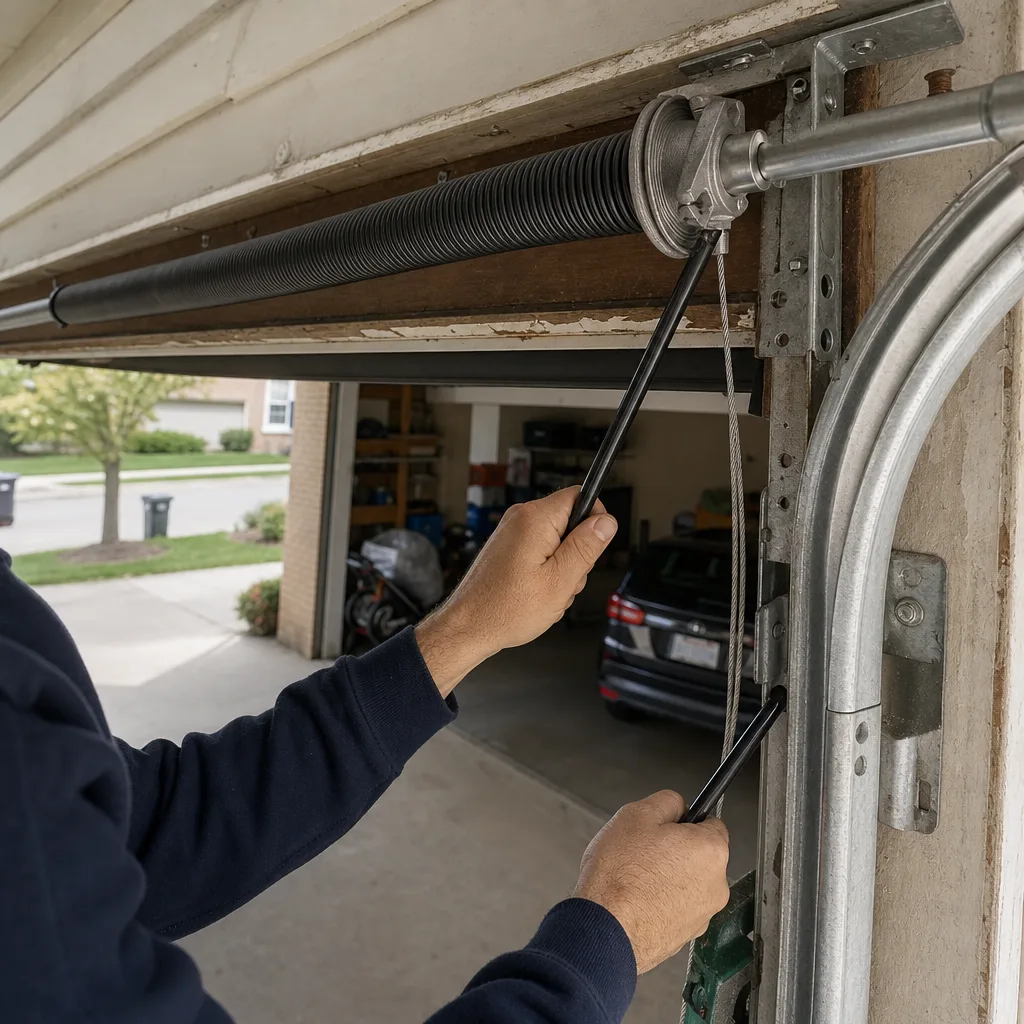
Call a professional for anything involving torsion springs, cable tension, track alignment, or opener electrical components. Those are safety-critical systems, and getting them wrong can cause serious injury. High-tension springs especially: a loaded torsion spring holds enough energy to break bones if it lets go during a DIY attempt, and it can let go with no warning beyond a bang. That’s the work we do, and we don’t advise homeowners to attempt it.
Call as well if the door is stuck, the opener runs but the door doesn’t move, the door comes off its track, or you’re considering replacing the door and need an accurate measurement before ordering. Garage Door Repair Lincoln Park offers free estimates in Lincoln Park. Call (855) 658-5155. We answer 24/7. Fast dispatch from 7am to 7pm, Sunday through Friday.
One more scenario: if you’re comparing brands and the quoted install is weeks out because of a custom size, call first. A quick measurement often avoids a custom order entirely. From the opener to the panel to the hardware, we handle the full job as one specialty, not a side service.
Frequently Asked Questions
Clopay and Amarr are the safest choices for standard openings because their parts availability and warranty terms hold up well in Chicago. For non-standard or vintage Lincoln Park openings, Wayne Dalton usually has the most production-flexible sizing. The “best” brand is the one that fits your opening without a custom-order timeline.
24-gauge is thicker and more dent-resistant; 27-gauge is lighter and cheaper. In Lincoln Park’s tight alleys, 25-gauge is the practical minimum for daily-use doors, and 24-gauge is worth the upcharge for a rental or high-traffic garage. The 27-gauge door is fine on a wide, quiet driveway.
LiftMaster and Chamberlain have the strongest local parts network in Chicago. Genie openers are reliable but replacement parts (especially for older models) are less consistently stocked, which can extend repair times. If opener repair speed matters, the LiftMaster and Chamberlain families are the safer bet.
It usually covers the steel panel against rust-through and manufacturing defects, not springs, rollers, or hardware. Springs are typically covered by a cycle-based warranty, and paint or finish is commonly excluded. Read the dealer-service requirements before buying; some brands require certified-dealer repairs for the warranty to stay valid.
Yes, but the brand matters. Wayne Dalton offers more non-standard widths and heights as a production option; Clopay and Amarr offer custom sizing but usually with a longer lead time. Measure first, then compare quotes. The free measure and written price come before any order is placed.
The local professional we connect you with is licensed and insured as their state requires, and our technicians have up to 12 years of experience. We’re factory-familiar with LiftMaster, Chamberlain, Genie, Clopay, Amarr, Wayne Dalton, Craftsman, and Raynor, so we’re not guessing at proprietary mechanisms. Call (855) 658-5155 for an exact quote; estimates are free.
The Bottom Line
Brand choice matters, but not in the way most buying guides suggest. In Lincoln Park, what matters most is whether the brand fits your opening, whether parts are locally available, and whether the warranty holds up when a spring fails in January. Clopay and Amarr lead on parts availability for standard openings; Wayne Dalton leads on production flexibility for non-standard ones; LiftMaster and Chamberlain are the safest opener bet. Steel gauge should follow your alley approach, and insulation should follow the room above the garage. Compare on those factors and you’ll get a door that’s easy to live with and easy to repair. Need a second opinion on a brand you’re considering? Call (855) 658-5155 for a free estimate. We answer 24/7. Fast dispatch from 7am to 7pm, Sunday through Friday.
Written by the team at Garage Door Repair Lincoln Park.