
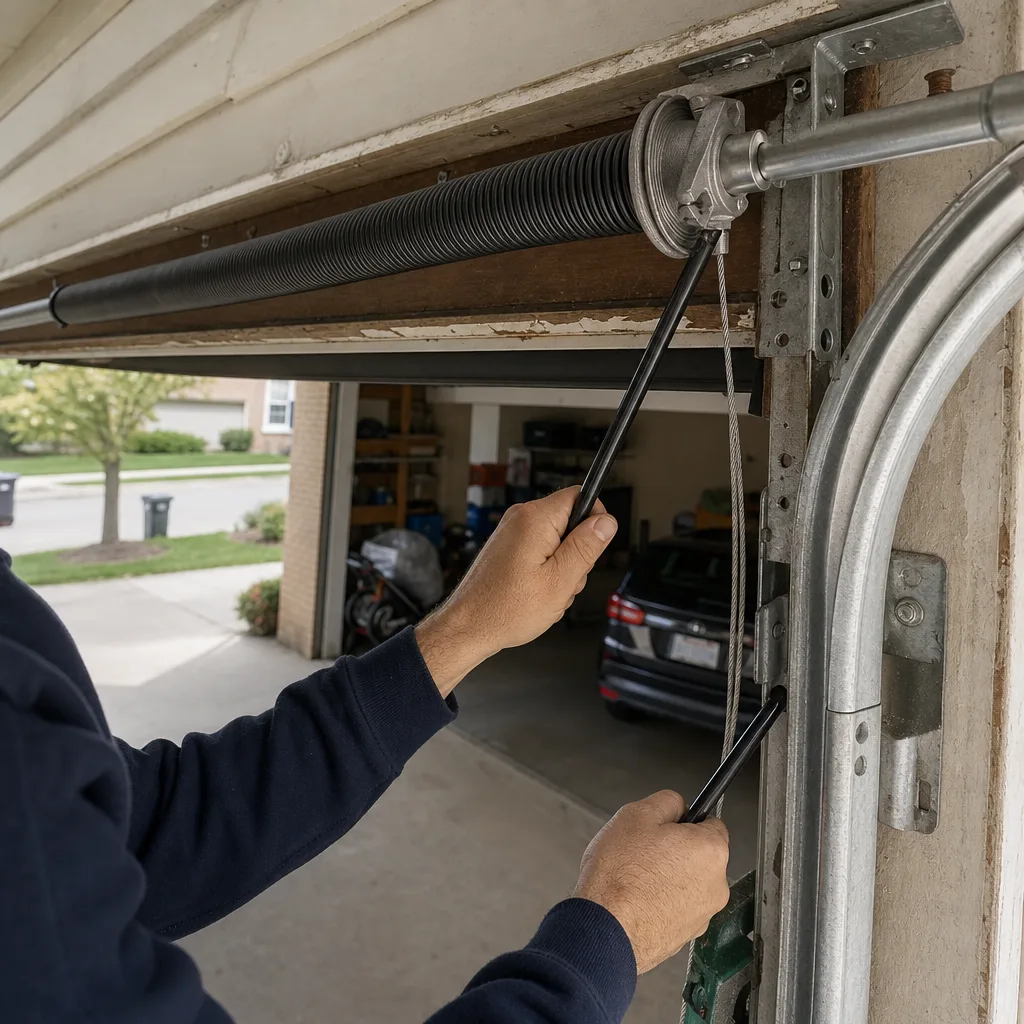
Last updated November 21, 2026
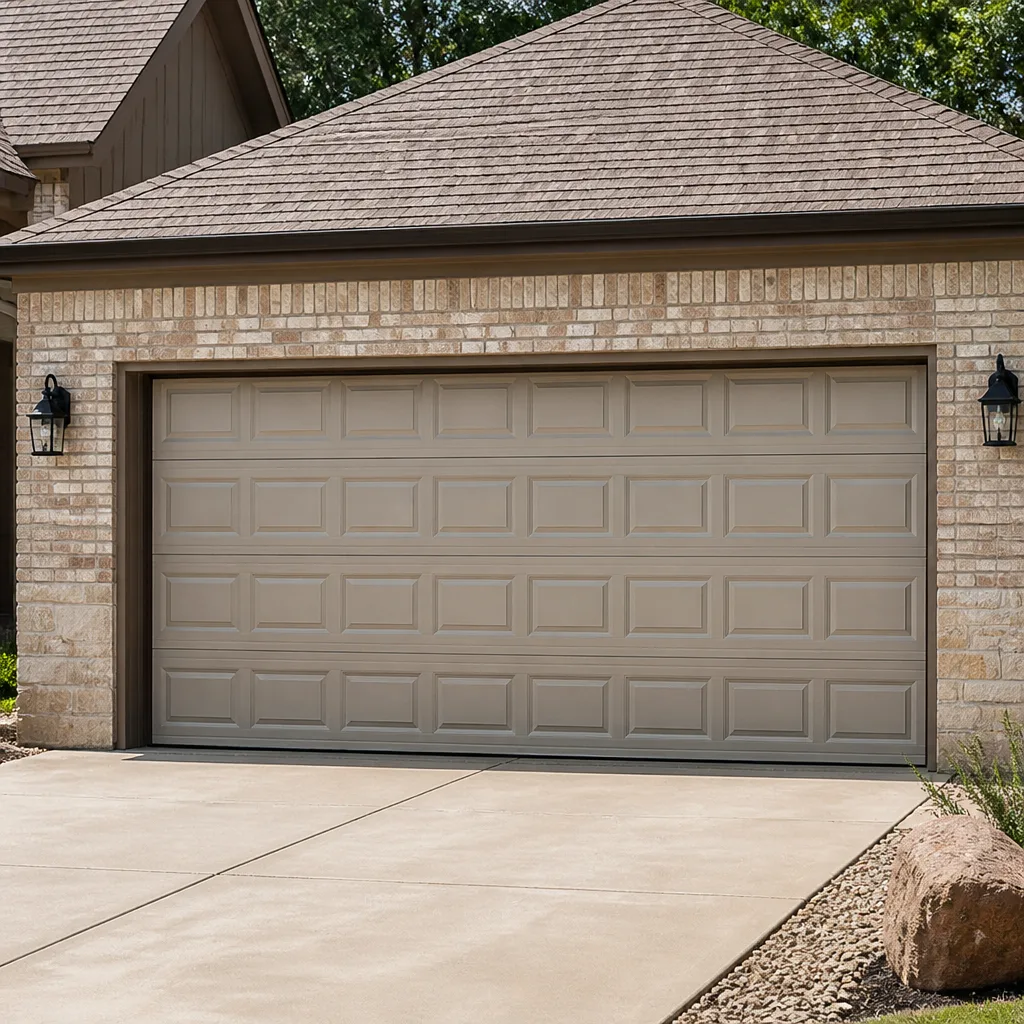 Raised-panel steel
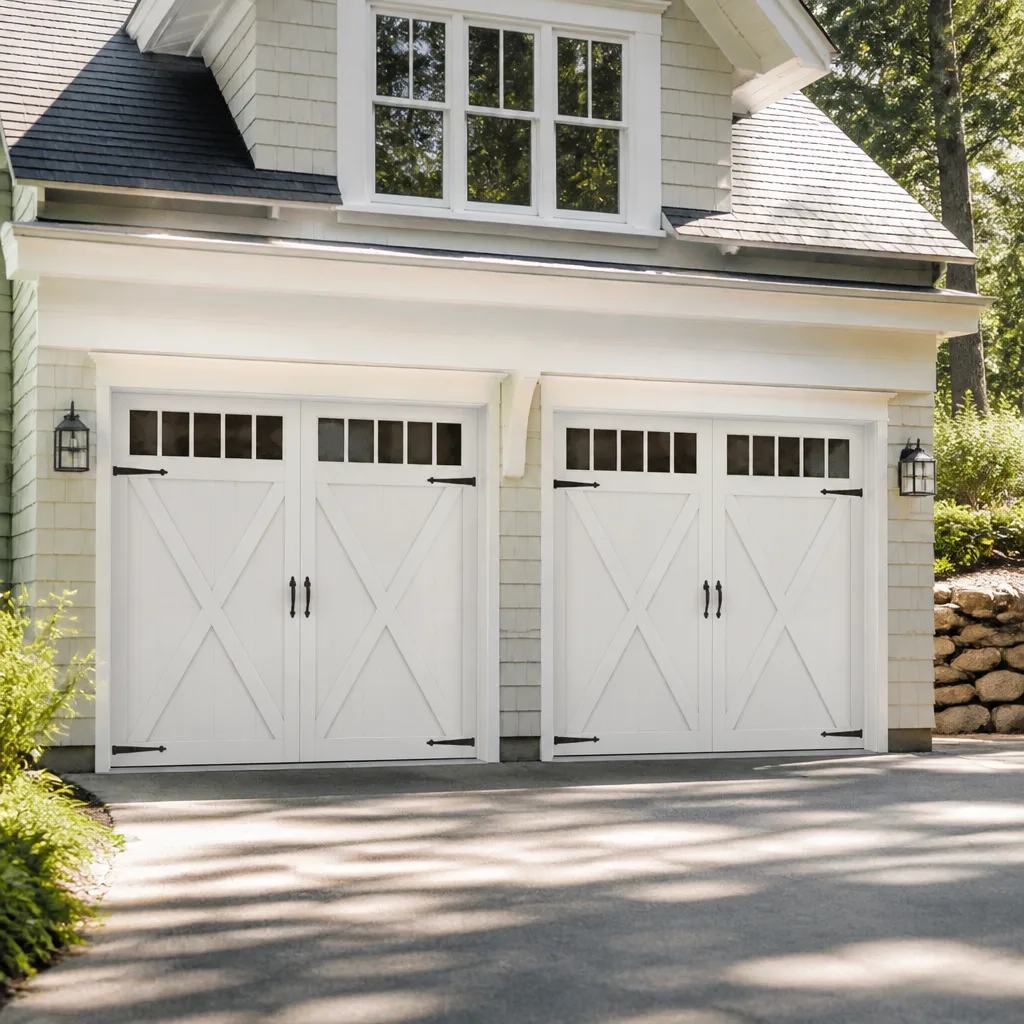 Carriage house
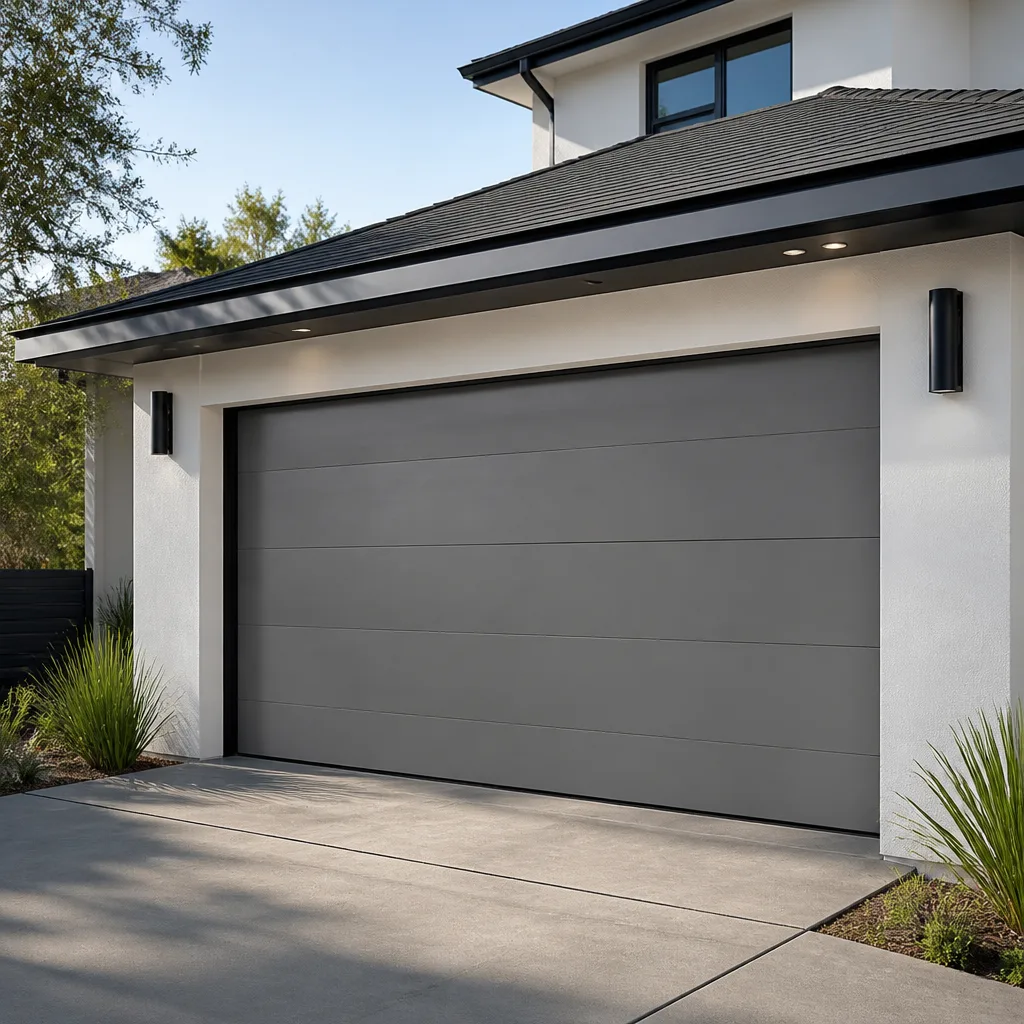 Modern flush
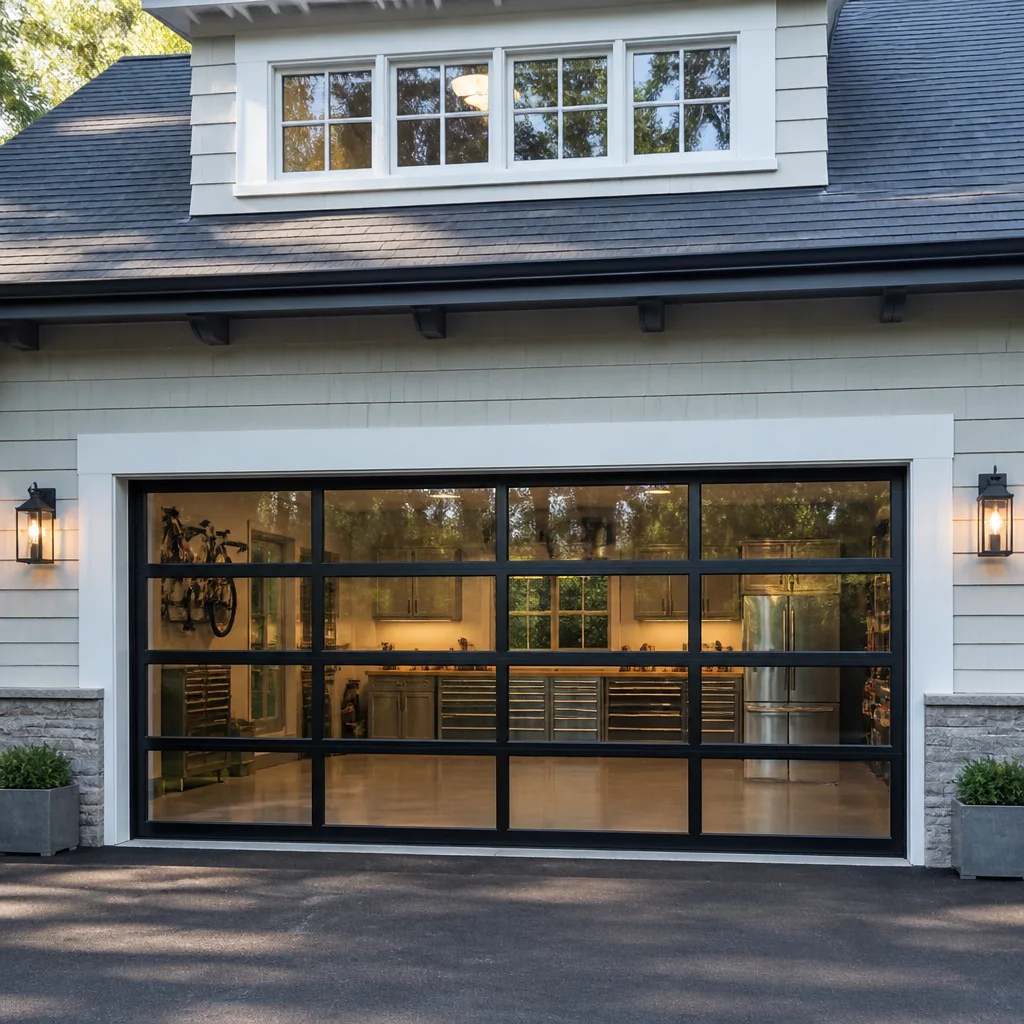 Full-view glass
 LiftMaster openers
 Chamberlain openers
Full 25-point door and opener safety check with every visit - springs, cables, rollers, tracks, and your LiftMaster or Chamberlain opener included
You get a price before we start. It does not change when the pro arrives.
Get your free estimateDIY vs Professional Garage Door: The Lincoln Park Homeowner’s Decision Guide
Most DIY-vs-pro arguments for garage doors get the question wrong. They frame it as a skill contest – are you handy enough? – when the real dividing line is mechanical risk. Some garage door jobs are genuinely homeowner-appropriate: swapping a bottom seal, lubricating hinges, nudging a photo-eye back into line. Others involve stored energy that can hurt you even when the door looks dead and the tension seems gone. Torsion spring work sits in that second category, and it’s the reason “I watched a video” isn’t a qualifier. This guide sorts the tasks by actual risk, prices out the full picture of both paths, and explains the Lincoln Park code layer most guides skip.
Quick Answer
In Lincoln Park, do the low-risk maintenance yourself – seals, lubrication, sensor alignment, visual inspections – and call a professional for anything involving torsion springs, cables under tension, or track work on a cabled door. Spring repair is a high-tension job where mistakes injure people, not just damage doors, and a professional repair typically comes with a warranty that a DIY attempt can’t match. Permits are required for a full door replacement regardless of who swings the wrench.
Styles & brands we work with
- Raised-panel steel
- Carriage house
- Modern flush
- Full-view glass
- LiftMaster openers
- Chamberlain openers
Table of Contents
- The Task-by-Task Breakdown: What’s Safe, What’s Risky, What Isn’t DIY
- Why Torsion Springs Are Different: The Physics Behind the Warning
- The True Cost Comparison: DIY vs Professional in Lincoln Park
- Chicago Code and DIY Replacements: What the Permit Really Covers
- Finding the Middle Ground: Maintenance You Can Own
- How Lincoln Park’s Climate and Housing Shape Garage Door Wear
- Brand Matters: Why Knowing Your Opener Changes the Math
- Before You Touch Anything: A Five-Minute Diagnosis
The Task-by-Task Breakdown: What’s Safe, What’s Risky, What Isn’t DIY
The useful way to think about garage door work is in three tiers. Tier one is genuinely homeowner-appropriate. Tier two is possible but carries real risk if you get it wrong. Tier three should not be DIY, full stop. Almost every guide collapses these into one bucket, which is why homeowners either attempt too much or call for a job they could have handled in twenty minutes.
Tier 1: Genuinely DIY-Safe
- Bottom seal replacement. The rubber astragal along the bottom of the door takes the most abuse – road salt, snow melt, grit off the alley – and it slides out of its retainer. A new seal is inexpensive and the swap is a hand-tool job.
- Lubrication. Hinges, rollers, and the opener rail benefit from a garage-door-specific lubricant a couple of times a year. This is the single highest-return maintenance task a homeowner can do.
- Safety sensor alignment. If the door reverses on the way down, the photo-eye is usually knocked out of line or blocked. Straightening the brackets and clearing cobwebs fixes most of these.
- Visual inspection. Look at the springs for gaps or rust, check that cables sit evenly in their drums, and listen for new noises. Inspection costs nothing and catches problems early.
Tier 2: Possible but Risky
- Roller replacement on a live door. Doable if the door is fully closed and you never remove a roller that’s holding tension. The mistake is doing it with the door up.
- Cable replacement. Cables carry the same stored energy as springs. A homeowner can physically swap one, but the door must be de-tensioned first, and getting that wrong is where injuries happen.
Tier 3: Not DIY
- Torsion spring work. Full stop. Covered in detail below.
- Track realignment on a cabled door. A track that’s out of plumb with the cable still loaded can shift suddenly. This is our core trade, and it’s a job we approach carefully every time.
Why Torsion Springs Are Different: The Physics Behind the Warning
A torsion spring is a wound coil of steel holding the full weight of your door in balance. It’s wound to hundreds of pounds of torque in normal operation, and that energy doesn’t evaporate when you take the load off. It stays in the coil, waiting. The danger in spring work isn’t the spring breaking under normal use – it’s the moment of releasing or re-winding, when a winding bar is the only thing between that stored energy and your hands.
When a winding bar slips out of the cone, the spring uncoils fast. There’s no warning and no time to react – the bar becomes a projectile. This is why spring repair is high-risk work many generalists decline or outsource entirely. It’s also why the failure of a spring at load is loud and violent rather than a gentle sag: the metal lets go and the door drops.
Two practical implications:
- Don’t trust a video for the winding step. Watching someone else do it doesn’t transfer the feel of whether a bar is fully seated in the cone. That’s the judgment that keeps fingers intact.
- Don’t trust a “released” spring. A torsion spring can hold meaningful energy even when it appears unwound. The only safe assumption is that it’s loaded until a trained technician confirms otherwise.
In our experience, spring work is exactly where a homeowner’s confidence outruns their information. If the spring is broken, garage door spring repair is the single clearest case for calling a professional. Our technicians have up to 12 years of experience with tension systems, and it’s the work we approach most carefully.
The True Cost Comparison: DIY vs Professional in Lincoln Park
The honest cost comparison isn’t “part price vs. service price.” It’s total cost of ownership across both paths – tools, parts, time, and the risk of doing the job twice. Most DIY garage door projects that involve springs or cables end up costing more once you account for the second callout.
Here’s the full picture for the common jobs:
What Each Path Actually Involves
- DIY path: buy the part, buy or borrow the tools (winding bars and a spring scale for spring work, a torque wrench for some openers), set aside the time, and accept the risk of getting it wrong. No warranty on the work.
- Professional path: a written estimate agreed before any work starts, a part that’s supplied and fitted by the technician, and a warranty on the repair. The price is set per job, quoted up front, and doesn’t move once you’ve said yes.
What tips the math:
- Tool cost. Winding bars, a scale, and a proper lubricant often approach or exceed the labor on a simple repair. If you’ll only use them once, you’re paying for the privilege of doing the work yourself.
- Secondary damage. A botched spring replacement can bend a shaft, oval a bearing plate, or twist a track. Repairing that damage costs meaningfully more than the original job would have.
- Time. A spring pair takes a trained technician well under an hour. A first-time homeowner attempting the same job should budget an afternoon and a second pair of hands.
- Warranty gap. A professional repair carries a warranty. A DIY repair carries your own judgment and nothing else.
For a straightforward repair, we quote the price in writing before we start – no surprises once we’re on site. That number is the estimate, and it’s what you pay. If you want an exact figure for your door, call (855) 658-5155 – estimates are free.
Chicago Code and DIY Replacements: What the Permit Really Covers
A permit is required for a full garage door replacement in Chicago regardless of who does the work. That’s the point most DIY guides miss: the permit isn’t a check on the installer’s license, it’s a check on the installation. A homeowner who replaces their own door still needs one, and skipping it can cause problems at resale, during an inspection, or if a neighbor’s complaint brings the city out.
What the permit process actually asks of you:
- A permit application filed with the city’s building department before work begins, with the door spec and the intended installation described.
- Work that matches the permitted scope. If the door you install differs from the one on the application, you’re outside the permit.
- An inspection of the finished installation. The inspector checks that the door functions, that safety devices are present, and that the installation meets the city’s requirements.
If you’re planning a replacement anywhere in Lincoln Park – a greystone with a tight single-car opening, a newer construction with a wide double door – it’s worth a call to the city’s building department to confirm what your specific block requires and how long the permit takes. Requirements can vary by zone, and the department is the source of truth. What we can tell you is that we handle the permit paperwork as part of installation, so you don’t have to navigate it alone. For a full replacement, we’d recommend garage door installation through a professional who knows the local process.
On repair work, by contrast, no permit is required – which is another reason repair is the easier decision. A broken spring or a failing opener doesn’t need a city sign-off, just a technician who knows what they’re doing.
Finding the Middle Ground: Maintenance You Can Own
Not every homeowner wants to be hands-off, and not every homeowner wants to be under the hood. The right answer is a middle ground: do the maintenance that’s genuinely safe and let a technician handle the rest. That split keeps the door healthy, saves money, and doesn’t put anyone at risk.
Here’s the split we recommend for Lincoln Park homeowners:
Safe to Do Yourself
- Lubricate hinges, rollers, and the opener rail every few months.
- Replace the bottom seal when it cracks or stops sealing.
- Clean and realign safety sensors.
- Clear debris from the tracks (with the door down and the opener off).
- Test the auto-reverse function monthly with a roll of paper towels – the door should reverse on contact.
Leave to a Professional
- Any spring work – torsion or extension.
- Cable replacement or adjustment.
- Track realignment on a cabled door.
- Opener repair beyond a battery swap or a re-pair of the remote.
- Panel replacement where a twisted section needs to come out.
- Any full door replacement.
The middle ground is also where a good relationship pays off. If you’re having your door serviced and lubricated, the technician can spot a worn spring or a cable starting to fray long before it fails. When a spring eventually does let go – and it will, because springs have a finite cycle life – you’ll have called garage door repair before the door is stuck, not after.
How Lincoln Park’s Climate and Housing Shape Garage Door Wear
Lincoln Park’s climate is hard on garage door hardware in ways that don’t show up in a generic guide. The freeze-thaw cycle – repeated winter nights below freezing and daytime thaws – works on doors through the bottom seal, the hinges, and the rollers. Snowmelt and road salt off the alley sit in the bottom seal and on the lower hinges, which is where rust and seal failure start first. The salt doesn’t stop working when the snow melts; it keeps attacking the hardware all winter.
The housing stock adds its own layer. Lincoln Park’s greystones, two-flats, and older coach houses often have narrower door openings than modern construction, which means springs sized for a smaller door working close to their capacity. A spring at the edge of its load fails sooner. Frame houses from the early twentieth century can have less-than-straight tracks if the frame has settled, which puts uneven wear on rollers and cables.
What that means for the DIY decision:
- Inspect the bottom seal every fall. A cracked seal lets snowmelt in, and the moisture works on the bottom panel and lower hinges. Replacing it is cheap and genuinely DIY.
- Lubricate twice a year, especially in November and March. The cold months are when garage door hardware gets stiffest, and a dry hinge is a broken hinge.
- Watch the springs for rust. Surface rust is normal; dark pitting or a visible gap means the spring is near the end of its life and it’s time for a professional inspection.
- Don’t assume a noisy door is a worn door. In cold weather, a door that’s louder than it was in summer may just need lubricant – not a repair.
For a door that’s sticking, jerking, or making new noises, that’s a good moment to call garage door repair for a proper look before a small issue becomes a failed spring.
Brand Matters: Why Knowing Your Opener Changes the Math
One thing that shifts the DIY-vs-pro calculation is what’s already in your garage. Openers from LiftMaster and Chamberlain share a lot of internals, so diagnosis is straightforward once you know the model. Craftsman openers are common in older Lincoln Park homes and have their own quirks with the safety sensor wiring. Knowing the brand doesn’t change whether spring work is safe – it never is – but it does change whether an opener problem is a five-minute fix or a service call.
Where brand knowledge pays off most is when a repair turns into a parts question. If your opener has a proprietary gear or a discontinued remote, a specialist who works on that brand can source the part directly rather than sending you to a big-box store. That’s the difference between a repair and a runaround. Our parts supply service exists specifically because we got tired of homeowners being sent to three stores for one component.
The same applies if you’re considering replacing the opener alongside a door repair. If the door is being replaced anyway, aligning the opener spec to the new door’s weight is the moment to do it. That’s the kind of upgrade that’s never worth DIY because the calibration determines whether the safety reverse works. We handle garage door opener repair across all those name-brand systems because the brand on the label shouldn’t decide whether you can get a straight answer. Our technicians have up to 12 years of experience across LiftMaster, Chamberlain, Craftsman, Raynor and the other major brands, so we work on the brand already in your garage.
Before You Touch Anything: A Five-Minute Diagnosis
Before deciding whether to reach for a wrench or a phone, spend five minutes figuring out what’s actually wrong. Most garage door failures fall into a handful of categories, and knowing which one you’re facing tells you whether it’s a DIY job or a call-out.
- Does the door move at all? If the opener runs but the door doesn’t move or moves a few inches and stops, the problem is likely the spring, the cable, or the opener’s drive gear. None of those are DIY.
- If the door moves but reverses immediately, the safety sensor is the most likely culprit. Look for a blocked lens, a misaligned bracket, or a dead indicator light. This is usually DIY – clean the lens and realign.
- If the door is loud but functional, lubrication is the first step. If the noise persists after a proper lubrication, the rollers or hinges may be worn and due for replacement.
- If the door is crooked or off its track, stop using the opener. A door on a bent track can drop. Leave it closed and call a professional.
- If the opener’s wall button works but the remote doesn’t, re-pair the remote or replace the battery. If that fails, the opener’s receiver or logic board is the likely issue – professional territory.
- If you hear a loud bang from the garage and the door won’t open, a torsion spring has broken. Don’t attempt to open the door by hand. Call us.
For a symptom that doesn’t fit any of these, a phone call is faster than guessing. Call (855) 658-5155. We answer 24/7. Fast dispatch from 7am to 7pm, Sunday through Friday. For a door that failed on a Saturday, we’re closed that day but will book you into Sunday.
Common Mistakes to Avoid
- Attempting torsion spring work after watching a video. The winding step requires a feel for whether the bar is seated that no video conveys. A slipped bar can cause a serious injury in a fraction of a second.
- Replacing a single spring instead of the pair. Springs wear at the same rate. Replacing one leaves you with a matched set where one is older, and the older one fails sooner. A pair is replaced together – expect roughly double the price of a single spring.
- Forcing a crooked door back onto its track. A door that’s off track usually has a cable issue behind it. Forcing it can go badly wrong and bend the track further. Leave it closed and call a professional.
- Skipping the permit on a DIY replacement. Chicago requires a permit for a full door replacement regardless of who does the work. A door installed without one can cause problems at sale or inspection.
- Lubricating with the wrong product. WD-40 is not a garage door lubricant. It attracts grit and dries out the hinges. Use a garage-door-specific lubricant.
- Ignoring a bottom seal that’s failed. A cracked seal lets snowmelt and salt into the bottom panel. The seal itself is cheap; the panel and hinges underneath it are not.
- Assuming a noisy door is a broken door. In cold weather, a door that’s louder than usual often just needs lubricant. Diagnose before you replace.
See the difference
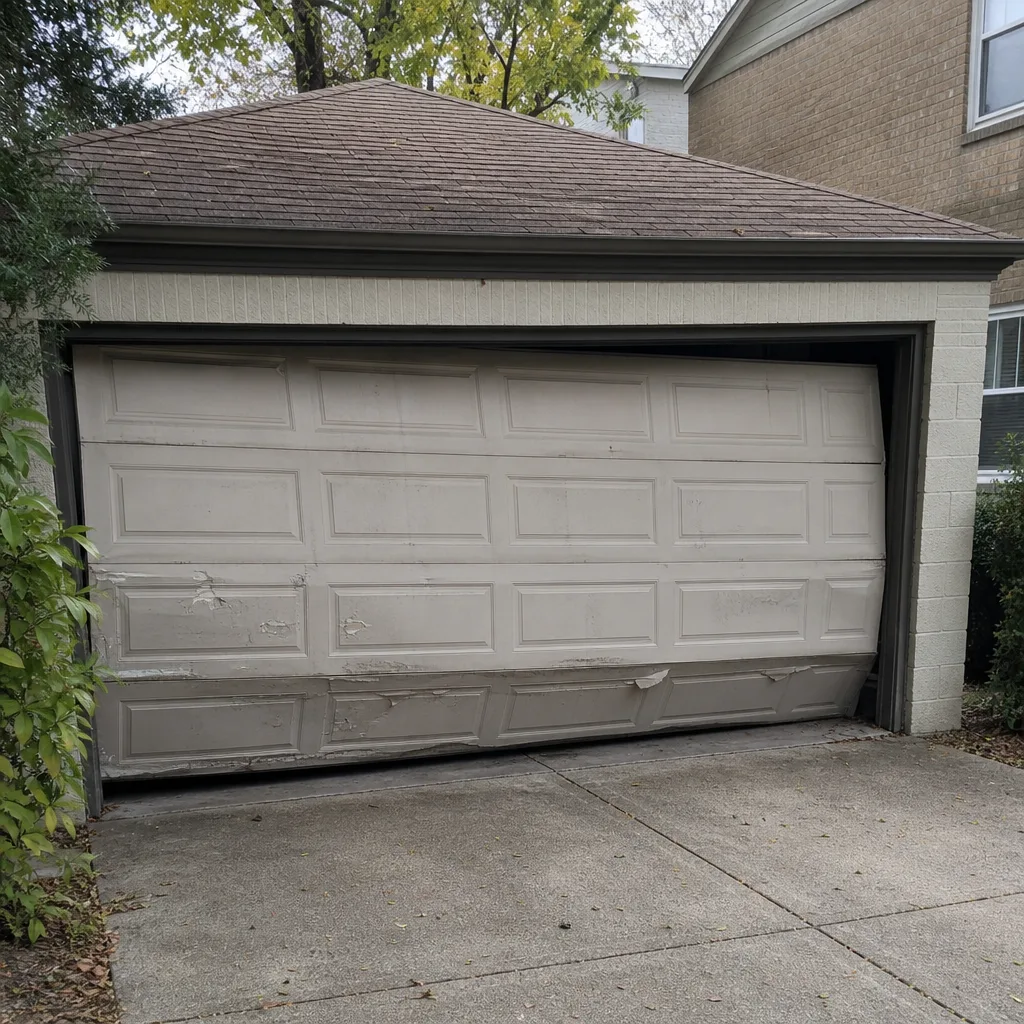 Before
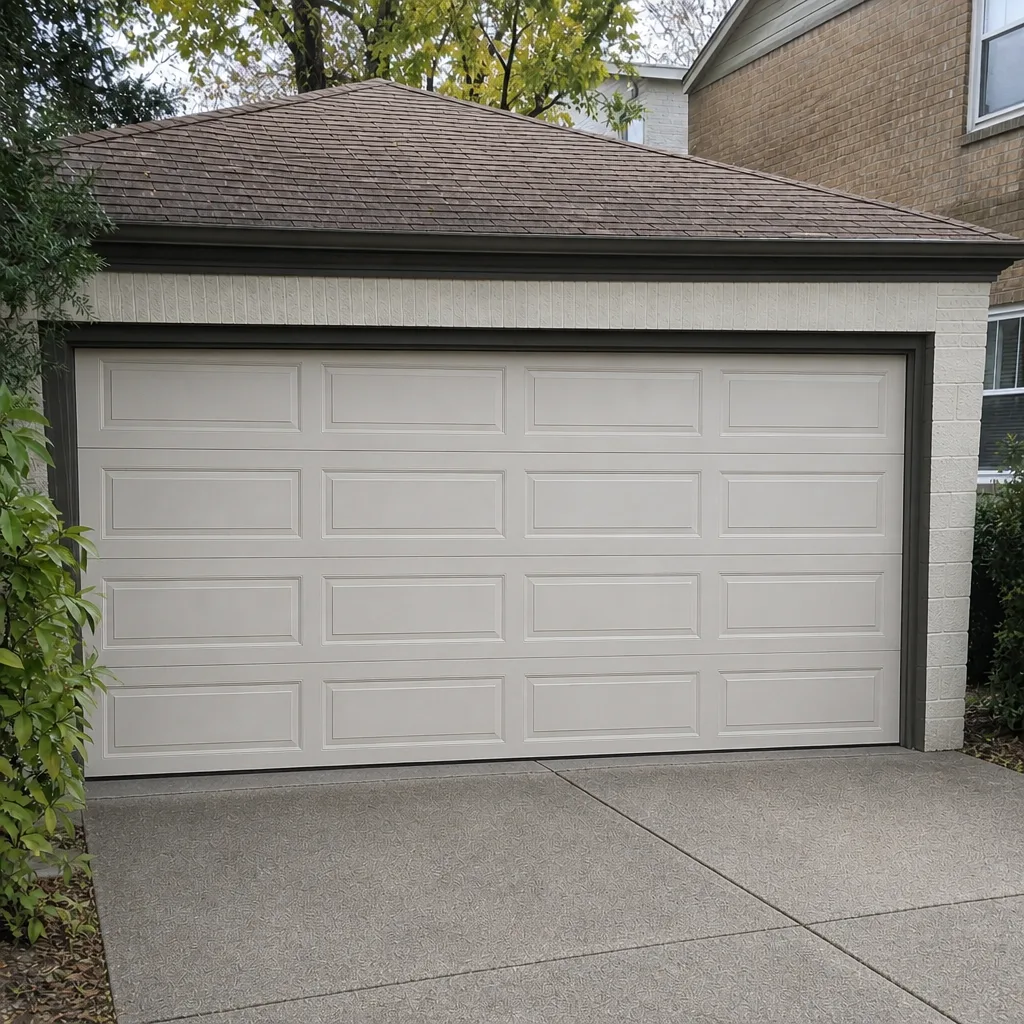 After
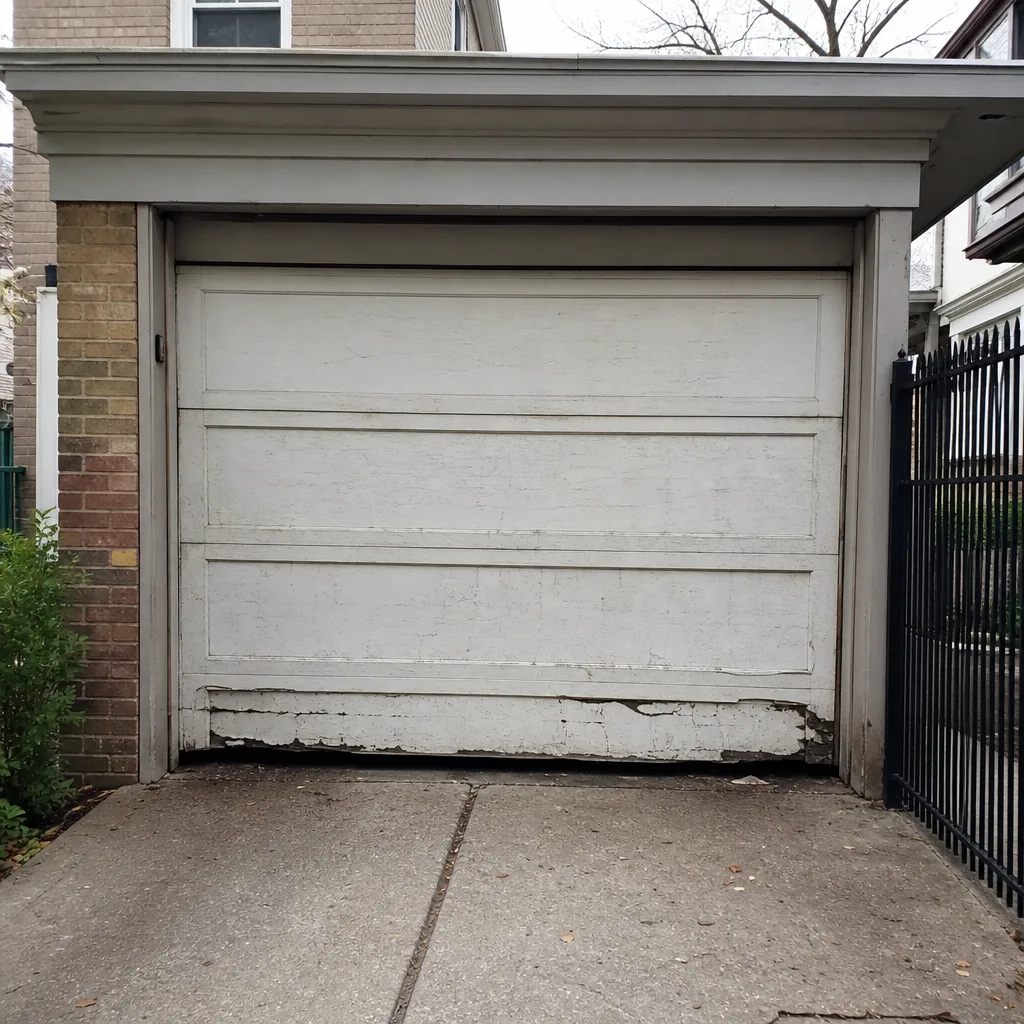 Before
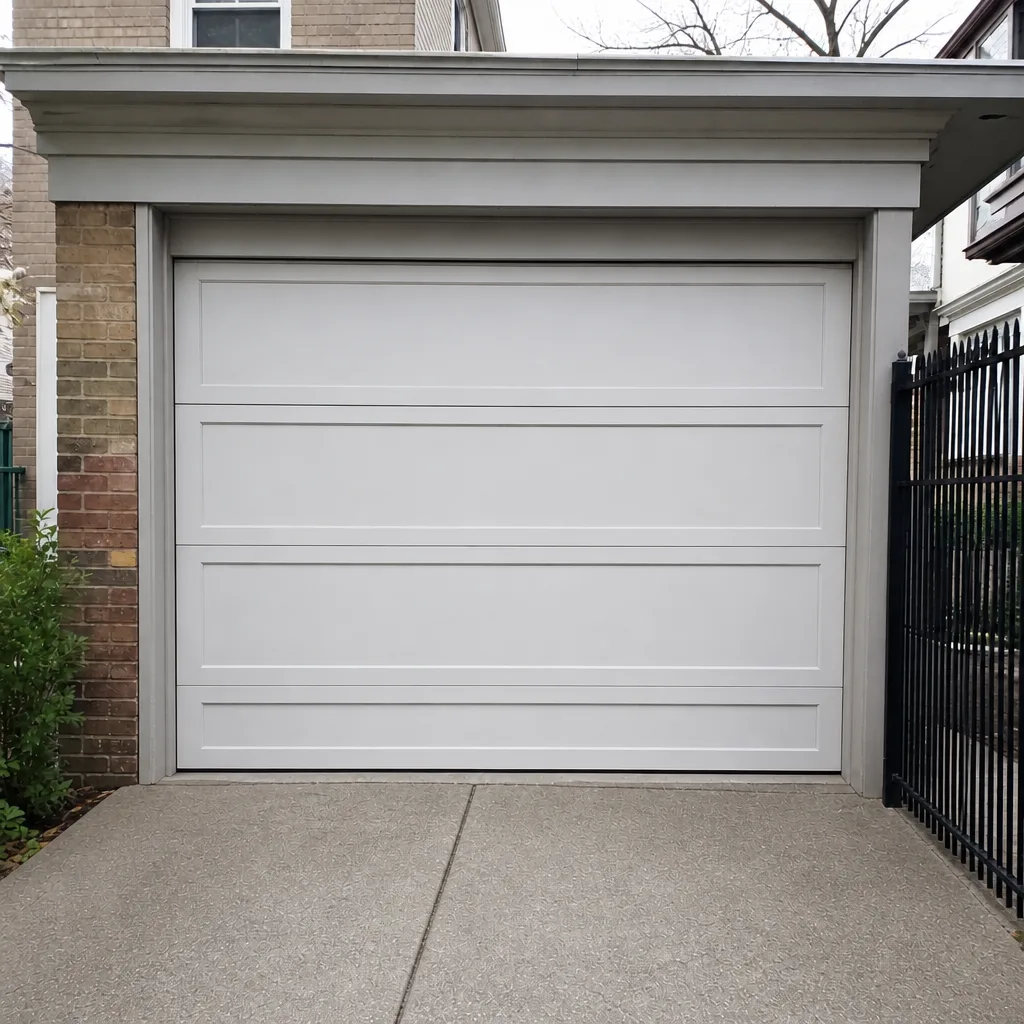 After
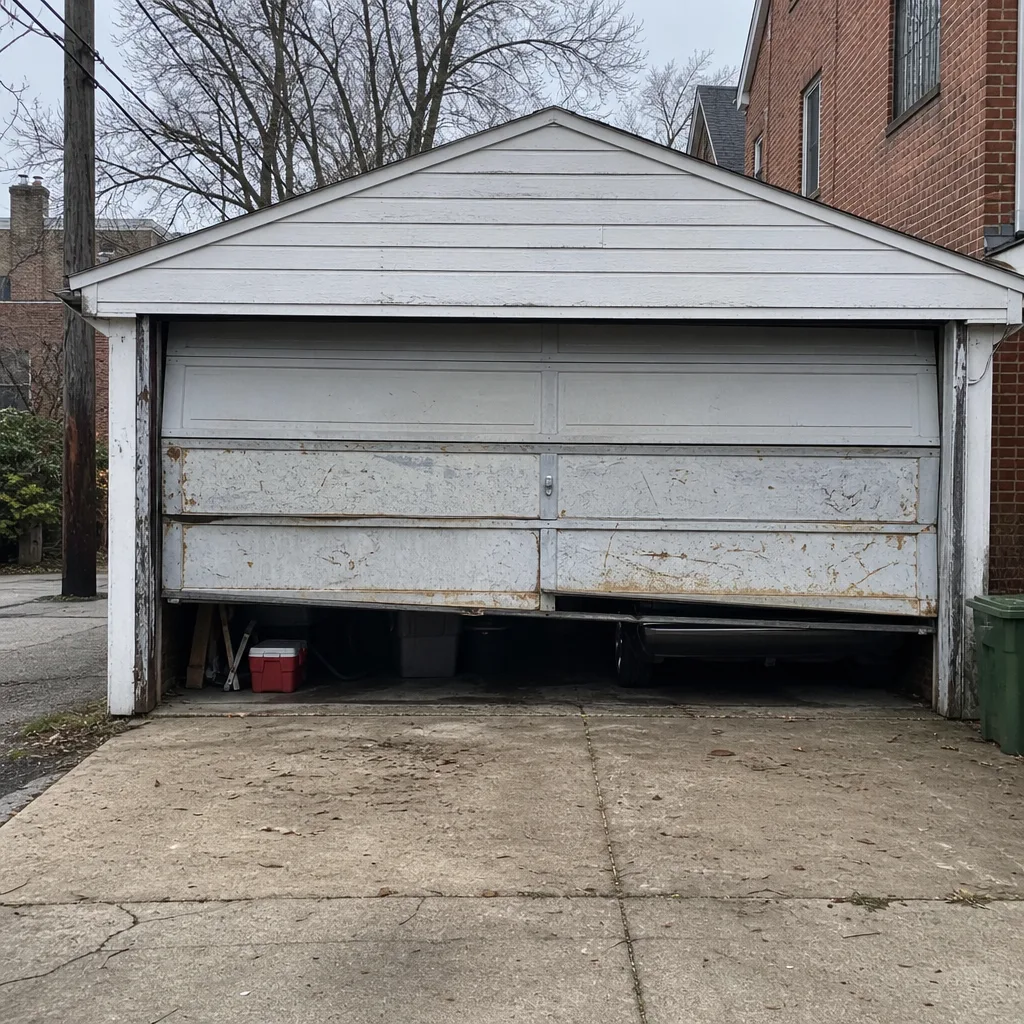 Before
 After
When to Call a Professional
Call a professional if any of the following is true: the spring is broken or you can see a gap in the coil; the door is crooked or off its track; a cable is frayed, hanging loose, or making a new noise; the door reverses unexpectedly and sensor alignment doesn’t fix it; or you’re planning a full replacement and need the permit and installation handled. For everything else – lubrication, seal replacement, sensor adjustment – you’re fine to handle it yourself. Garage Door Repair Lincoln Park offers free estimates in Lincoln Park – call (855) 658-5155. We answer 24/7. Fast dispatch from 7am to 7pm, Sunday through Friday.
Frequently Asked Questions
No. Torsion spring work is high-risk even for trained hands because the spring holds stored energy that can release violently during winding, and a slipped winding bar can cause a serious injury. Cars and doors are replaceable; hands and eyes are not. Call a professional for spring work. Call (855) 658-5155 – estimates are free.
Costs vary with the spring type and door weight, and we quote a written price before any work starts. The written estimate is the price – not a starting point. Call (855) 658-5155 for an exact quote. Estimates are free.
Yes. Chicago requires a permit for a full garage door replacement regardless of who does the work. The permit covers the installation, not the installer’s license, so a DIY replacement still needs one. Check with the city’s building department for the specifics of your block, and we’ll handle the paperwork if you’re using us for installation.
No. We quote the price in writing before any work starts, and the number in the written estimate is what you pay. If we find something the original diagnosis missed, we’ll explain it and get your approval before doing anything that changes the price. Call (855) 658-5155 for a free estimate.
The local professionals we connect you with are licensed and insured as their state requires. Our technicians have up to 12 years of experience across the major brands, including LiftMaster, Chamberlain, and Craftsman, and we work on the brand already in your garage. Call (855) 658-5155 with any questions.
Often, yes. Spring failures are the most common urgent repair we handle, and fast dispatch runs 7am to 7pm, Sunday through Friday. If you call on a Saturday, we’ll book you into Sunday. Call (855) 658-5155. We answer 24/7. Fast dispatch from 7am to 7pm, Sunday through Friday.
The Bottom Line
The DIY-vs-pro question for your Lincoln Park garage door comes down to risk, not skill. Handle the low-stakes maintenance yourself – seals, lubrication, sensor alignment, visual inspections. Call a professional for anything involving springs, cables, tracks, and opener internals, because those involve stored energy that doesn’t respect confidence. Factor in tool cost, secondary damage risk, and the permit requirement on replacements, and the true cost of DIY is usually higher than it looks. The safest split is the middle ground: you keep the door maintained, and a specialist handles the danger. For a free estimate on any repair or installation, call (855) 658-5155.
Written by the team at Garage Door Repair Lincoln Park.