
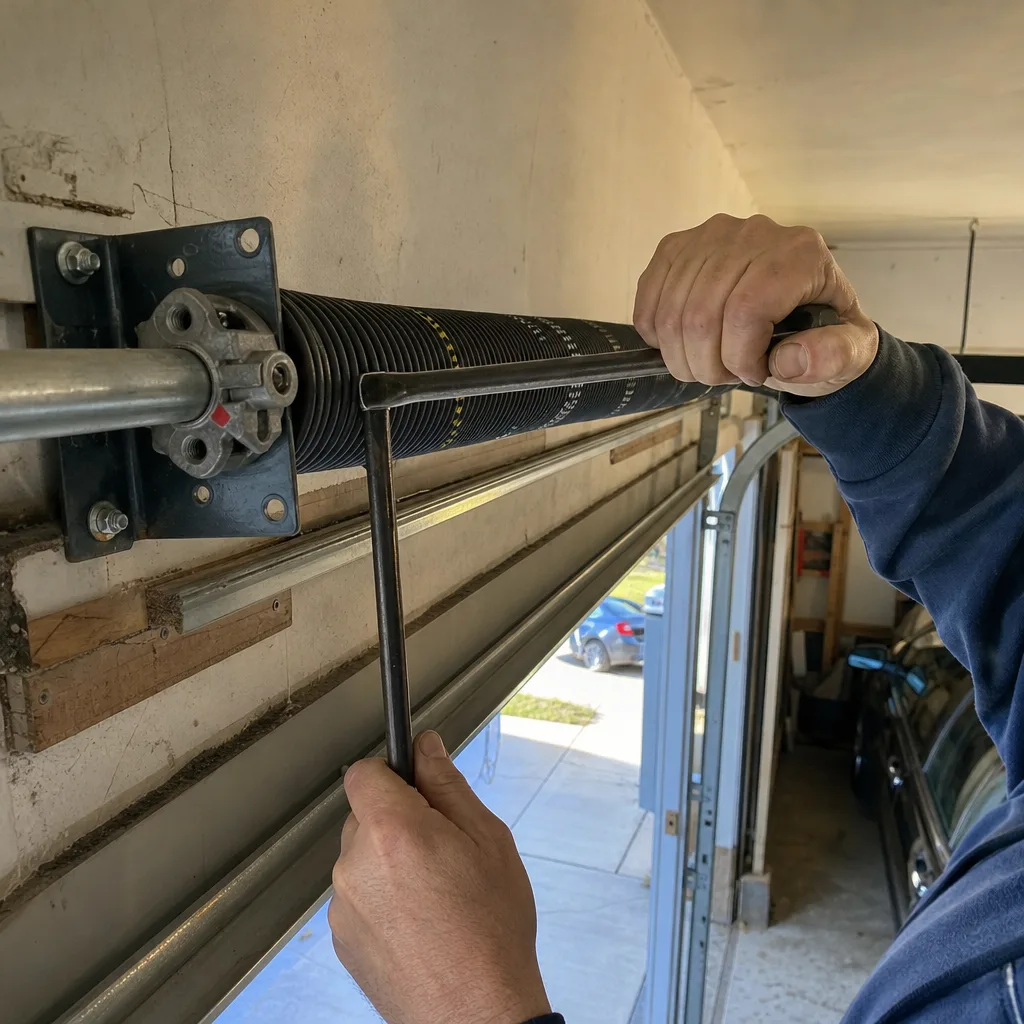
Last updated November 21, 2026
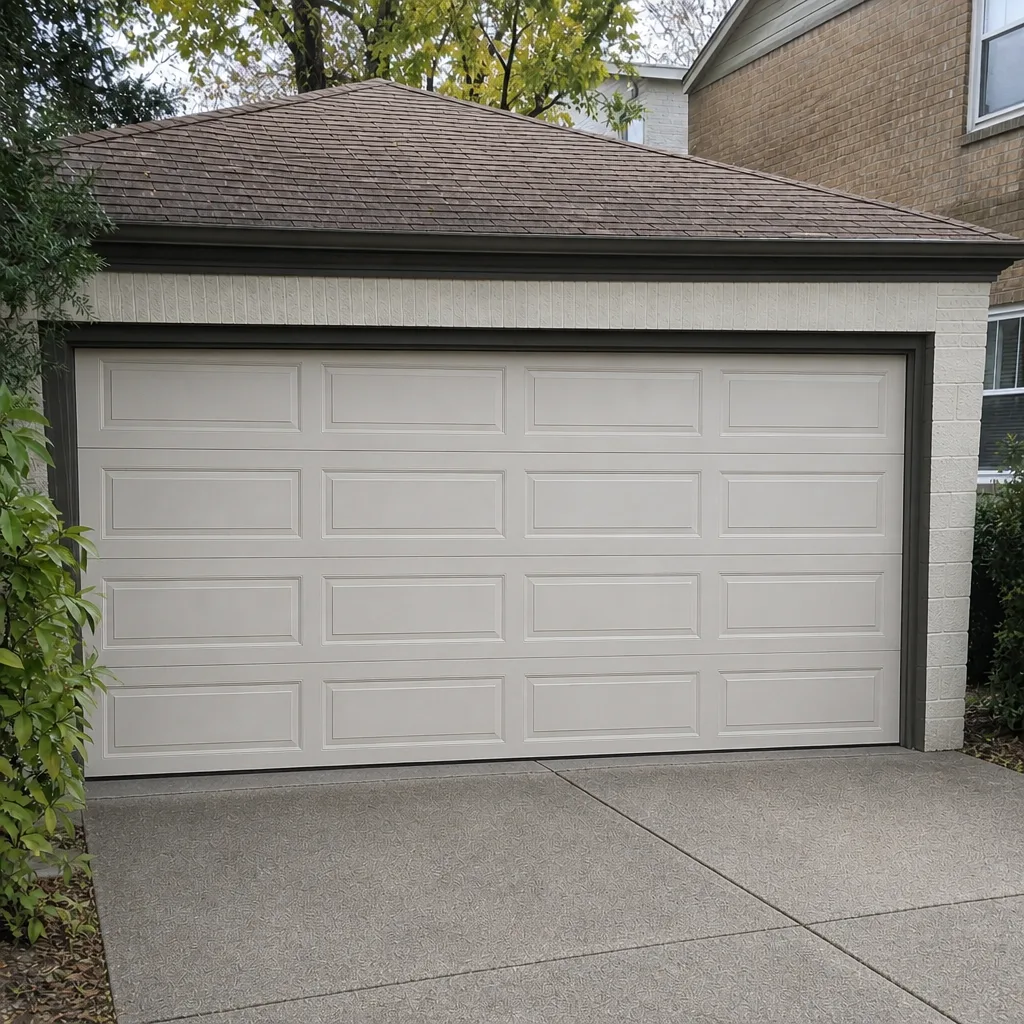
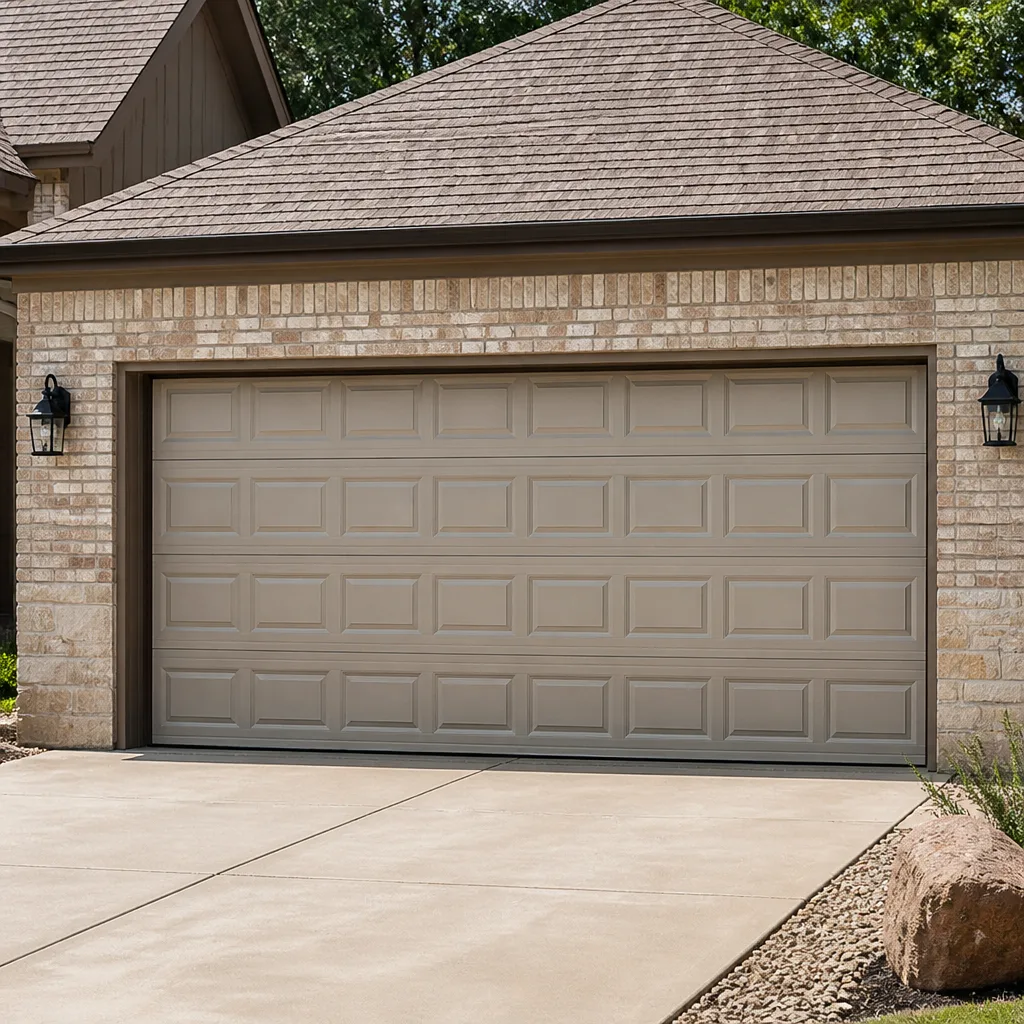 Raised-panel steel
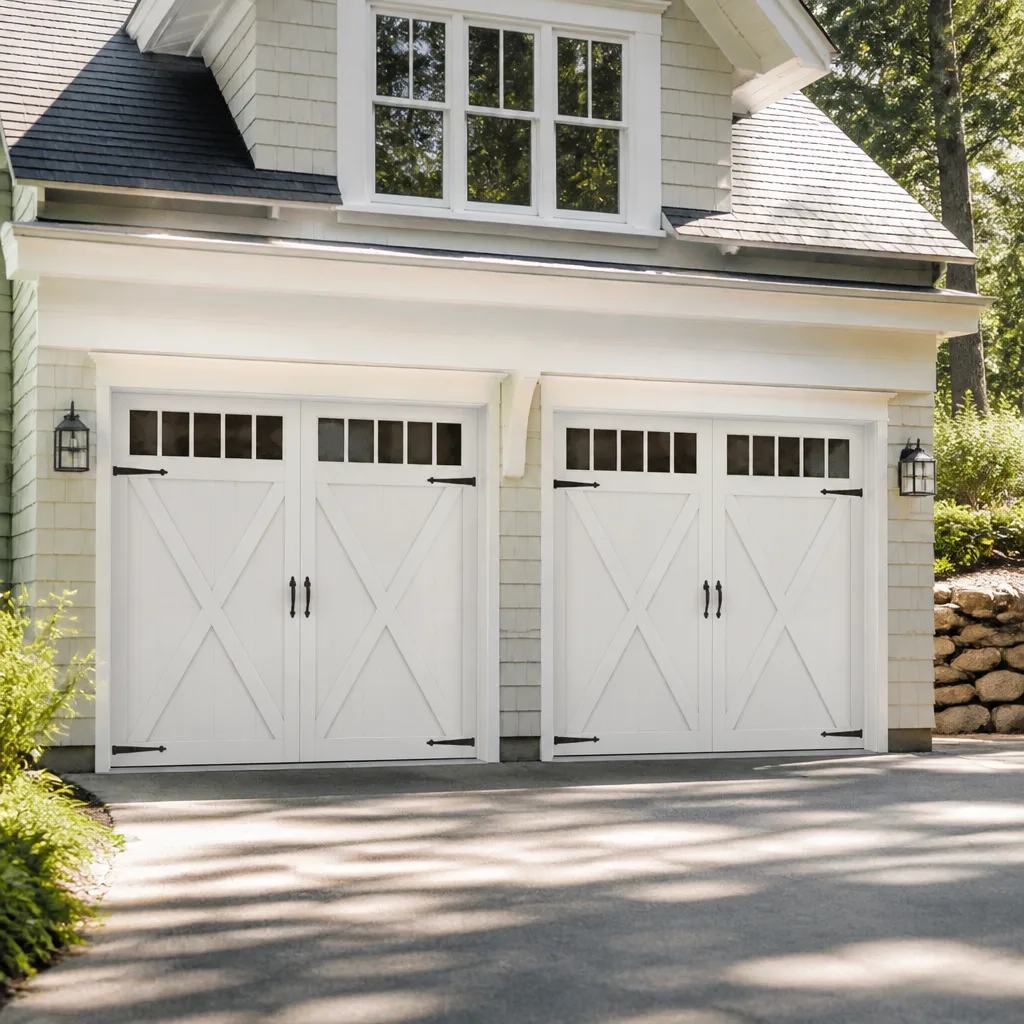 Carriage house
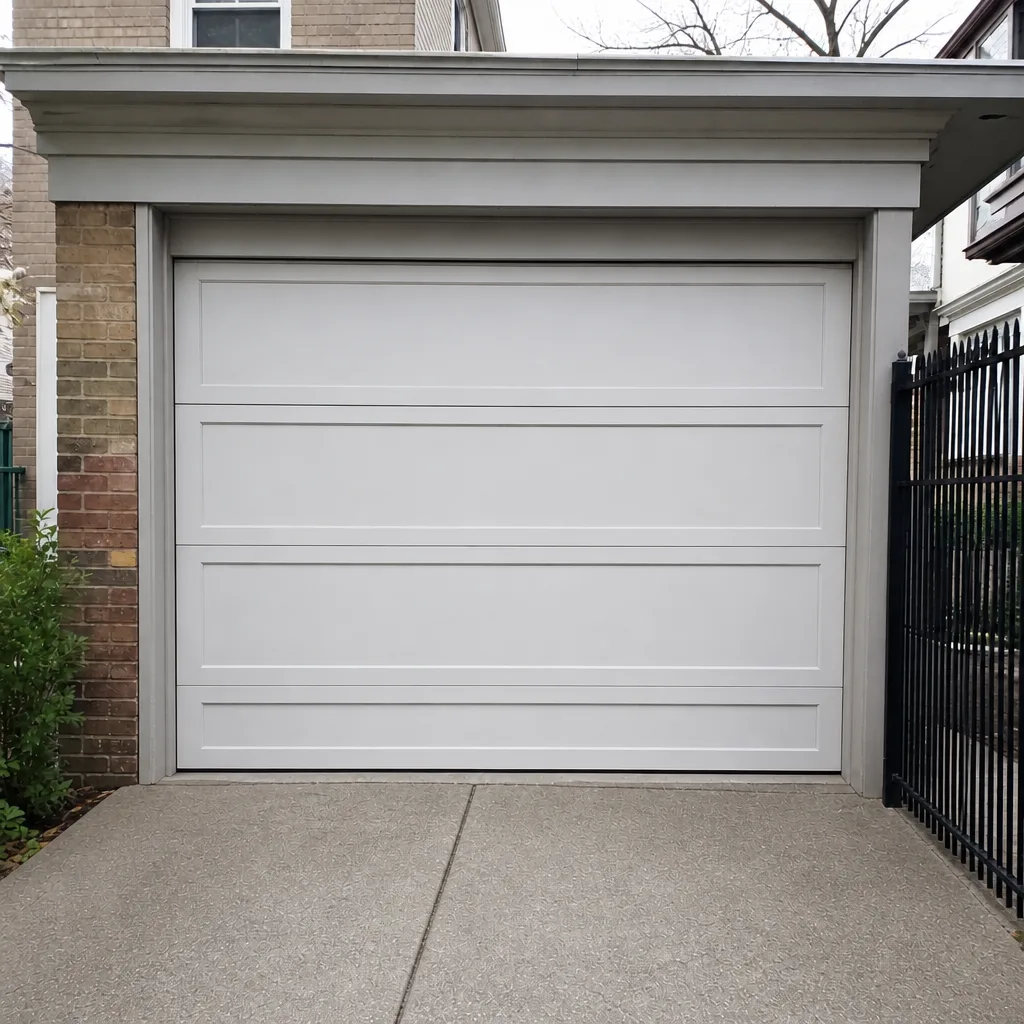
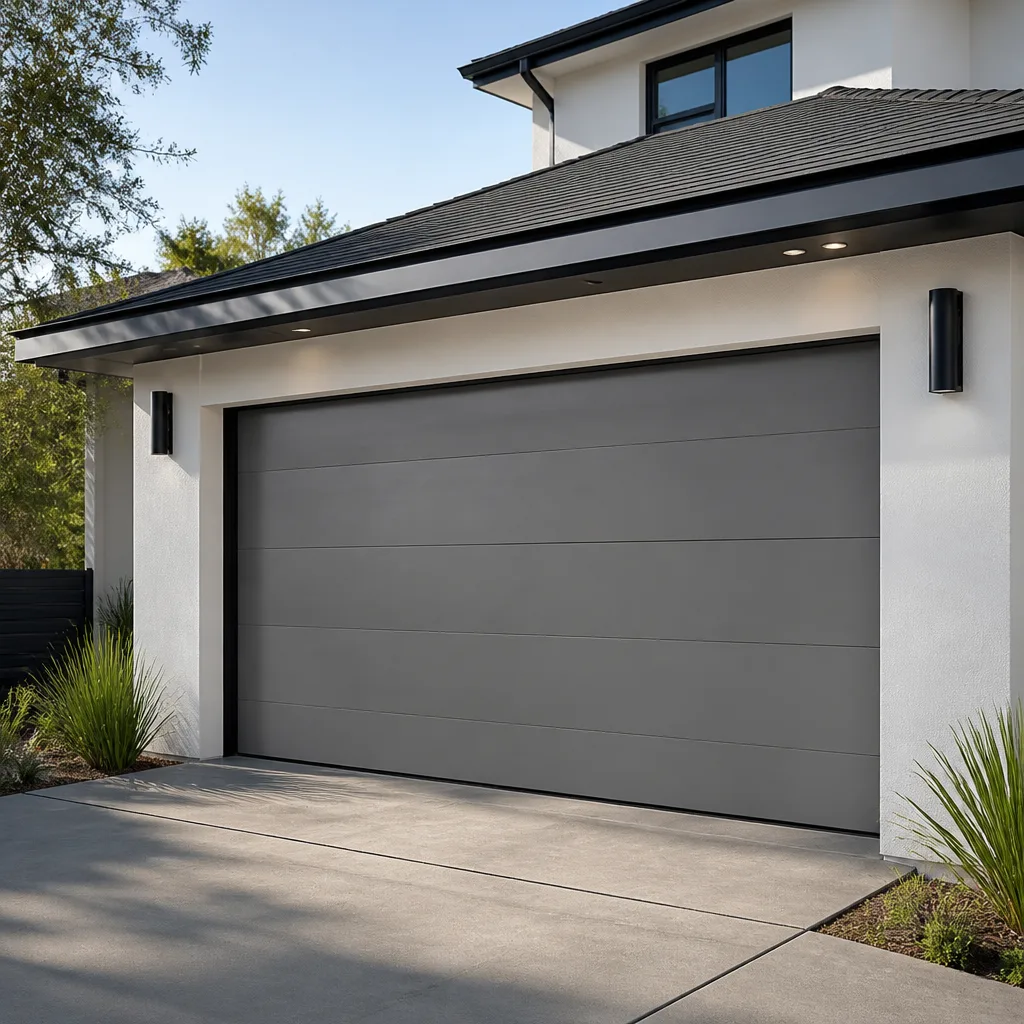 Modern flush
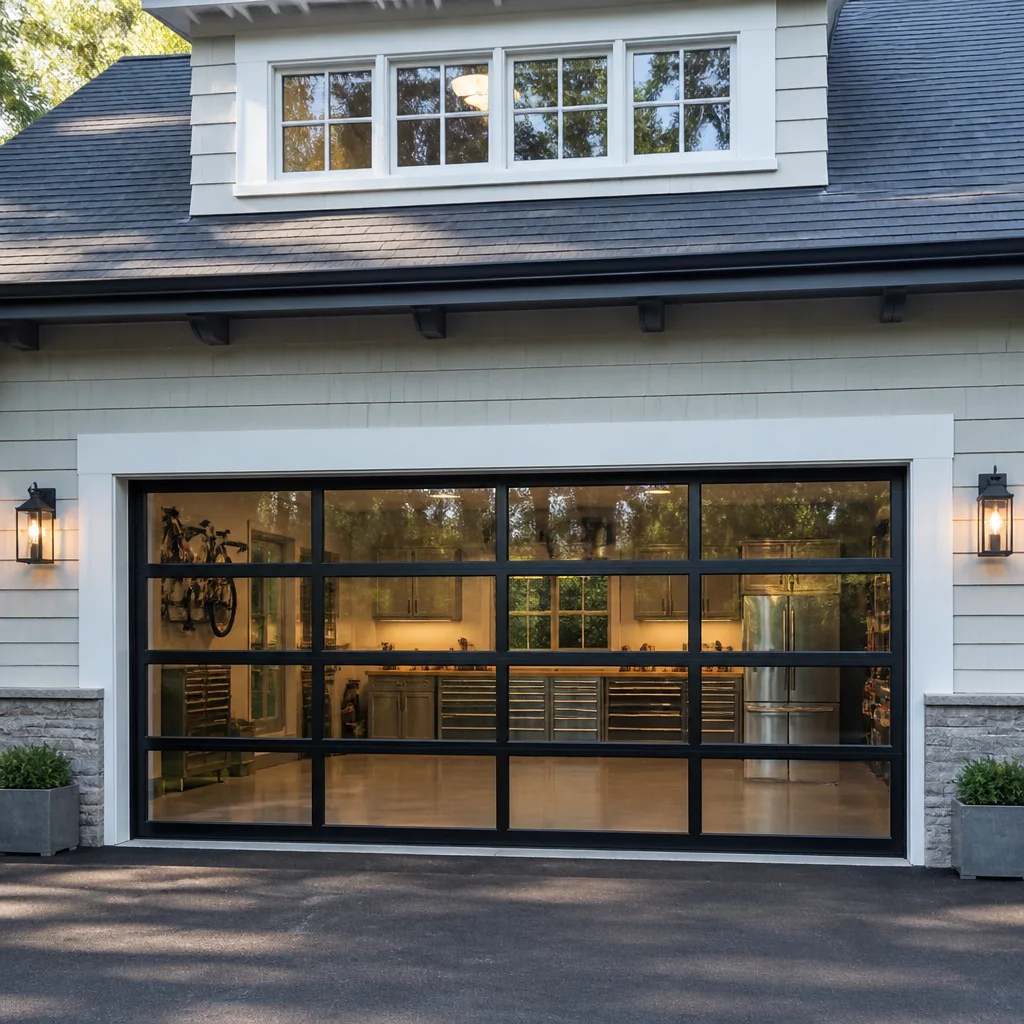 Full-view glass
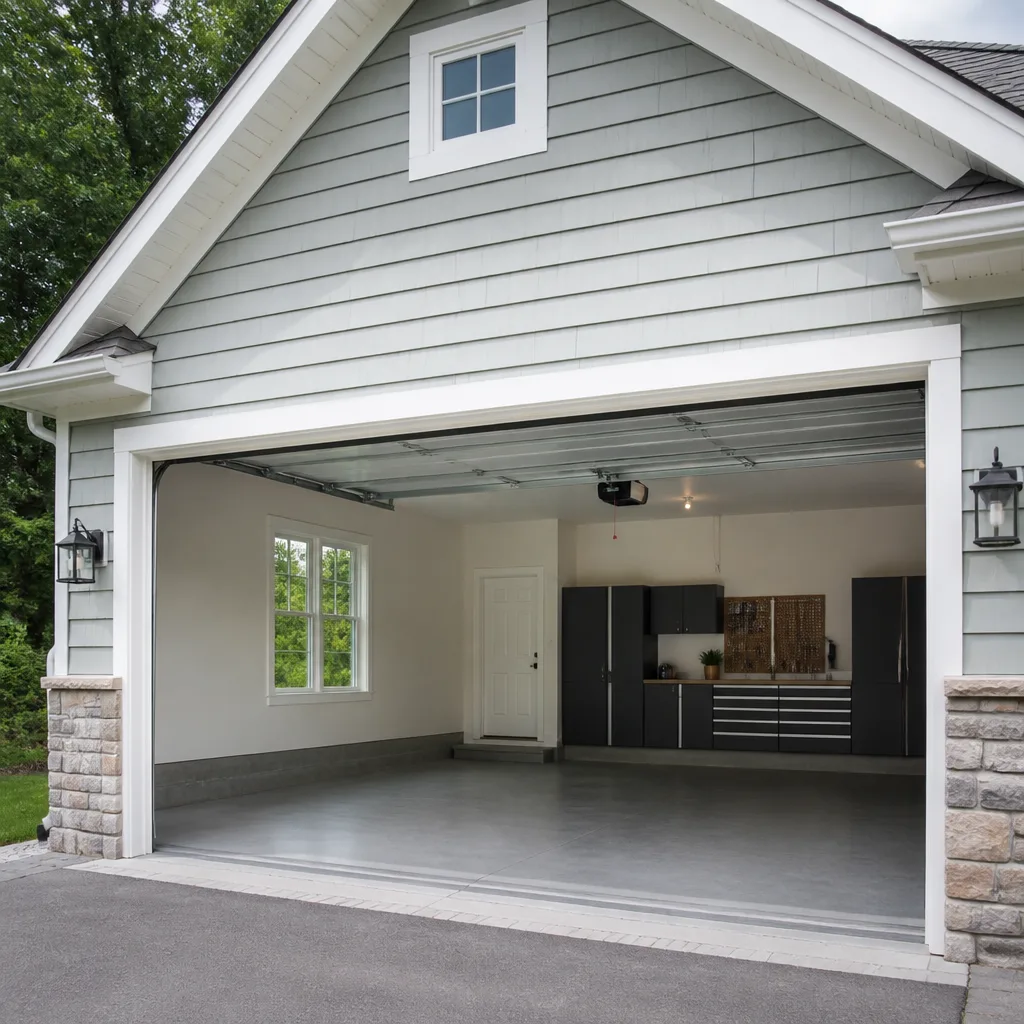 LiftMaster openers
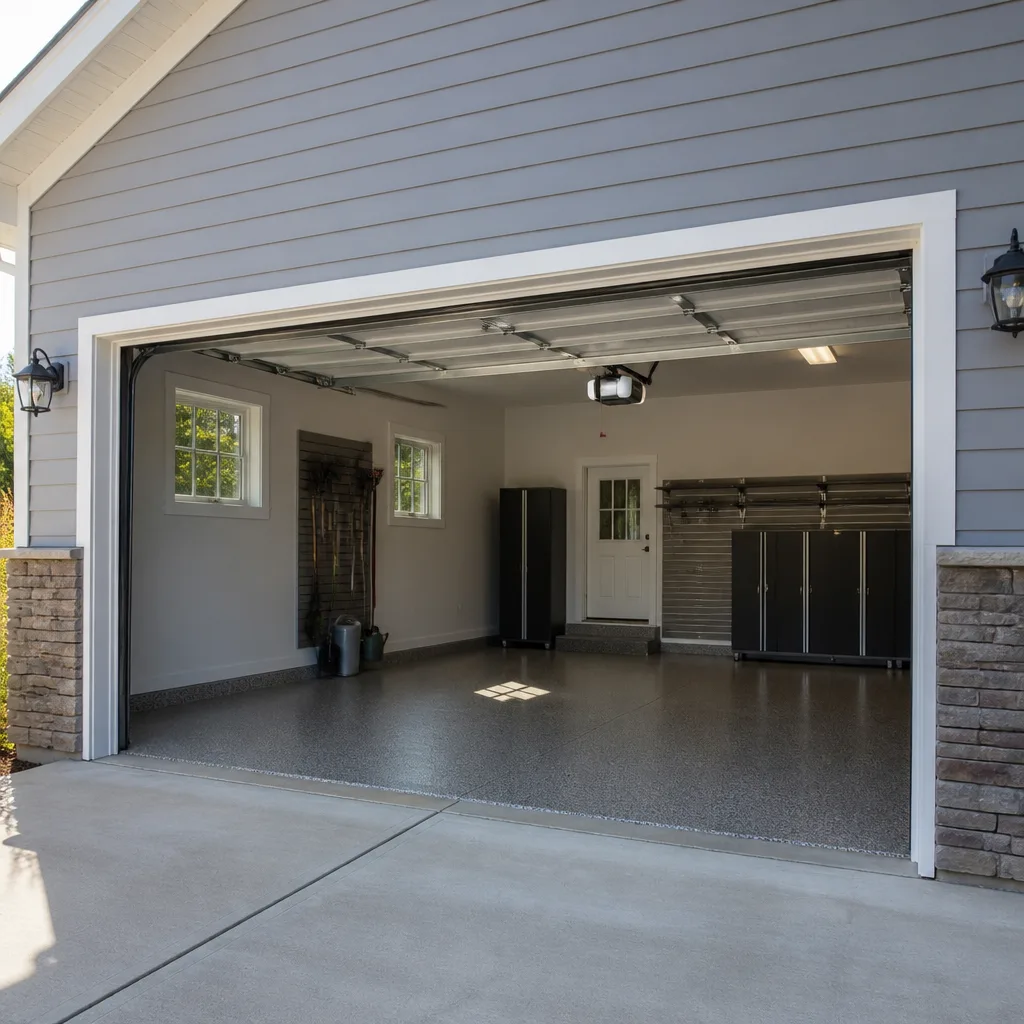 Chamberlain openers
Full 25-point door and opener safety check with every visit - springs, cables, rollers, tracks, and your LiftMaster or Chamberlain opener included
You get a price before we start. It does not change when the pro arrives.
Get your free estimateGarage Door Cost Breakdown: The Lincoln Park Homeowner’s Reference for 2026
National garage door cost averages are close to useless in Lincoln Park. The number you find on a home-improvement site assumes a standard opening, a standard door, and a straight swap with no surprises. Many of the homes here were built before 1960, and a good share of their garages were never designed around a standard 16-by-7 panel. That means a non-standard rough opening can add several hundred dollars to a job before you’ve picked a door, chosen an opener or paid for a permit. This guide walks through real Lincoln Park cost ranges for the door styles that actually show up here, how to read a quote line by line, when custom sizing is worth the money, and where a cheap opener quietly costs you more over five years.
Styles & brands we work with
- Raised-panel steel
- Carriage house
- Modern flush
- Full-view glass
- LiftMaster openers
- Chamberlain openers
Quick Answer
A single-car steel flush door in Lincoln Park typically runs $1,100 to $2,400 installed, a two-car steel door $1,600 to $3,500, a carriage-house overlay $2,800 to $6,500, and a full-view aluminum door $3,200 to $8,000 or more depending on glass and finish. Custom sizing for a pre-1960 opening usually adds $400 to $900. Labor in the Chicago market runs higher than the national figure, and a city permit is a real line item the homeowner carries. Every number here is a typical range: your written estimate sets the final price, quoted and agreed before any work starts.
Table of Contents
- Why National Garage Door Averages Don’t Fit Lincoln Park
- What the Common Door Types Cost in Lincoln Park
- What a Legitimate Quote Should Itemize, Line by Line
- Custom Sizing vs. Standard Sizes: When Each Makes Sense
- Matching the Opener to the Door: The Five-Year Math
- How to Read a Quote for Missing Line Items
- Chicago-Market Labor Rates and Why They Differ
- How Lincoln Park Weather and Housing Shape the Cost
- Common Mistakes to Avoid
- When to Call a Professional
- Frequently Asked Questions
- The Bottom Line
Why National Garage Door Averages Don’t Fit Lincoln Park
Most national cost guides pull a median from a huge pool of jobs across the country. That median assumes a roughly standard opening, a simple removal and install, and a homeowner who isn’t dealing with a Chicago permit. Lincoln Park sits at the intersection of three cost drivers most of those guides don’t touch. First, the age of the housing stock: a large share of homes here went up before 1960, and the garages attached to them were often built to whatever dimensions made sense for the lot. Second, the permit. The City of Chicago requires a permit for garage door replacement, and that fee is a genuine line item the homeowner pays. Third, the parts picture: older Clopay and Wayne Dalton installs dominate many blocks in Lincoln Park, and getting the right replacement hardware for a system that’s been in place for decades is a sourcing question, not a shelf-grab.
We work on the brand already in your garage, and that matter turns out to be a cost factor, not just a convenience one. A technician who knows Raynor’s proprietary parts or a specific LiftMaster opener line doesn’t spend billable time reverse-engineering a mechanism they’ve never touched. That difference doesn’t show up as a line item on a quote, but it shapes how long a job takes and how many trips it needs.
What “typical” actually means in this guide
Every range in this guide is a typical estimate for the Lincoln Park market, put together from how jobs here normally run. None of it is a fixed price, and none of it replaces a written estimate. Expect your own quote to land somewhere in range, sometimes at the top and occasionally above it if the opening is unusual or the old door’s removal is more involved than it looks. The written quote is the price, and we don’t start work until you’ve agreed to it.
What the Common Door Types Cost in Lincoln Park
Three door styles cover most of what we quote in Lincoln Park: steel flush (the flat-panel workhorse), carriage-house overlay (the decorative style that mimics old swing-door carriage houses), and full-view aluminum (glass panels in an aluminum frame, often used on modern rebuilds and rear additions). Here’s how the installed ranges break down, with the door, standard hardware and labor included:
| Door Type | Single Car (8-9 ft wide) | Two Car (16 ft wide) | Notes |
|---|---|---|---|
| Steel flush, insulated | $1,100 – $2,400 | $1,600 – $3,500 | Most common replacement here; standard sizes usually available |
| Steel flush, non-insulated | $850 – $1,700 | $1,300 – $2,600 | Often chosen for detached garages |
| Carriage-house overlay | $2,800 – $4,800 | $3,600 – $6,500 | Popular on streets with older brick and stucco facades |
| Full-view aluminum | $3,200 – $5,500 | $4,800 – $8,000+ | Glass and finish drive the spread |
Two things shift these numbers in Lincoln Park specifically. The first is the opening itself: if it’s non-standard, add $400 to $900 for a custom-built door or the framing work needed to fit a standard one. The second is the permit. The city requires one for a replacement, and while the fee is modest in the context of the whole job, it belongs in the estimate. A quote that omits it isn’t a cheaper quote; it’s an incomplete one.
Where the money actually goes
On a typical steel replacement, the door itself is the biggest share, the labor the next, and the opener (if you’re replacing it too) a much smaller line. On a carriage-house or full-view job, the door dominates even more because the materials and finish carry the cost. If you’re moving from a plain steel door to a carriage-house style on the front of the house, the price difference is mostly materials, not labor.
What a Legitimate Quote Should Itemize, Line by Line
A quote you can trust reads like a packing list. Every part of the job appears on it, and anything that isn’t on it is a question worth asking before you sign. Here’s what a complete written estimate for a garage door replacement should show:
- The door itself, by model and size. Not “steel door” but the actual width, height, panel style and insulation value.
- Hardware and springs, named. Torsion springs for a heavy door are a different part than the lighter springs on a basic single-car door.
- Opener, if it’s being replaced, with the specific model and whether it’s sized for the door’s weight.
- Track and hinges if they’re not reusable. On older jobs the old track often isn’t.
- Haul-away of the old door and the old springs. Disposal of a torsion spring assembly isn’t a free drop in a dumpster.
- Permit, listed separately so you know what you’re paying the city.
- Labor, as its own line or folded into the door price, but accounted for either way.
If any of those items is missing, ask where it goes. The answer tells you a lot. Sometimes it’s genuinely included and just not spelled out. Sometimes it isn’t included and it will surface later as an “extra.” The difference between those two answers is the difference between a quote and a moving target.
Custom Sizing vs. Standard Sizes: When Each Makes Sense
A non-standard rough opening doesn’t automatically mean a custom door. Plenty of older openings in Lincoln Park can be brought to a standard size with framing work, and that framing work is often cheaper than a custom-built door. The trade-off comes down to how far off the opening is and how much you want to disturb the existing wall.
When standard sizes cover the gap
If the opening is close to a standard 8-by-7 (single) or 16-by-7 (double), minor framing usually closes the difference. That framing work realistically runs a few hundred dollars – less than the premium on a fully custom door. It’s the option we look at first on a replacement, because a standard-size door is easier to source and easier to service later, and the hardware for it is never a special order.
When custom is the right call
If the opening is significantly off-standard, or the wall is finished in a way that makes reframing expensive (brick or stucco facades on older homes near the park), a custom-built door can actually be the cleaner, cheaper path. That’s where the $400 to $900 custom premium shows up. When you’re comparing a custom door against a reframed opening plus finish repair, the custom option sometimes wins. A measure visit tells you which side of that line you’re on before you commit.
Matching the Opener to the Door: The Five-Year Math
Here’s a mistake that shows up constantly: a homeowner replaces a heavy carriage-house or insulated door and puts the old light-duty opener back, or buys the cheapest new opener on the shelf. It works for a while. Then it starts straining, the motor runs hot, the travel settings drift, and within a few years you’re paying for opener repair or a premature replacement on top of what you already spent on the door. A cheap opener isn’t cheaper if it fails two years early.
The correctly-spec’d opener costs more up front – a modest premium on the total job – but it’s sized for the door’s weight and it lasts. Over five years, the math usually favors the right opener: less repair, less strain on the door’s springs, fewer emergency calls. We work with LiftMaster, Chamberlain and Genie systems, and matching the opener to the door’s weight is the first thing we check on any opener replacement. It’s part of why garage door opener repair is a different conversation on a heavy door than a light one: the diagnosis often comes back to a motor that was never right for what it’s lifting.
A quick check on any opener quote
- Is the opener model rated for the weight of the door, or just “a garage door opener”?
- Does the quote say whether the old opener stays or is replaced?
- Is the safety reverse tested and confirmed in writing?
- Is a battery backup included if the door is the primary way in and out of the garage?
How to Read a Quote for Missing Line Items
The single most useful skill in shopping a garage door job is reading the quote like a checklist. A legitimate estimate should tell you, without you having to ask, what’s included and what isn’t. Here’s how to spot the gaps before they become extras:
- Look for the door size and model. “Steel door” alone is not a line item; it’s a placeholder.
- Find the permit. The City of Chicago requires one for replacement. If it’s not listed, ask whether it’s included or billed separately.
- Check haul-away and old-spring disposal. These are real costs. A quote that doesn’t mention them is either absorbing them or hiding them.
- Confirm whether the opener is in scope. If it’s not mentioned, assume it isn’t included and ask for a separate line.
- Ask about track and hinges. If the old ones aren’t reusable, that’s an extra unless it’s already quoted.
- Get the written total before any work starts. The price you agree to is the price.
When a quote is short on detail, it isn’t always a bad sign. Sometimes it’s a busy shop being terse. But you’re entitled to ask, and a shop that knows its trade can answer every one of those points without hesitation. That’s the whole reason to work with a garage door specialist rather than a generalist: the quote is specific because the work is all they do.
Chicago-Market Labor Rates and Why They Differ
Chicago labor runs higher than the national average for skilled trades, and garage door work is no exception. The reasons are boring and real: cost of living, the permit and inspection process, and the fact that skilled trade labor in a dense city costs more to deploy than it does in a rural or suburban market. When you see a national cost guide quote a labor figure, mentally adjust it up for anything done in Lincoln Park.
That’s also why an estimate from a specialist tends to be tighter than one from a generalist. A specialist isn’t budgeting for the chance that the job turns out to be something they don’t do every week. With us, every hour is invested in one trade, which means the labor line reflects garage door work and nothing else. Our technicians have up to 12 years of experience, and that experience is what keeps a typical replacement to a predictable number of hours rather than an open-ended one.
How Lincoln Park Weather and Housing Shape the Cost
Lincoln Park gets cold, wet winters and humid summers, and both put stress on a garage door system. The freeze-thaw cycle works on springs and hinges; humidity works on steel and on the wood framing around older openings. A door that’s well insulated and properly sealed holds up better season to season than a thin non-insulated one, which is worth factoring into the price comparison. The insulated door costs more up front; it also tends to need less spring and hardware attention over the years.
The housing stock matters just as much. Older homes in Lincoln Park often have detached garages with openings that were built to whatever the lot allowed, and the parts on those doors are sometimes decades old. When we measure one of these, the job usually comes down to a choice between reframing to standard or a custom door, and that’s the fork that decides the final number. A measure visit answers it. On a replacement job we don’t promise same-day service, because the door has to be measured, ordered and scheduled; what we promise is a free measure and a written price.
Common Mistakes to Avoid
- Comparing a national average to a Lincoln Park quote. A national figure assumes a standard opening and no permit. Your quote won’t, so stop at the door price only after you’ve accounted for customs sizing and permit.
- Choosing the cheapest opener for a heavy door. A bargain opener on a carriage-house or insulated door strains, drifts and fails early. The correctly-spec’d opener costs less over five years.
- Signing a quote that doesn’t mention the permit. Chicago requires one for replacement. If it’s not on the quote, it’ll turn up on the final invoice.
- Forgetting haul-away and old-spring disposal. Both are real costs. A quote that skips them is incomplete, not generous.
- Assuming a non-standard opening means a custom door. Standard sizes with a little framing work often cover the gap for less than a custom build.
- Hiring a generalist to save a little on labor. A door that’s out of balance or a spring that’s wrongly replaced costs more to fix than the savings. Springs are dangerous. This is exactly the work we do.
- Ignoring the old track and hinges. On a decades-old Lincoln Park garage, they often aren’t reusable, and that’s a line item a vague quote will miss.
When to Call a Professional
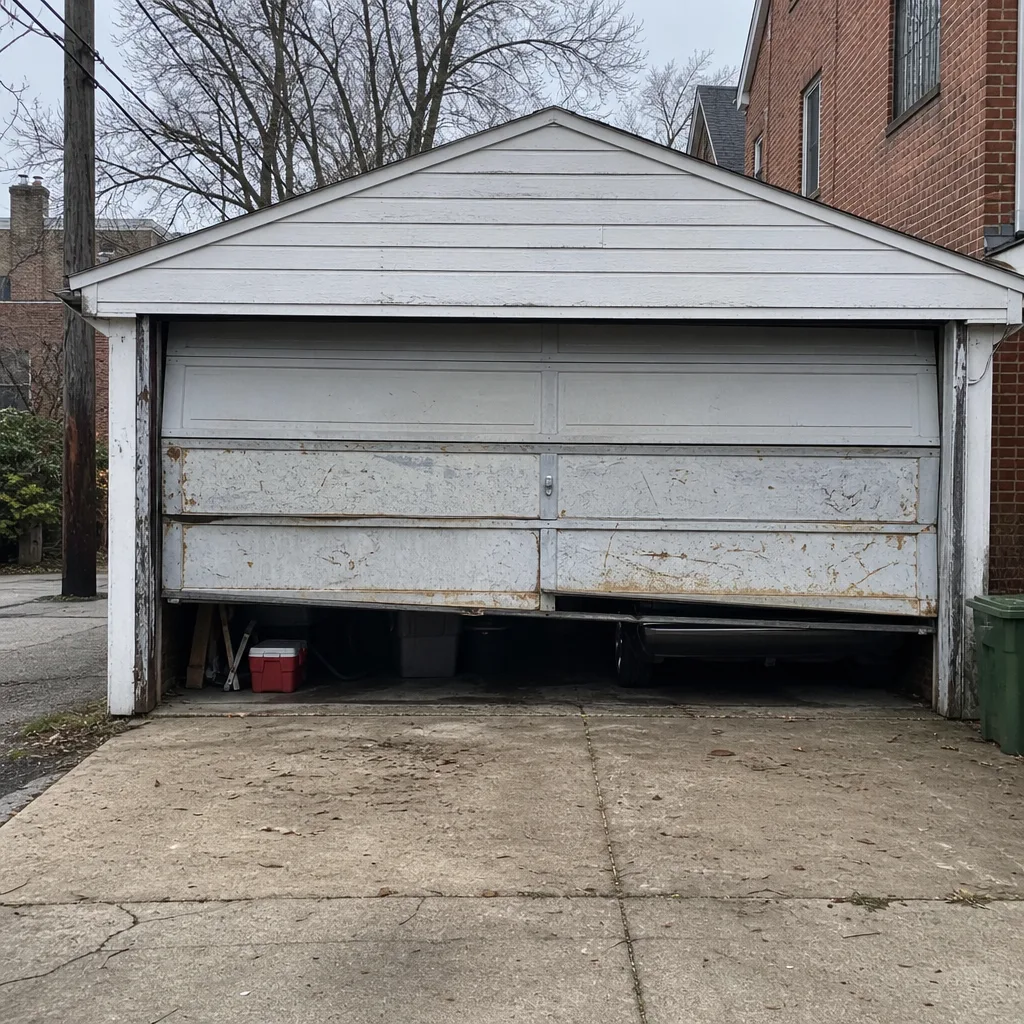
Some jobs on a garage door are genuinely not for a homeowner. Torsion springs and the cables under tension are the clearest example: they store enormous energy, and the injury risk is real and serious. If a spring is broken, a cable is frayed, or a door is hanging unevenly off its track, stop and call a trained technician. The same goes for electrical work on an opener and any panel replacement that involves structural framing. On the installation side, if you’re weighing a replacement and want a real number instead of a national average, the first step is a measure and a written estimate. Garage door installation in Lincoln Park starts with that measure, and the price is agreed before any work starts. Garage Door Repair Lincoln Park offers free estimates in Lincoln Park – call (855) 658-5155.
Frequently Asked Questions
A single-car steel door typically runs $1,100 to $2,400 installed and a two-car $1,600 to $3,500, with carriage-house styles $2,800 to $6,500 and full-view aluminum $3,200 to $8,000 or more. Custom sizing for an older opening can add $400 to $900, and the Chicago permit is a separate line. Call (855) 658-5155 for an exact quote – estimates are free.
Yes, the City of Chicago requires a permit for garage door replacement, and the fee is something the homeowner carries. It should appear as a distinct line on your estimate, and if it isn’t there, ask whether it’s included or billed separately. Confirm the current fee and process with the city’s building department before you commit.
Three reasons: older housing stock with non-standard openings that need custom sizing or framing work, the Chicago permit requirement, and labor rates in the Chicago market that run above the national figure. None of those are padding – they’re the real cost of doing the job here. A quote built on a national average simply doesn’t account for them.
Not always. If the opening is close to standard, minor framing work is usually cheaper than a custom door. But if the opening is far off-standard or the wall is brick or stucco that makes reframing costly, a custom-built door can be the cleaner and sometimes cheaper path. A measure visit tells you which side you’re on.
For repairs, often yes. We answer 24/7, with fast dispatch from 7am to 7pm, Sunday through Friday. We’re closed on Saturday, and a call outside dispatch hours gets booked into the next opening. For a replacement, the job is measured, ordered and scheduled rather than done same day. Call (855) 658-5155 for an exact quote – estimates are free.
No. The price is set per job by the written estimate, quoted and agreed before any work starts. That’s the whole point of a line-item quote: if it’s on the quote, it’s in the price, and if something’s missing you ask about it up front. Call (855) 658-5155 for your free estimate.
The Bottom Line
The number that matters in Lincoln Park isn’t the national average; it’s the line-item quote for your specific opening, door choice and permit. A steel flush door usually lands between $1,100 and $3,500 depending on size, carriage-house styles run $2,800 to $6,500, and custom sizing for an older opening adds $400 to $900. Read every quote as a checklist, confirm the permit, haul-away and opener line, and match the opener to the door’s weight. Every figure here is a typical estimate; the written quote is the price, and it’s agreed before work starts.
If you’re ready for a real number on your Lincoln Park garage door, we can measure and quote it. We work on the brands already in the neighborhood’s garages – Clopay, Wayne Dalton, Raynor, LiftMaster and more – and the work is garage doors only. Call (855) 658-5155 for a free estimate. We answer 24/7. Fast dispatch from 7am to 7pm, Sunday through Friday. For the repair side, start with garage door repair, and for the full picture of our work see Garage Door Repair Lincoln Park.
Written by the team at Garage Door Repair Lincoln Park.
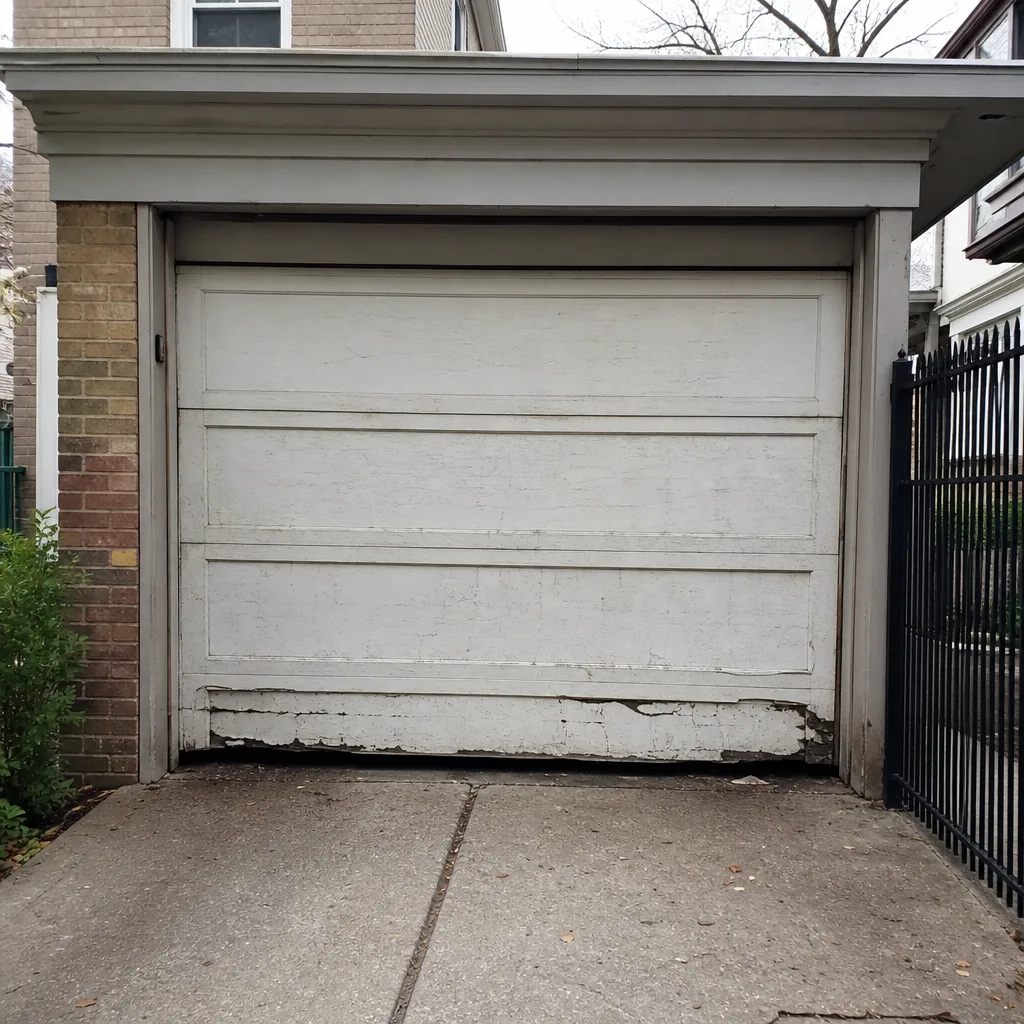
See the difference
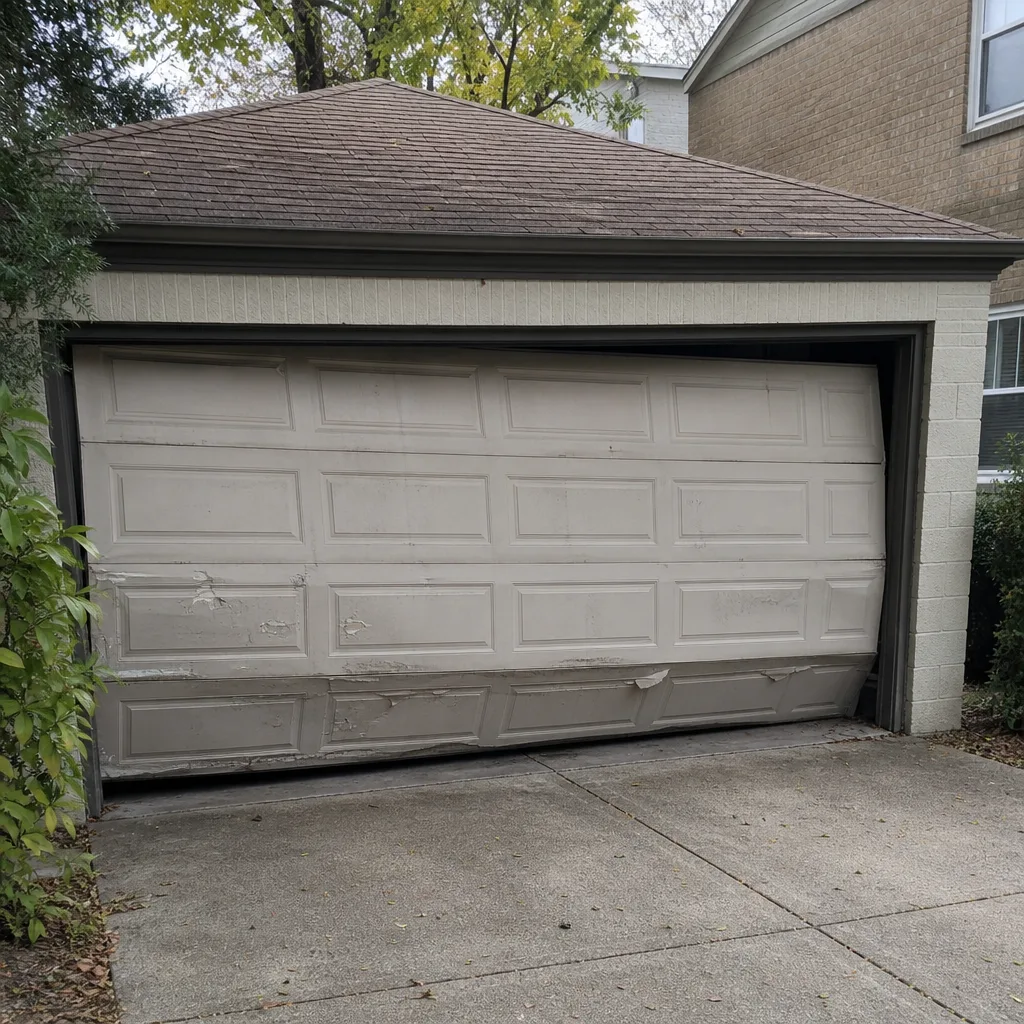 Before
 After
 Before
 After
 Before
 After