
Last updated November 21, 2026
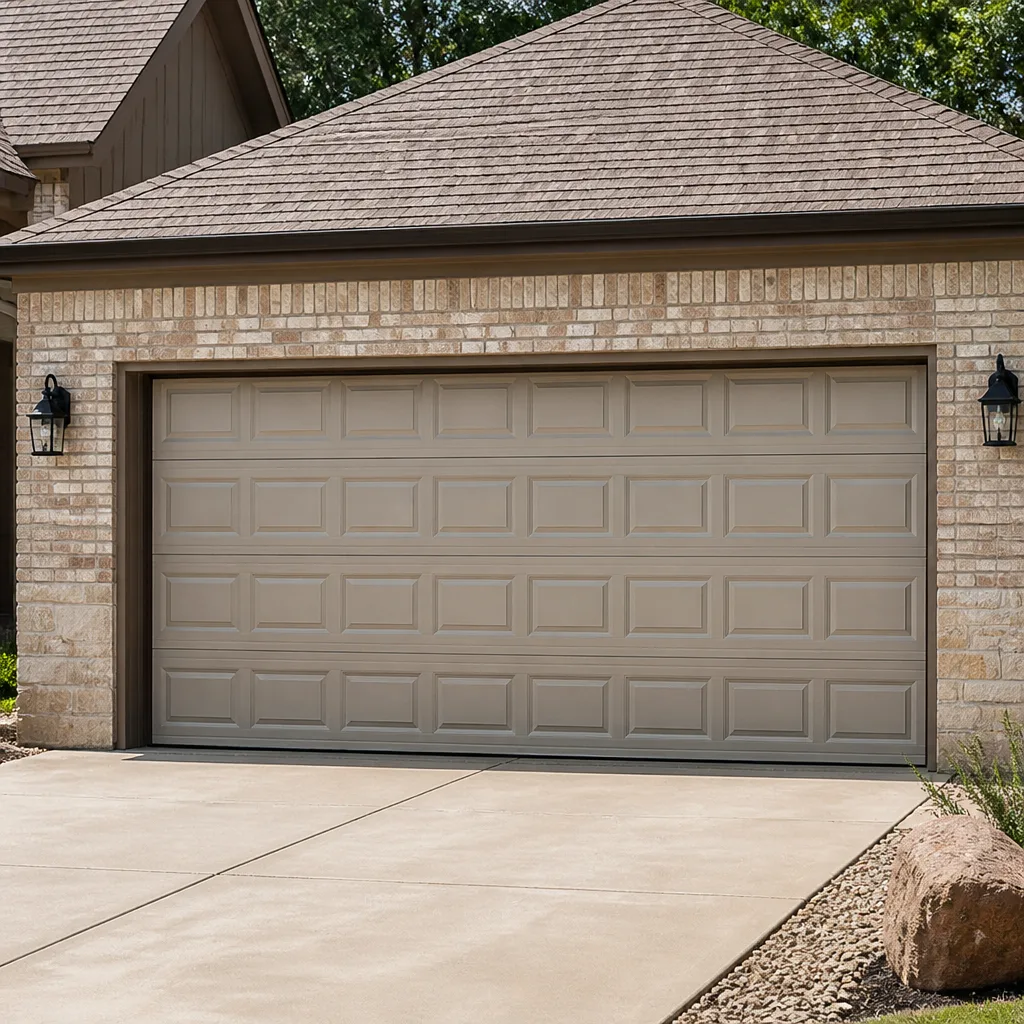 Raised-panel steel
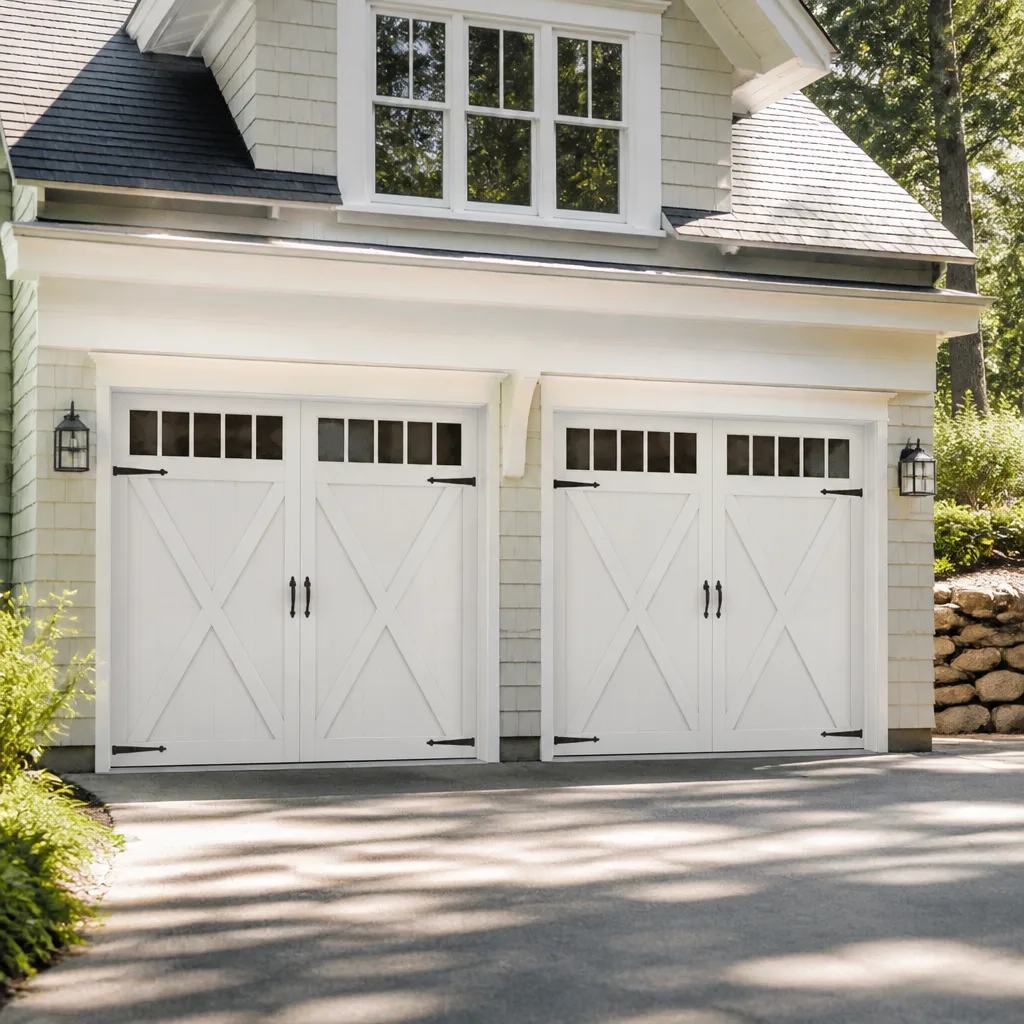 Carriage house
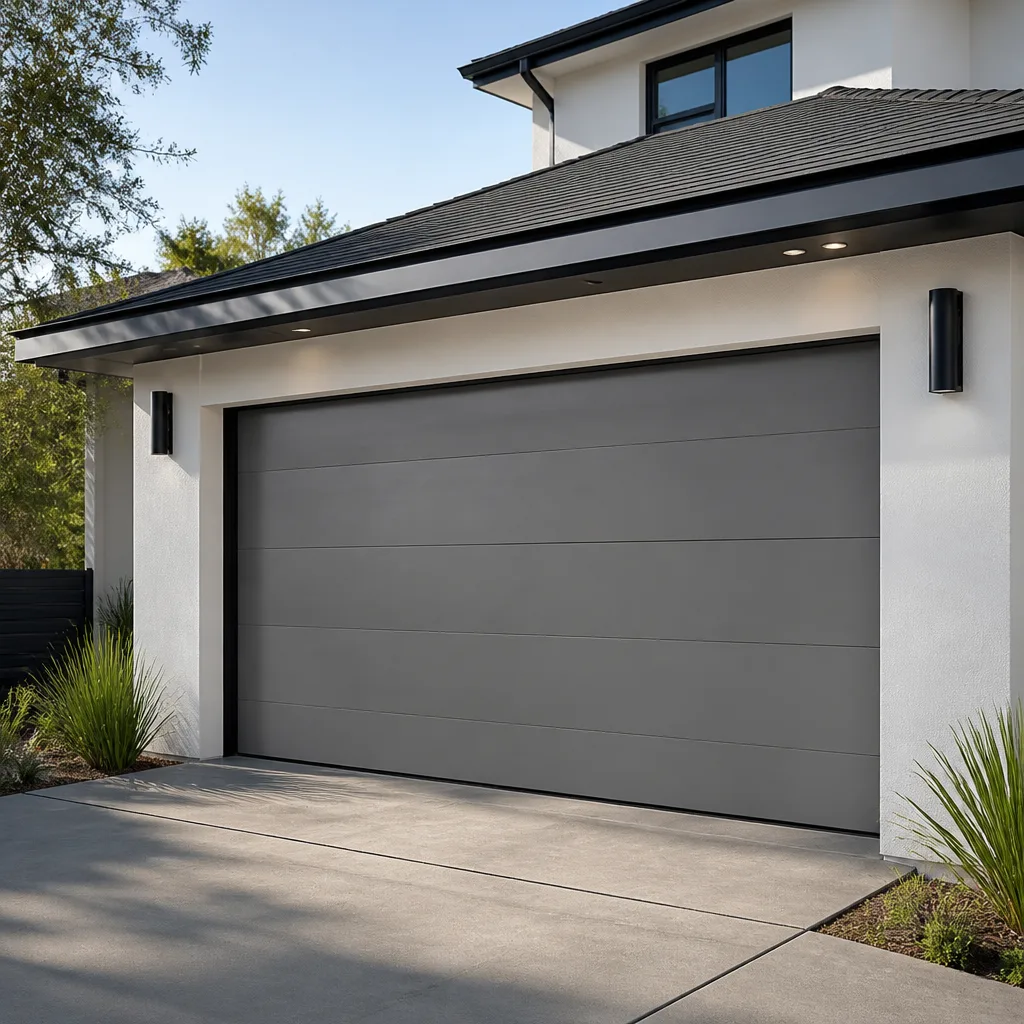 Modern flush
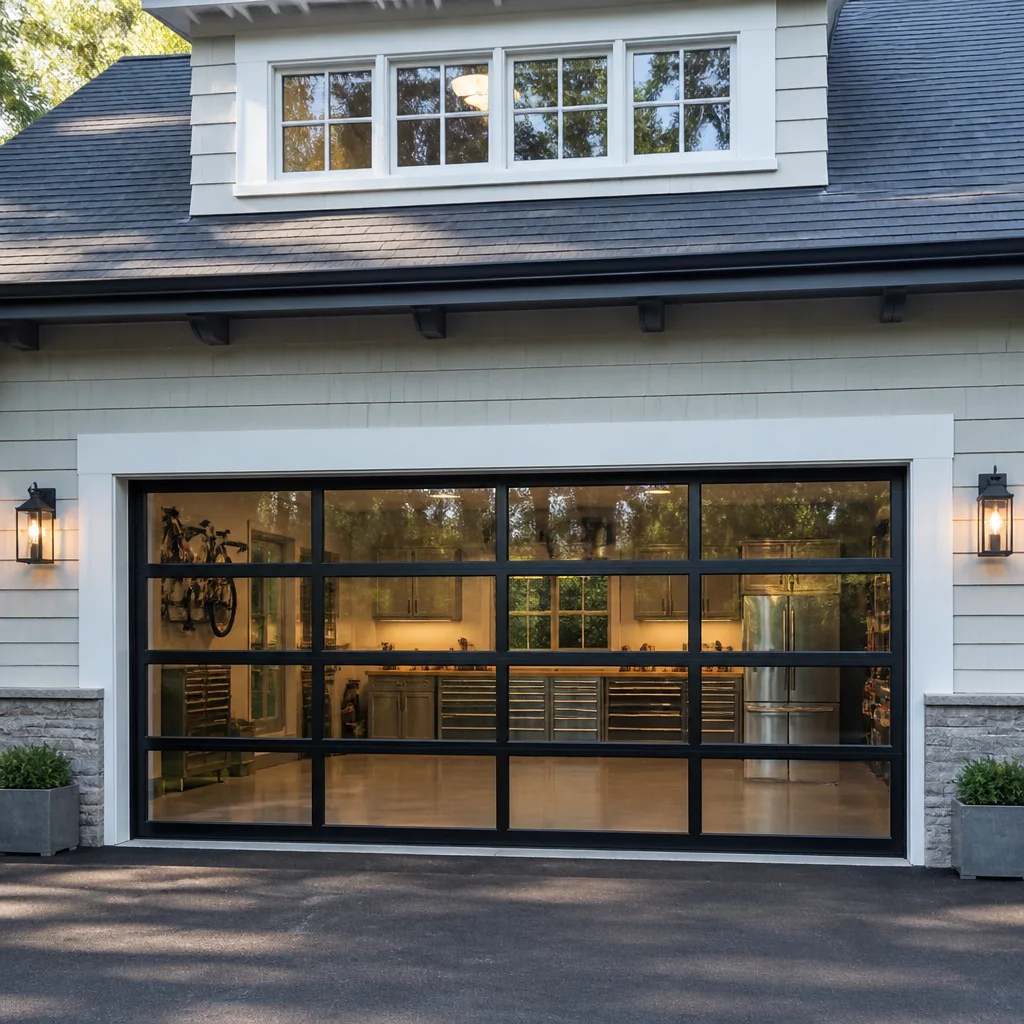 Full-view glass
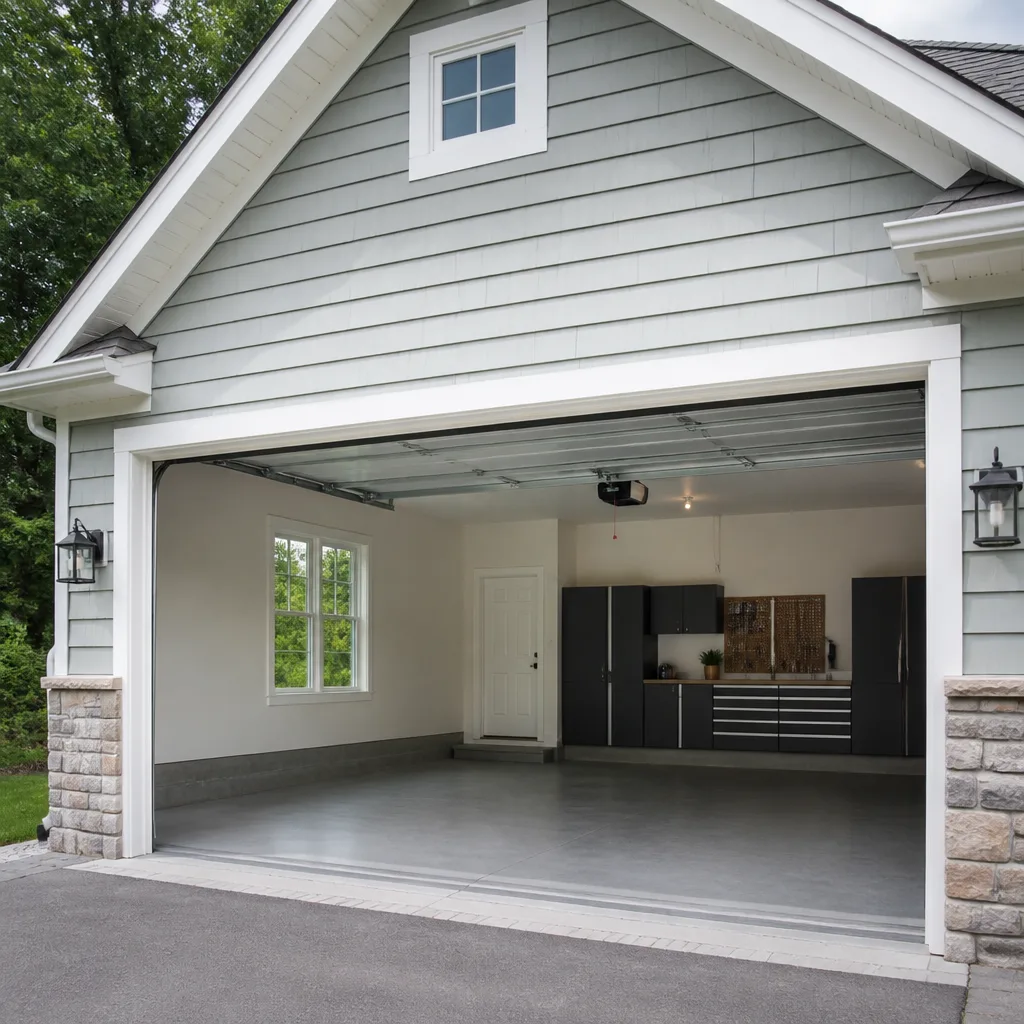 LiftMaster openers
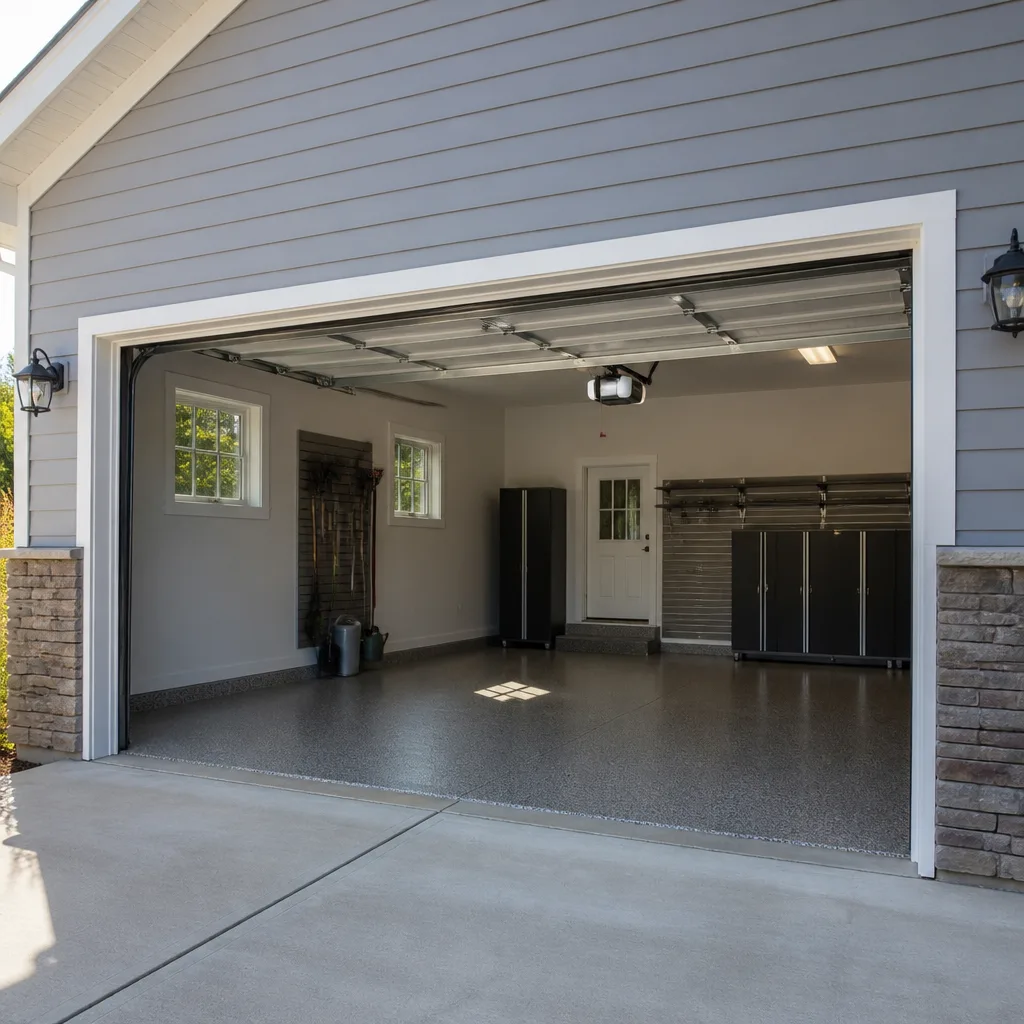 Chamberlain openers
Full 25-point door and opener safety check with every visit - springs, cables, rollers, tracks, and your LiftMaster or Chamberlain opener included
You get a price before we start. It does not change when the pro arrives.
Get your free estimateThe Complete Guide to Garage Doors in Lincoln Park
Most garage door buying advice assumes a clean, square opening in a suburban garage. Lincoln Park doesn’t work that way. Between the greystone coach houses behind the main buildings, the postwar two-flats with shared alleys, and the modern infill going up on narrow lots, the door has to fit a structure that was built before anyone thought much about standard sizing. This guide covers what actually happens when you buy, repair, or upgrade a garage door in Lincoln Park: which door types suit which building, what the city requires before you start, how low headroom changes your opener choice, and where the real costs sit. It’s written from the neighborhood, for the neighborhood.
Quick Answer
A garage door in Lincoln Park is best chosen by first measuring the actual rough opening, then matching the door type to your building’s headroom, alley access, and any landmark or HOA rules that apply. Standard 16×7 doors fit most modern and postwar garages, but pre-1960 coach houses often need a custom size or framing modification before a new door will work. Permit requirements, materials, and opener drive type all follow from those first measurements.
Styles & brands we work with
- Raised-panel steel
- Carriage house
- Modern flush
- Full-view glass
- LiftMaster openers
- Chamberlain openers
Table of Contents
- How Lincoln Park garages differ from the suburbs
- Which door type fits which Lincoln Park building
- Rough-opening constraints in pre-1960 construction
- City of Chicago permit basics for Lincoln Park parcels
- Landmark and HOA rules that affect door material and color
- Choosing an opener for low-headroom garages
- What garage door work typically costs in Lincoln Park
- What you should never touch yourself
How Lincoln Park garages differ from the suburbs
The single biggest difference is the alley. Most Lincoln Park residential blocks run a service alley behind the buildings, and the garage opens onto that alley rather than a driveway or a street-facing apron. That changes almost everything about door selection. Alley aprons are often narrower than a standard approach, they slope toward the alley drain, and the ceiling inside the garage is frequently set by a masonry wall that predates any standard lumber dimension.
Building age compounds it. Lincoln Park’s housing stock mixes three broad categories: pre-war greystones and their coach houses, postwar two- and three-flats, and recent infill on narrow or subdivided lots. Each has a distinct set of door constraints:
- Greystone coach houses: narrow openings, low ceilings, brick or stone headers that can’t simply be reframed, and often a shared wall with the alley-facing building.
- Postwar two-flats: closer to standard sizing, but commonly used by multiple residents, which puts more wear on the door and opener and makes quiet operation a real priority.
- Modern infill: usually standard or near-standard sizing with higher headroom, but tighter lot lines and sometimes a carport-style opening instead of a fully enclosed garage.
The consequence is that a showroom door spec sheet won’t tell you much until you’ve measured your opening and cleared the ceiling. A standard 16×7 door won’t fit the rough opening on roughly a third of Lincoln Park’s pre-1960 garages without structural modification. That’s a general observation about old construction, not a rule. It’s still the most common reason homeowners end up buying a door that has to be returned.
Climate plays a secondary role. Lincoln Park winters are long and the freeze-thaw cycle runs through late winter, so doors that face alley wind and road slush get tested hard. Insulated panels help more here than they would in a milder climate, and steel with a good factory finish holds up better than an unsealed wood door on a north-facing alley wall.
Which door type fits which Lincoln Park building
There are three main door types you’ll see in Lincoln Park, and each suits a different building. Choosing correctly at this stage saves you from fighting your garage for the next fifteen years.
Sectional doors
Sectional doors are the default for most Lincoln Park garages. They’re built from horizontal panels that travel up and back along an overhead track. They’re the easiest to insulate, the components are widely available, and any brand familiarity you have with Garage Door Repair Lincoln Park parts and labor applies directly. Clopay and Amarr both build sectional lines in the common sizes, and their custom and semi-custom programs will match a narrow coach-house opening.
Sectional doors need headroom above the opening for the horizontal track. In a garage with a low masonry header, the track can be low-mounted so the door clears without hitting the ceiling, but that usually rules out the higher-lift configurations you’d see in a newer garage.
One-piece tilt-up doors
Older coach houses often still have (or originally had) a one-piece door that swings out and up as a single slab. On a Lincoln Park alley garage, this is the type to think twice about. The door tilts into the alley during operation, and if the alley is narrow or the apron slopes, that swing can become a nuisance or a genuine collision hazard with traffic.
When a one-piece door is in good shape, it can often be repaired rather than replaced. When it’s not, replacing it with a sectional is the more practical choice for most owners. The exception is a building with a brick arch or a decorative header that can’t take an overhead track without visible brackets on the facade.
Roll-up doors
Roll-up doors coil vertically above the opening instead of tracking back into the garage, so they need very little headroom. In a low-ceiling Lincoln Park garage that’s genuinely useful space, and they close tight against the opening, which helps with alley wind and street noise. The tradeoff is style: roll-ups look utilitarian on a greystone facade, and they don’t offer the same insulation levels as a good sectional. They make the most sense on a modern infill garage or a coach house where function matters more than curb appeal.
Rough-opening constraints in pre-1960 construction
Before you buy a door, measure the rough opening. Not the door. The opening. That means the clear width and height between the finished jamb surfaces and from the floor to the underside of the header. Then measure the headroom (floor to ceiling), the side clearance on each side, and the backroom (how far the door travel will extend into the garage).
In pre-1960 Lincoln Park construction, one or more of those numbers is usually non-standard. Here’s how we approach a decision:
- Measure the opening and the headroom. A standard 16×7 door needs a 16-foot-wide opening and 7 feet of clear height, plus headroom for the track.
- Compare the measurements to standard door sizes. If the opening is within an inch or two of a standard size, a framing modification may be the cheapest solution.
- Check the header. If the header is masonry or a load-bearing beam, reframing isn’t a small job. That’s the point where a custom size usually wins.
- Confirm side clearance. A standard sectional needs a couple of inches on each side for hinges and rollers. A coach-house opening with brick tight to the jamb may not have that.
- Decide between custom sizing and reframing. Custom sizing costs more up front but avoids touching the structure. Reframing changes the building and can trigger a permit.
A custom-sized door is worth the cost when the building’s opening is fixed by masonry and you don’t want to alter the facade. A framing modification is the better call when the opening is close to standard, the header is wood, and there’s enough side clearance to move the jamb a few inches without disturbing the brick. The wrong choice in either direction is doing the structural work first and discovering the door still doesn’t fit.
Any time you’re considering reframing a garage opening, have the header checked by a licensed structural professional. That’s outside the scope of the door trade, and it’s the sort of thing that should be confirmed before a door is ordered.
City of Chicago permit basics for Lincoln Park parcels
Garage door replacement in Chicago may or may not require a permit depending on the scope of work. A like-for-like door swap in an existing opening generally falls under routine maintenance. Enlarging an opening, reframing a header, changing the structural framing, or building a new garage typically does require a permit and sometimes an inspection or licensed trade involvement.
Because Chicago’s rules have been updated in recent years and depend on the exact scope, the only reliable answer for your Lincoln Park address is one that comes from the city itself. Call the Chicago Department of Buildings or check the current permit requirements before the job starts, especially if the plan involves framing changes or a new opening. Ask specifically about the permit type your scope requires and whether the electrical work for a new opener needs a separate electrical permit.
The practical implication for a Lincoln Park project is straightforward: if you’re replacing a door in an existing opening, the permit question is usually small. If you’re changing the opening, expect the permit conversation to happen first, and plan the project timeline around it. This is a planning point, not a barrier. It just needs to be handled early rather than after the door arrives.
One useful side effect: the permit discussion often clarifies the scope before you’ve spent money on anything. A short conversation about what’s on the parcel typically closes the question either way.
Landmark and HOA rules that affect door material and color
Lincoln Park includes parcels within Chicago Landmark districts and adjacent to them. If your building sits inside or next to a landmark district, exterior changes to the facade, including the garage door, can fall under review. The review is typically about visible materials and color, not the mechanical door itself, and it looks at how the door reads from the street or the public alley.
In practice, this means two things:
- Material and color choices matter more than brand. A modern steel door in a bright color will read differently on a landmark-adjacent greystone than a factory finish that mimics painted wood or a muted tone.
- Check before you order. If your parcel is in a landmark district, confirm the review requirement and the approved finishes before the door is manufactured. Custom doors aren’t returnable.
HOAs and condo associations add a second layer. Many Lincoln Park buildings, especially the postwar two-flats and newer infill, are governed by an association that sets rules on door appearance. The rules usually cover color, window options, and whether a door can be paneled or must be flush. Ask your association for the current rules in writing. A written copy avoids a dispute after the door is installed and makes the conversation with the door supplier simpler.
If you’re in a landmark district and an HOA, both rules apply. The stricter one sets the ceiling.
Choosing an opener for low-headroom garages
A garage door opener in Lincoln Park almost always faces the same problem: not enough ceiling. Standard ceiling-mount openers need a rail running horizontally back into the garage and a motor hanging down from the ceiling. In a coach house with a low masonry ceiling, that rail has nowhere to go, and the motor takes up clearance the car already needed.
The three drive types behave differently here, and headroom decides between them more than anything else:
- Belt drive: quiet and smooth, the best fit for a two-flat where a garage sits under living space. Standard belt-drive units still need the ceiling space for the rail, so belt is the noise answer, not the headroom answer.
- Chain drive: the most durable and the noisiest. Fine on a detached garage or a coach house where sound doesn’t carry into the home. Same headroom constraint as belt.
- Jackshaft (also called side-mount or wall-mount): mounts on the wall beside the door and drives the torsion shaft directly, so it uses essentially no ceiling headroom. On a low-ceiling Lincoln Park garage, this is usually the correct choice when the standard rail won’t fit.
Jackshaft openers are available from major brands, including Genie and LiftMaster, and they suit a torsion-spring door. If your door uses extension springs, the conversion is more involved, and it’s the kind of interaction between opener and door hardware worth checking before you buy.
Brand familiarity matters here. When the door is a Clopay and the opener is a Genie, and the springs have been replaced at some point with parts from another manufacturer, you end up with three systems that need to work together. We work on the brand already in your garage, which means a technician who shows up for garage door opener repair isn’t guessing at a proprietary mechanism.
What garage door work typically costs in Lincoln Park
Pricing for garage door work in Lincoln Park sits higher than in outer neighborhoods and much higher than in the suburbs, for reasons that are structural rather than cosmetic. Urban access is slower, older buildings take longer to work in, and custom sizing is more common. The table below reflects typical ranges for the more common jobs. These are estimates; the written quote sets the final price.
| Job | Typical estimated cost |
|---|---|
| Spring replacement (one spring) | $180-$340 per spring. Matched pairs are usually replaced together, so a pair runs about double. |
| Opener repair | $150-$400 depending on the failure |
| Opener replacement (standard) | $350-$700 installed |
| Panel replacement (single section) | $250-$600 depending on the panel and finish |
| Full door replacement (standard size) | $1,200-$2,800 installed |
| Custom-sized door for a non-standard opening | Quoted per job after measurement |
The price is quoted and agreed before any work starts. If the technician finds something during the job that changes the scope (a broken torsion shaft, a bent track, a header that won’t hold the new bracket), you’ll hear about it before the work continues, and the written estimate gets updated. The invoice you receive matches the last quote you approved.
For full replacement work, the number depends heavily on what the rough opening actually measures and how the old door comes out. A standard-size replacement is straightforward. A coach-house opening that needs a custom door and low-mount track is a different job with a different price, and it should be quoted that way, after a measurement.
If you’d like a shape of the market before you commit, call us with the measurements and we’ll give you a ballpark over the phone. The written estimate after the measurement is what holds.
What you should never touch yourself
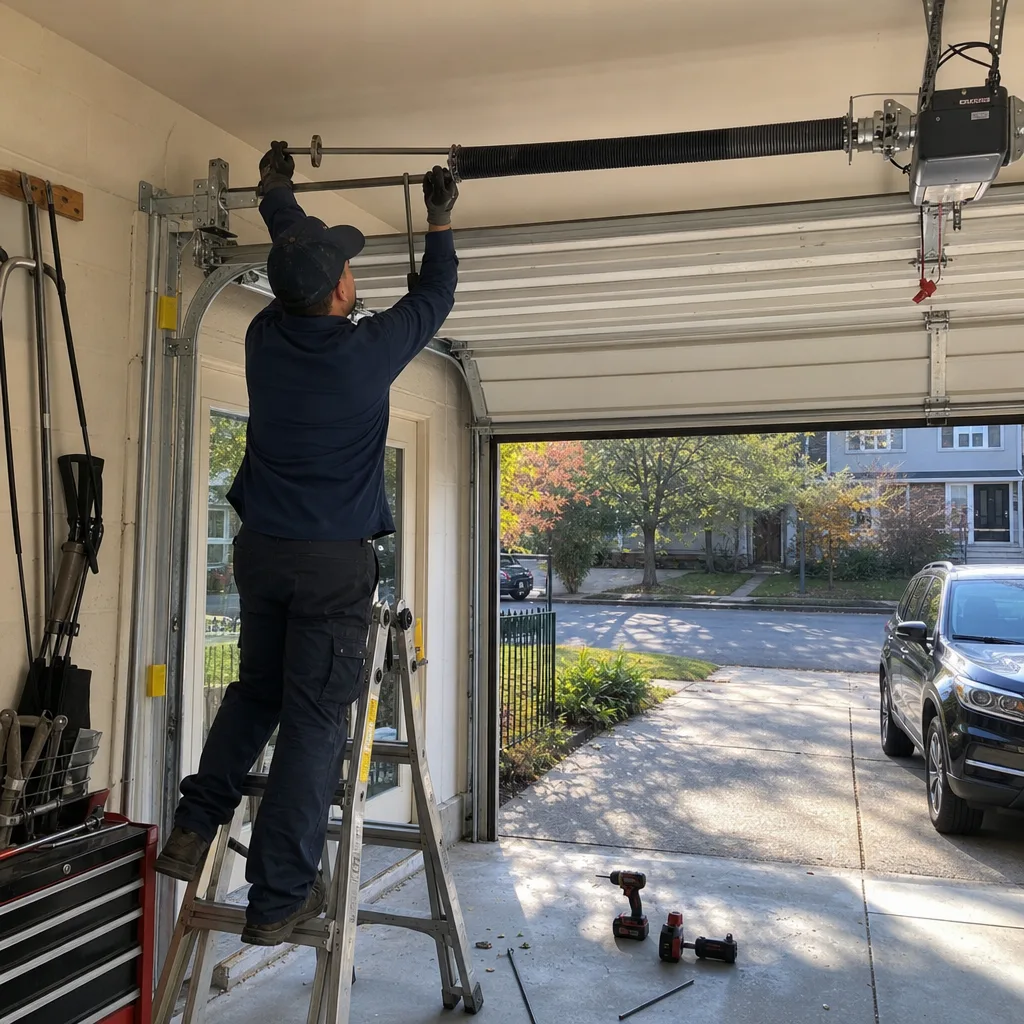
Two parts of a garage door system can hurt you, and one of them kills people every year: the springs and the cables. A torsion spring stores enough energy to break bones or worse when it releases, and it can release while you’re standing under it. Extension springs can fail and throw hardware across the garage if there’s no containment cable in place. The cables themselves run at the spring’s tension and will cut through a hand.
Never adjust, remove, or replace a spring or a cable yourself, and never try to unwind a torsion spring to “help” the door close. If a spring is broken, the door should stay shut and you should stop using the opener until a trained technician has made it safe. The opener is not designed to lift a door with a broken spring, and forcing it damages the opener and the door.
Electrical work inside the garage is another area to leave alone. Opener wiring, new circuits for a jackshaft unit, and anything touching the panel should involve a licensed electrician. The door trade handles the door, the mechanics, and the opener; the wiring belongs to an electrician.
What’s safe for a homeowner to check: the door balance test (pull the release handle, open the door halfway, let go, and see whether it stays), the auto-reverse safety test (put a small object in the door’s path and confirm the door reverses), the condition of the rollers and hinges (visible cracks or wobble), and the weatherstripping at the bottom and sides. Those checks catch problems early. Anything that requires tools on the spring or cable is a call to a professional.
Common Mistakes to Avoid
- Ordering before measuring the rough opening. The opening, not the door, is the starting point in Lincoln Park. Measure it before you compare door models, because the standard-size door that looks right on a spec sheet may not fit.
- Assuming a sedan-sized garage is standard. Many coach-house garages on Lincoln Park alleys are shallower than modern cars. Measure the depth before you assume a sectional track will clear the car.
- Ignoring landmark and HOA rules until after the door is built. Custom doors aren’t returnable. Confirm the material and color paperwork before the door is ordered, not after.
- Replacing a door to fix an opener problem. A door that won’t stay closed or reverses randomly is often an opener sensor or limit-switch issue. Diagnose before you replace.
- Choosing a ceiling-mount opener in a low-headroom garage. A standard rail may not fit. Jackshaft openers exist for exactly this situation, and choosing the wrong drive means a new opener that has to come back out.
- Tipping a one-piece door into a narrow alley without checking the swing. The tilt clearance matters on an alley-facing garage. A door that operates fine when empty can hit an alley car or a trash bin during the swing.
- Trying to fix a broken spring yourself. We’ve said it once already, but it bears repeating. Springs are dangerous, and this is exactly the work we do – with the right tools and the right procedures.
See the difference
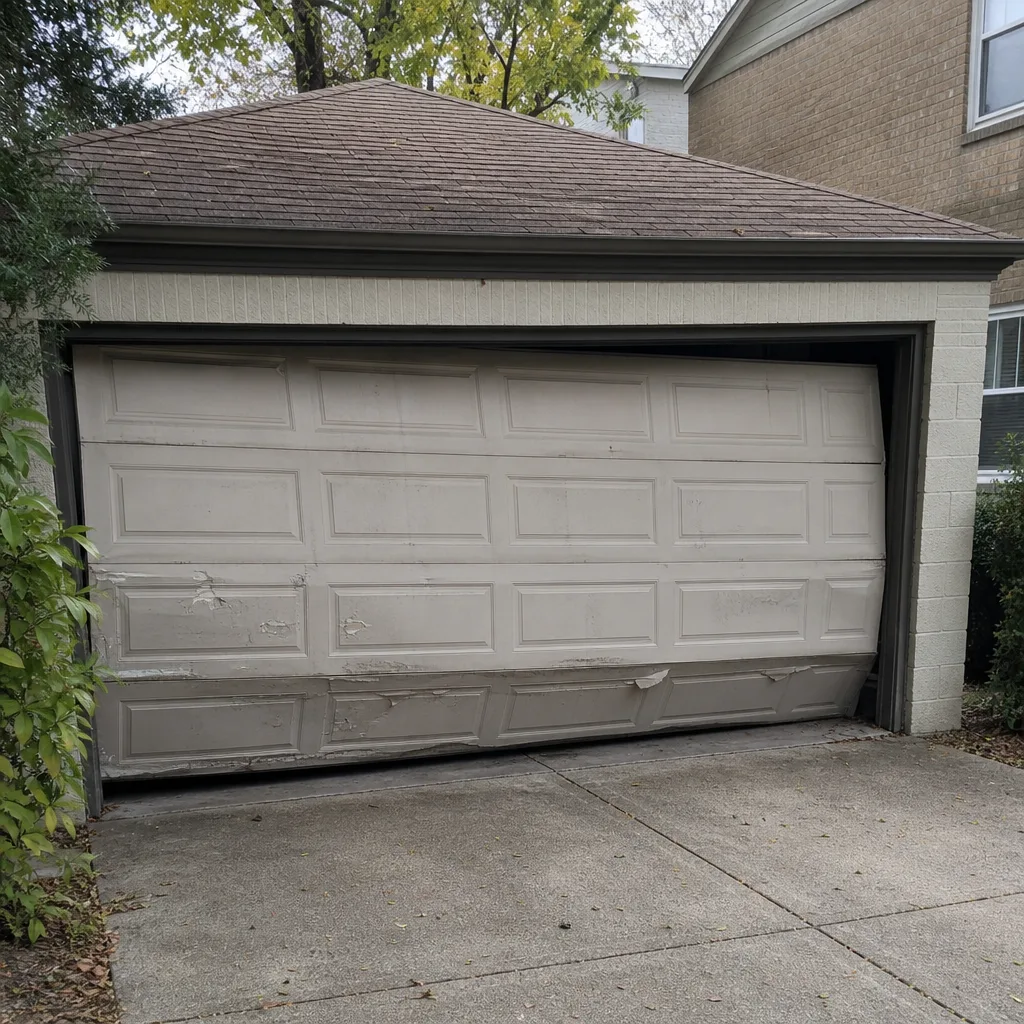 Before
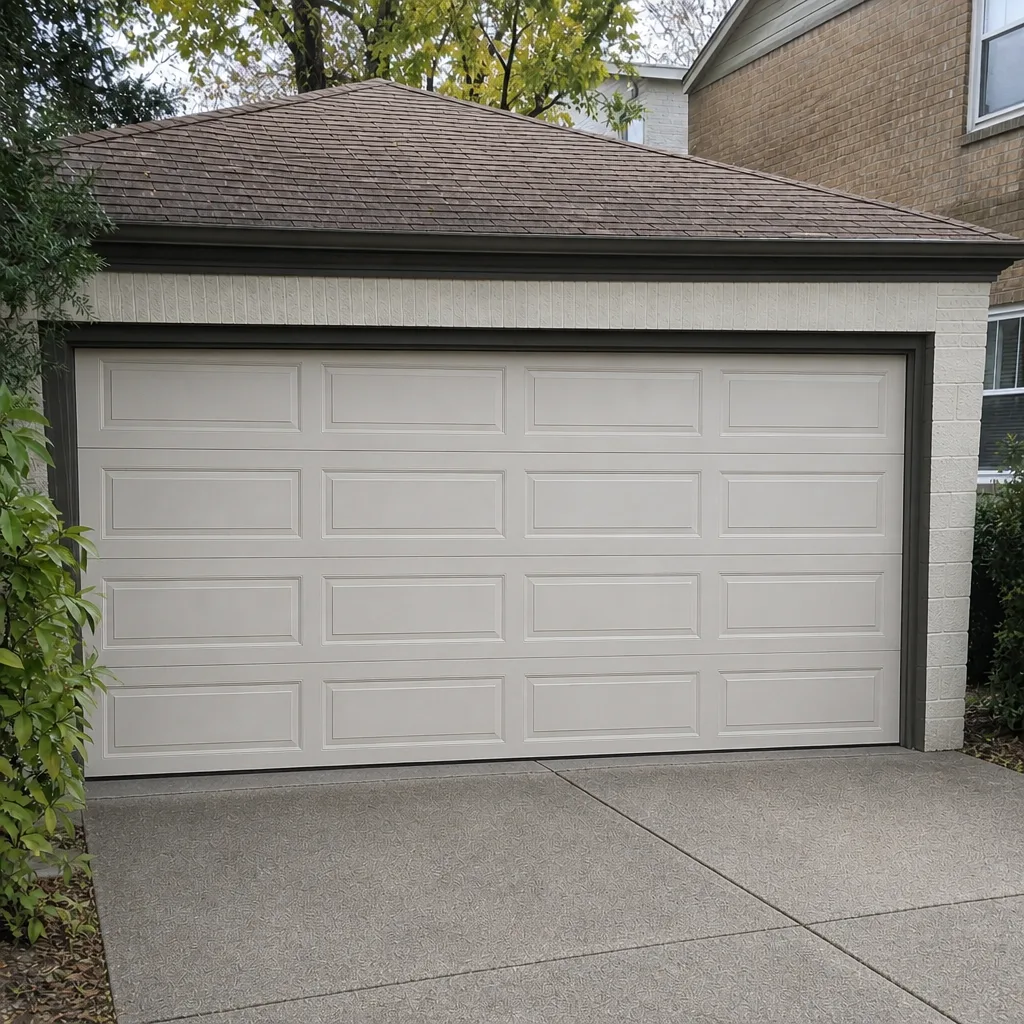 After
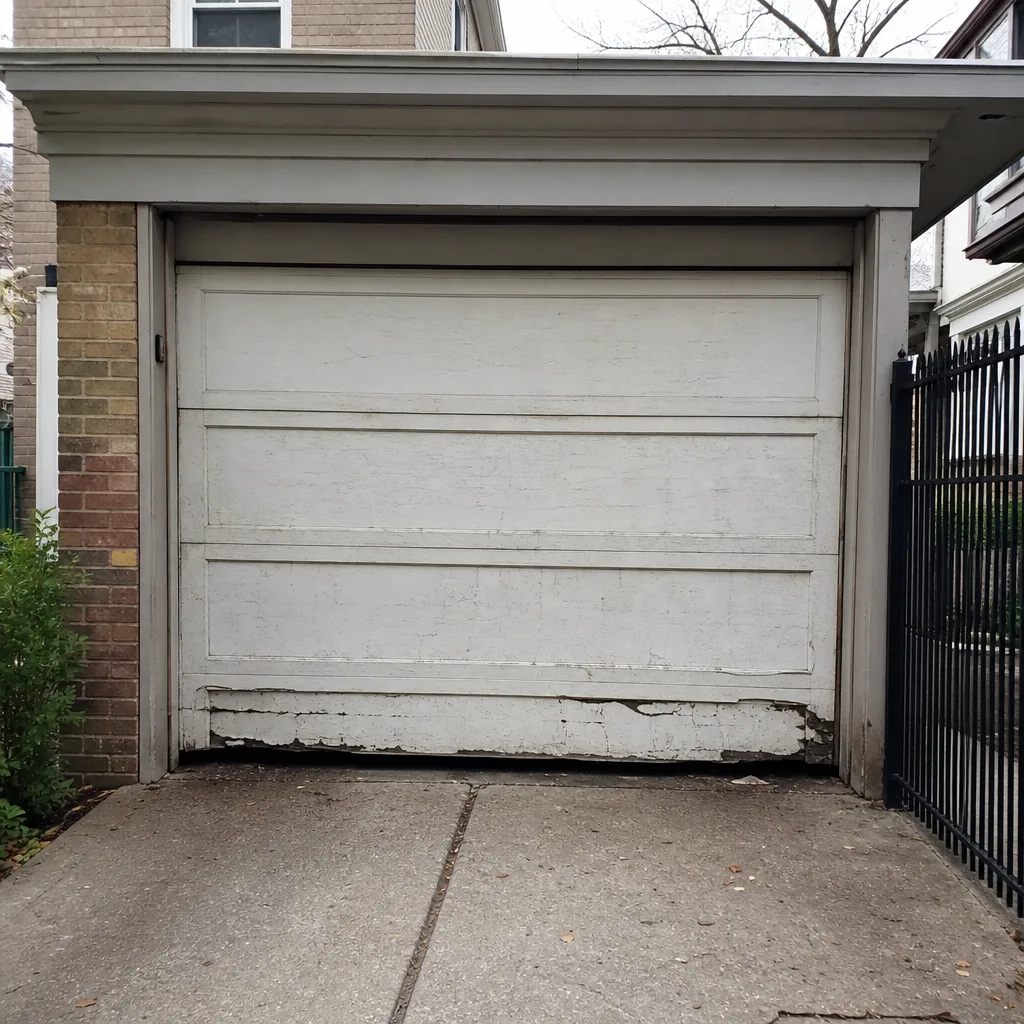 Before
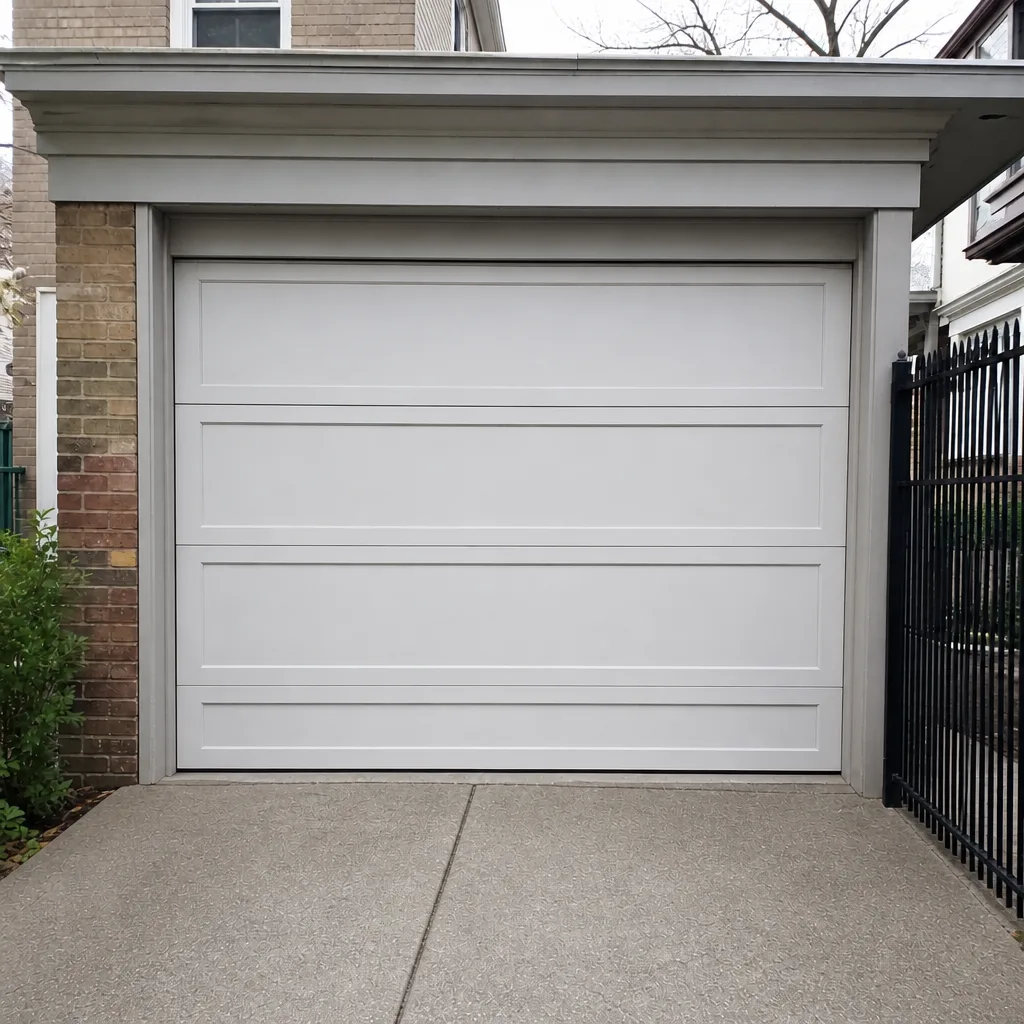 After
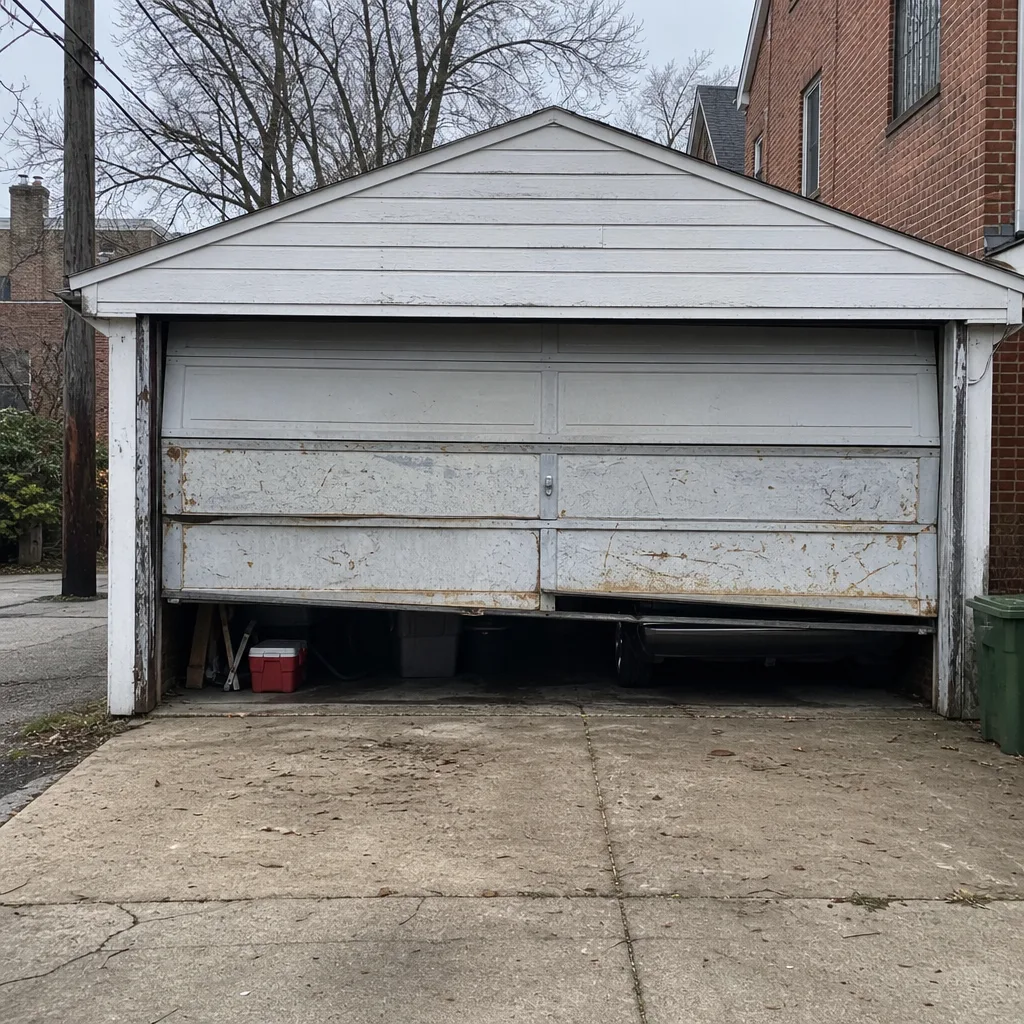 Before
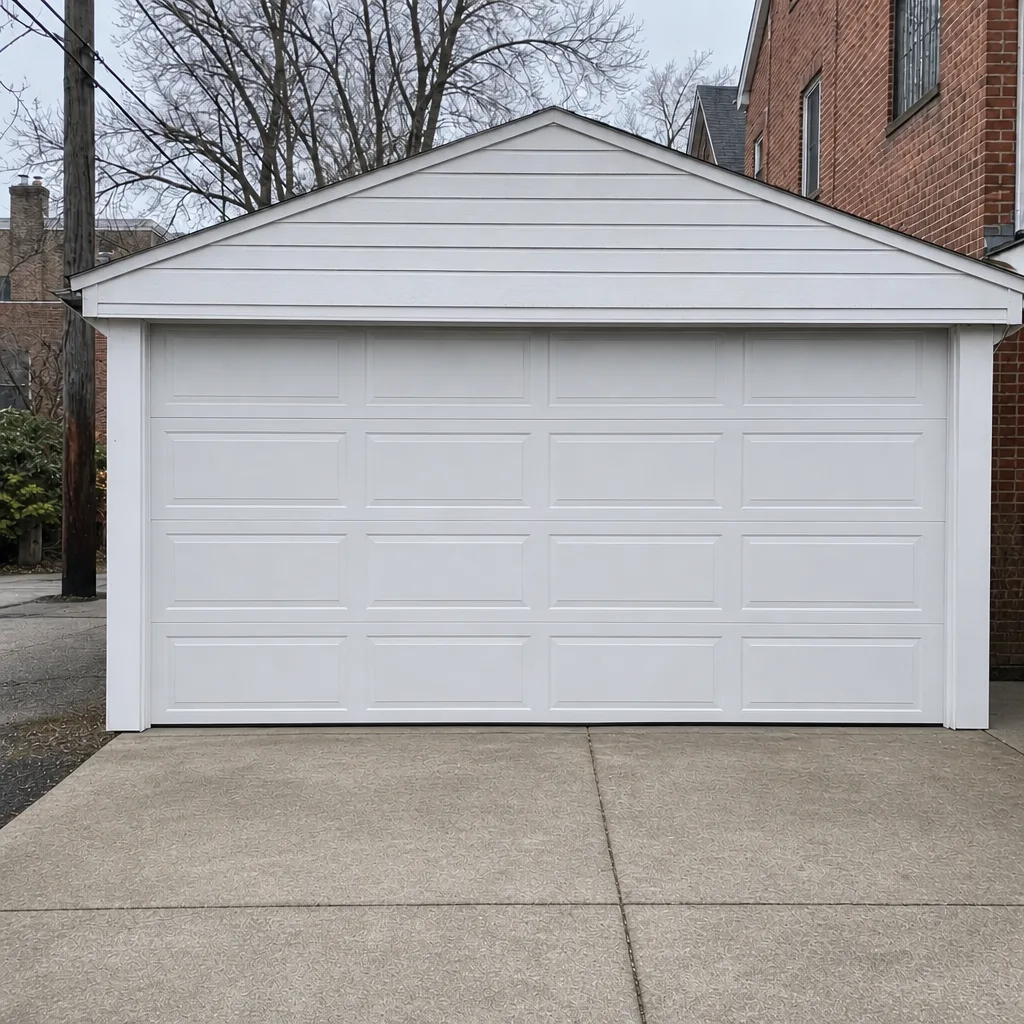 After
When to Call a Professional
Call a professional for any spring or cable issue, any electrical work, any door that won’t balance or reverses unexpectedly, and any replacement project where the rough opening doesn’t match a standard size. A loud or grinding door, a sagging panel, a bent track, or an opener that runs but doesn’t lift are all signs that a trained eye should look at it before the problem spreads. Part of the job is garage door repair, which covers everything from a snapped spring to a misaligned sensor, and the technician can also supply parts directly rather than sending you to a big-box store mid-repair.
Garage Door Repair Lincoln Park offers free estimates in Lincoln Park. Call (855) 658-5155. We answer 24/7. Fast dispatch from 7am to 7pm, Sunday through Friday. If you’re planning a full replacement, the free estimate includes a measurement of your rough opening; from there, garage door installation is scheduled around the door’s lead time, and you’ll have a written price before anything is ordered.
Frequently Asked Questions
It depends on scope. A like-for-like replacement in an existing opening generally doesn’t need a permit, while enlarging an opening, reframing a header, or building a new garage typically does. Confirm with the Chicago Department of Buildings before work starts, particularly if the job involves structural changes. If you’re unsure, call (855) 658-5155 and we’ll help you sort out what kind of job you’re looking at.
Not always. If the opening is within an inch or two of a standard size and the header is wood, a framing modification can make a standard door work. If the header is masonry or the opening is significantly narrower, a custom size usually costs less than structural work and preserves the building’s facade. Measure the opening before you decide. Call (855) 658-5155 for a measurement and a written estimate.
A jackshaft, or side-mount, opener is the usual answer in a low-headroom Lincoln Park garage because it mounts on the wall beside the door and uses almost no ceiling space. Belt and chain drives need a horizontal rail above the door, which a low masonry ceiling often can’t accommodate. If the door uses torsion springs, the jackshaft conversion is straightforward. Call (855) 658-5155 for an exact quote on your setup; estimates are free.
Typical estimates in Lincoln Park run $180-$340 for one spring. Matched pairs are usually replaced together, so a pair costs about double. The price is quoted in writing before any work starts, and the final invoice matches that written estimate. Call (855) 658-5155 for an exact quote – estimates are free.
For repair work, often yes. We answer 24/7, and fast dispatch runs from 7am to 7pm, Sunday through Friday; a call outside dispatch hours is booked into the next opening. We’re closed Saturday. New door and replacement work is measured, ordered, and scheduled rather than same-day. Call (855) 658-5155 to see what’s available.
Only if the scope changes, and you’ll hear about it before the work continues. The price is quoted and agreed before any work starts, and the written estimate is updated if a hidden problem surfaces (a bent track, a broken torsion shaft, a header that won’t hold a new bracket). The invoice matches the last quote you approved. Call (855) 658-5155 for an exact quote; estimates are free.
We connect you with vetted local professionals who are licensed and insured as their state requires. Spring work is a safety-critical job, and it’s handled by trained technicians. Call (855) 658-5155 to book an estimate.
The Bottom Line
Garage doors in Lincoln Park are a local problem, not a general one. The rough opening comes first, then the door type follows from your building, headroom, and alley access. Permits and landmark or HOA rules are the planning layer that has to be settled before anyone orders a door. Openers follow the same logic: in a low-headroom garage, a jackshaft unit often beats a standard rail. Springs and cables are the part you never touch yourself. Get the measurements, get the permits straight, and get a written quote before you spend anything. If any of it isn’t obvious when you’re standing in the garage, that’s a normal reaction. Call (855) 658-5155 for a free estimate. We answer 24/7, with fast dispatch from 7am to 7pm, Sunday through Friday.
Written by the team at Garage Door Repair Lincoln Park.