
Last updated November 21, 2026
 Raised-panel steel
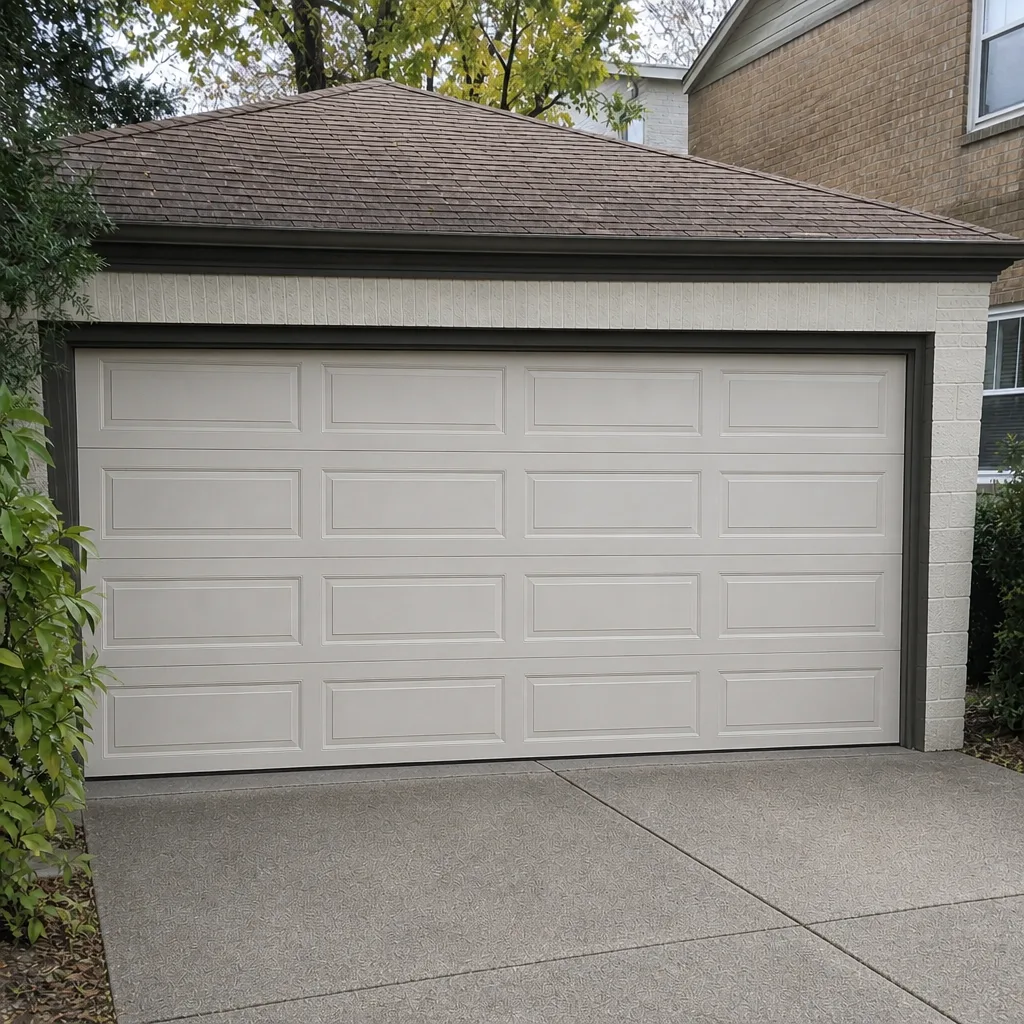
 Carriage house
 Modern flush
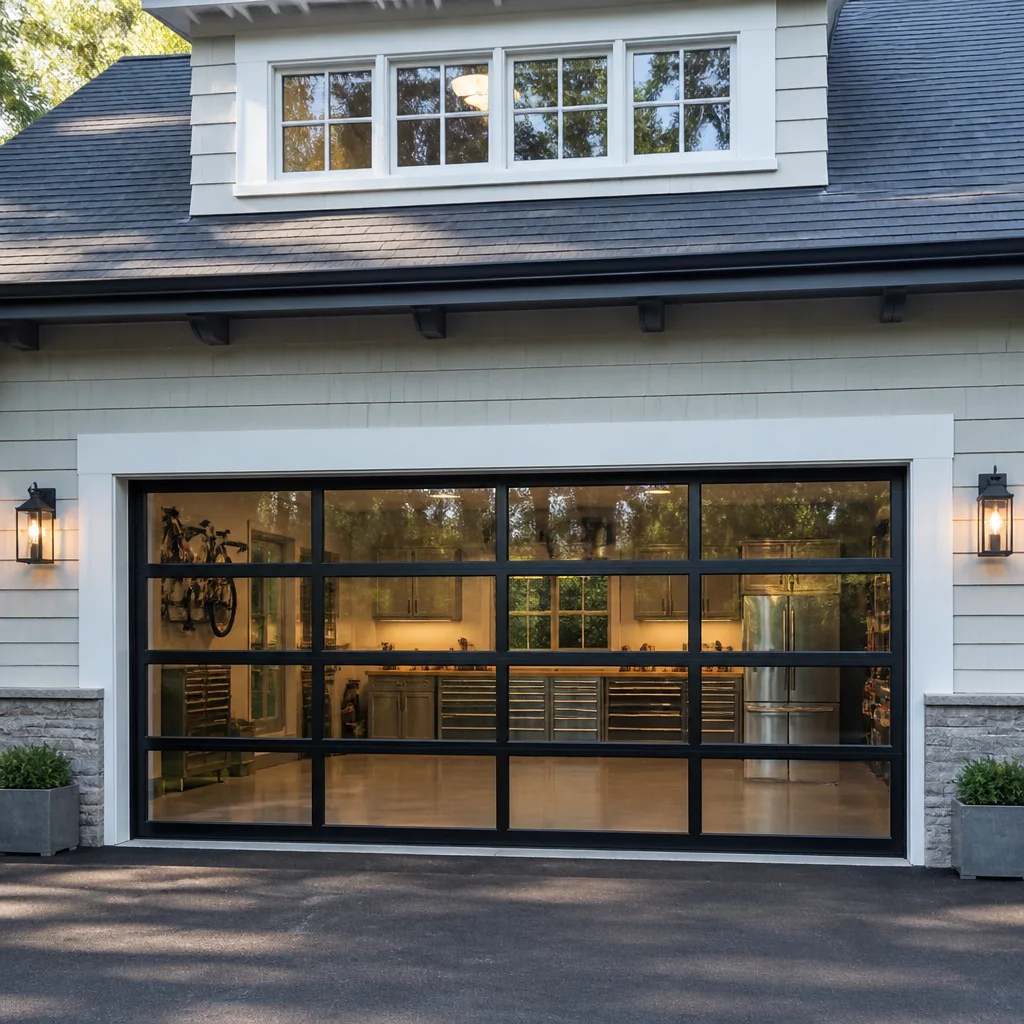 Full-view glass
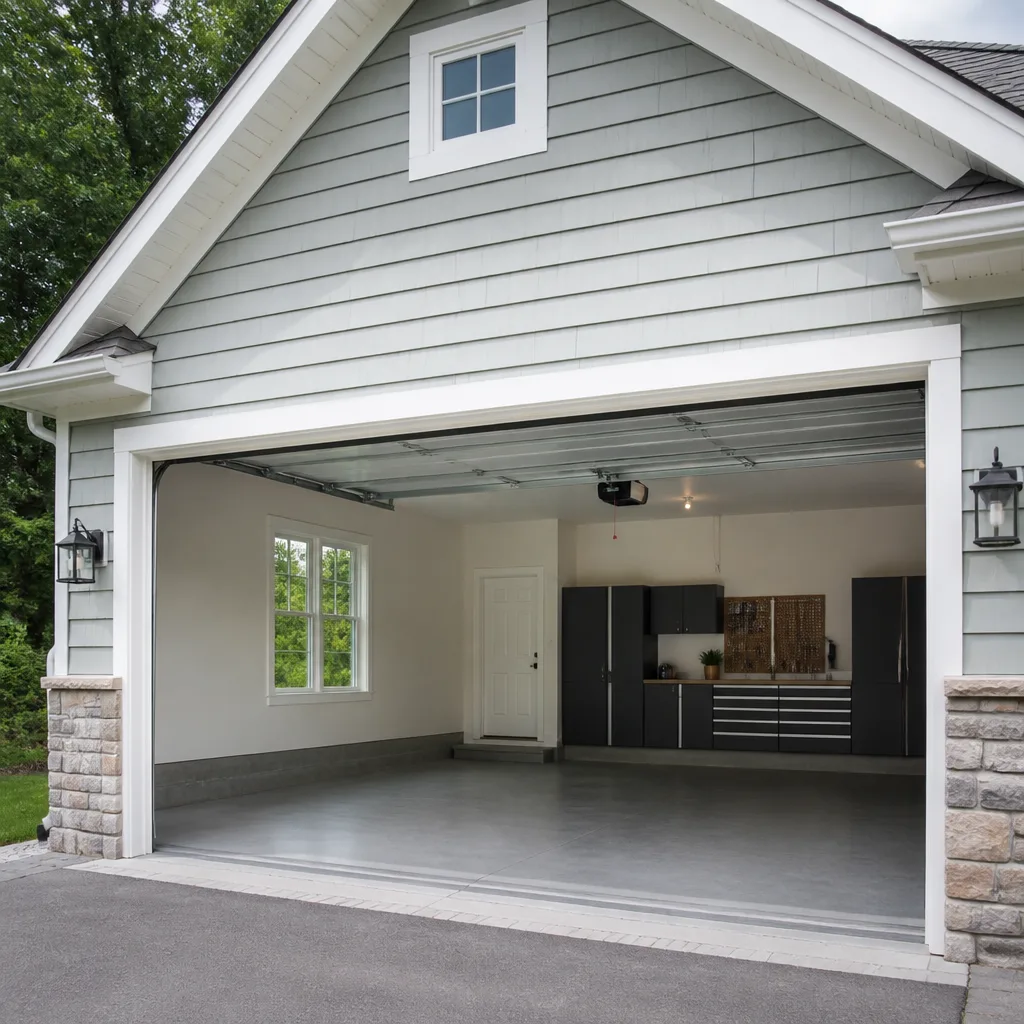 LiftMaster openers
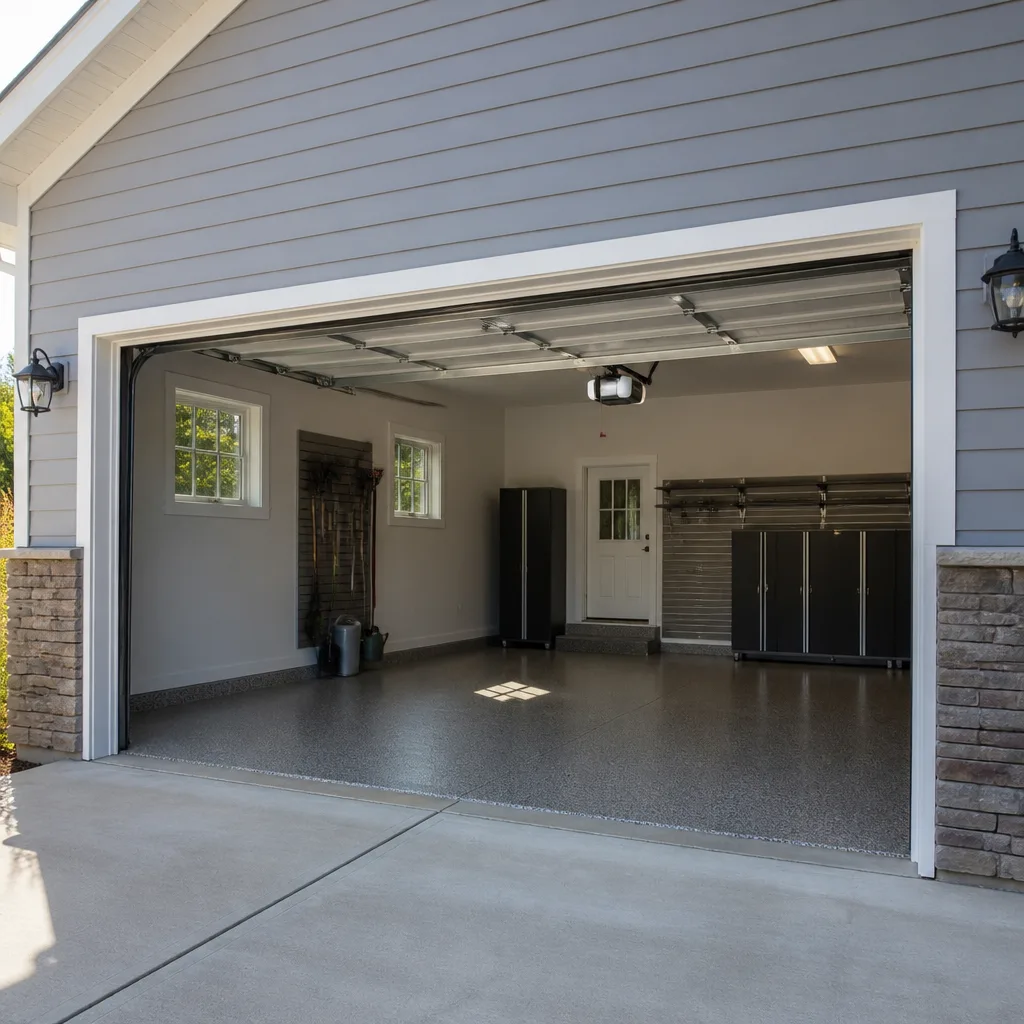 Chamberlain openers
Full 25-point door and opener safety check with every visit - springs, cables, rollers, tracks, and your LiftMaster or Chamberlain opener included
You get a price before we start. It does not change when the pro arrives.
Get your free estimateGarage Door Repair Troubleshooting in Lincoln Park: Common Problems and How to Fix Them
The door reverses before it touches the floor. The opener hums and nothing moves. One panel gaps on the left side while the rest sits straight. Each of these sends most homeowners to the same wrong conclusion, and that’s where money gets spent on the wrong repair. Garage door failures aren’t a hundred different problems. They cluster into four mechanical families: springs, cables, tracks, and the opener itself, including its logic board. Once you know which family a symptom belongs to, you know whether you’re looking at a five-minute adjustment or a call to a technician. This guide maps Lincoln Park symptoms to causes so you can diagnose before you touch anything, and recognize the few situations where touching anything is a bad idea.
Styles & brands we work with
- Raised-panel steel
- Carriage house
- Modern flush
- Full-view glass
- LiftMaster openers
- Chamberlain openers
Quick Answer
Most garage door problems in Lincoln Park trace to one of four systems: a broken or fatigued spring, a cable that’s slipped or frayed, a track that’s bent or out of plumb, or an opener with a logic or sensitivity fault. Run the manual release cord test first. If the door moves freely by hand, the problem is electrical and lives in the opener. If it won’t budge or moves unevenly, it’s mechanical, and that’s where the real diagnosis begins. Three symptoms always need a technician regardless of how handy you are: a broken torsion spring, a frayed cable under tension, and a bent track.
Table of Contents
- The Manual Release Test: How to Isolate Mechanical From Electrical in 30 Seconds
- Symptom Group One: Spring Failures
- Symptom Group Two: Cable Problems
- Symptom Group Three: Track and Alignment Issues
- Symptom Group Four: Opener and Logic Board Faults
- Why Lincoln Park’s Temperature Swings Cause False Reversals
- Won’t Open at All vs. Opens Partially: Two Different Failure Modes
- Common Mistakes to Avoid
- When to Call a Professional
- Frequently Asked Questions
- The Bottom Line
The Manual Release Test: How to Isolate Mechanical From Electrical in 30 Seconds
Before you theorize about springs or circuit boards, do one test. It splits the entire problem in half and takes less time than reading this paragraph. Every opener has a manual release cord, usually a red handle hanging from the trolley carriage. Pull it. That disconnects the door from the opener’s drive, and the door becomes a plain mechanical object.
Then try to lift the door by hand, halfway, slowly.
- If the door lifts smoothly and stays put when you let go at the halfway point: the door and its hardware are healthy. Your problem is in the opener or its logic. Move to the opener section.
- If the door feels heavy, won’t lift, or slams down: the spring system isn’t carrying the door’s weight. That’s a spring problem, and it’s the dangerous category.
- If the door lifts but binds, scrapes, or drifts sideways: the tracks, rollers, or alignment are at fault.
- If the door lifts partway and stops hard, like it hit a wall: something is physically jammed. Stop pulling and look along the tracks.
One thing to know before you do this: a door with a broken spring is much heavier than it looks. A single-car door can weigh well over a hundred pounds, and a double door far more. Lift with your legs, test with one hand, and don’t try to force anything. If the door feels like it weighs more than you can safely hold, that’s your answer. Put the cord back and call us.
For Lincoln Park homeowners, this test is doubly useful because it tells you whether you’re paying for a service call on an opener reset or a genuine mechanical repair. It also gives us better information when you call. “The door is heavy with the release pulled” tells us more than “the door doesn’t work.”
Symptom Group One: Spring Failures
Springs are the muscle of the door. They counterbalance its weight so the opener only has to nudge it, not lift it. When a spring fatigues or snaps, the door doesn’t just get sluggish. It becomes a heavy dead weight hanging over your car. And springs almost always fail at the worst possible moment: right as you’re leaving.
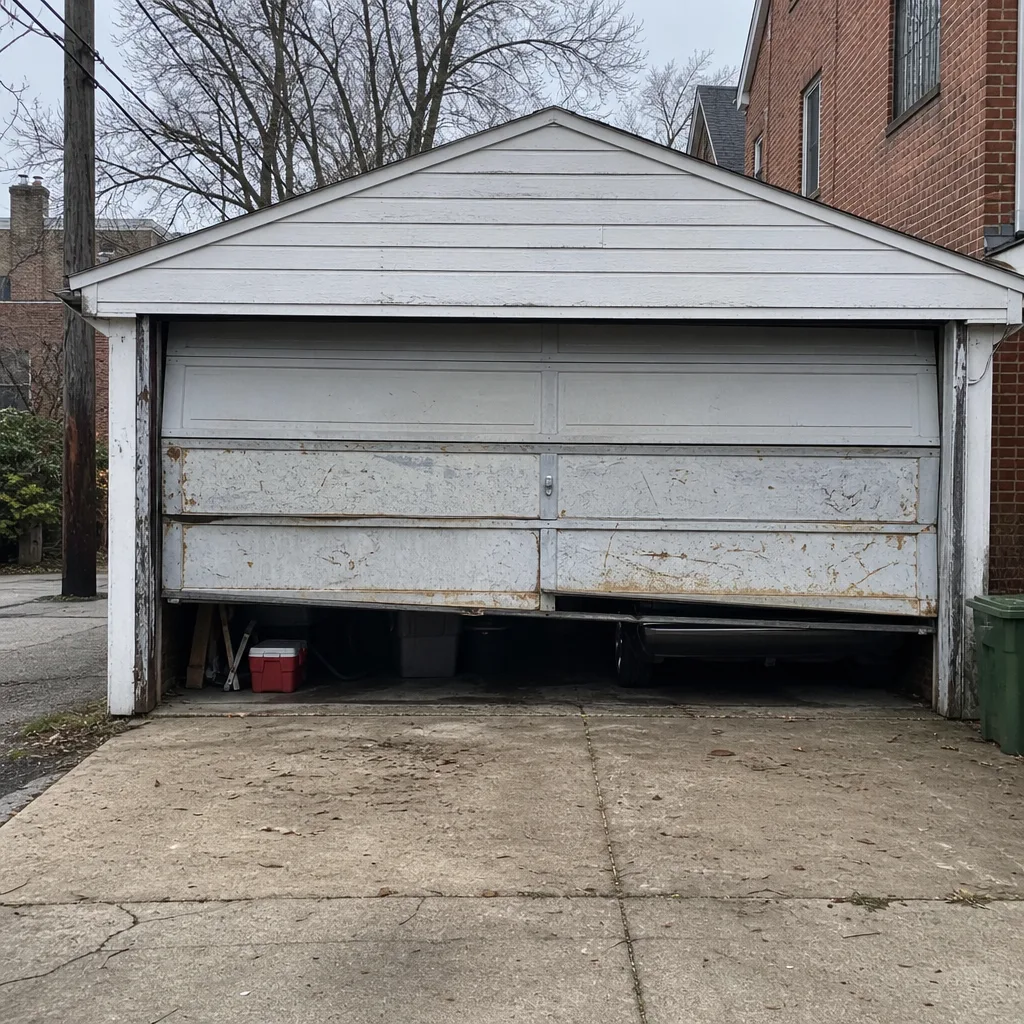
There are two spring types you’ll find in Lincoln Park garages. Torsion springs mount on a shaft above the door and do the work by twisting. Extension springs run alongside the horizontal tracks. Both are under enormous tension, and both fail the same way: a sharp bang, then a door that won’t open more than a few inches.
Here’s how to tell a spring is the culprit:
- A loud bang from the garage, often described as sounding like a gunshot or a dropped weight. That’s the sound of tension releasing all at once.
- A visible gap in a torsion spring. Look at the coil above the door. If there’s a clean break in it, it’s done. Don’t touch it.
- The door opens a few inches and stops. The opener can’t lift the full weight, so it reverses or stalls.
- The door feels extremely heavy when you lift it by hand with the release pulled.
- One side of the door sags on a two-spring system where one has failed.
What does spring repair run in Lincoln Park? A single torsion spring replacement is typically in the $180 – $340 range, and since springs are almost always replaced as a matched pair (they wear at the same rate), a pair runs about double that. We’re a specialist for spring service specifically, which is a job many generalists decline or hand off. If you’re comparing quotes, ask whether the price is for one spring or a pair, because that’s where apples-to-oranges estimates come from. We’ll quote per spring and per pair, and the written estimate sets the final price before any work begins.
We want to be blunt here because it matters more than anything else on this page. Don’t try to replace a torsion spring yourself. These coils are wound to high tension during installation, and releasing that tension incorrectly can cause serious injury. This is not a “harder than it looks” job. It’s a “can hurt you” job. Springs are dangerous. This is exactly the work we do. Call (855) 658-5155 for a free estimate, and we’ll tell you what’s involved before anyone touches the door.
Symptom Group Two: Cable Problems
Cables are the springs’ partners. They run from the bottom corners of the door up to the drums that the torsion spring spins. When a spring lifts, the cables transmit that lift to the door. A cable problem is a problem with how the door carries its own weight, so the symptoms overlap with springs but the causes are different.
Look for these signs:
- A visibly frayed or kinked cable. You’ll see loose wire strands, rust, or a kink where it should be smooth. A healthy cable looks like a tight, even coil.
- The door lifts crooked, one corner rising before the other.
- The door slams down hard because the cable has come off its drum and the spring is no longer connected to the door.
- A cable lying loose along the track. That’s a cable that’s come off its drum or snapped.
Here’s the part people miss. A cable that’s come off its drum is usually a symptom, not the original problem. Often a bent track, a broken roller, or a failed spring sends the cable off the drum. If you just hook the cable back on, it’ll come off again. The repair has to address why it came off. That’s the difference between a repair that holds and a repair that fails the next time you leave.
Like springs, cables under tension are a technician job. A snapped cable can whip, and a frayed one can fail suddenly under load. We work on cables and drums as part of our full spring and hardware service so the whole system gets checked, not just the broken piece. For a broader look at how a full diagnostic works, see our guide to garage door repair.
Symptom Group Three: Track and Alignment Issues
Tracks are the door’s rails. Vertical tracks guide the door up, horizontal tracks guide it back along the ceiling, and rollers keep it moving. When a track is bent, out of plumb, or spaced wrong, the door binds. This is the most visible category and often the easiest to spot, but it’s also the category most likely to cause a bigger problem if ignored.
Common signs a track is at fault:
- Scraping or grinding noise as the door moves.
- The door gaps on one side because one track is pushed in or out relative to the other.
- Visible bends or dents in a track. Look down the length of each track with one eye closed; a straight track looks straight.
- The door tilts or drags as it rises.
- Rollers jumping the track or falling out.
In Lincoln Park, older garages are the usual setting for track problems. These are homes where the door has been opening the same way for years, and years of that force push the tracks slowly out of alignment. A car bumper that nudges a vertical track is another common cause. Seasonal ground movement matters too. Freeze-thaw cycles in a Midwest winter shift the slab a little each year, and a door frame that was square a decade ago may not be square now.
A track problem can be a minor adjustment (a few bolts, a straightening) or a track replacement, depending on how far out of line it is. It can also be a warning sign: if a track has been bending for a while, the rollers and hinges are running at an angle and wear faster. Fixing the track early saves the parts. If the door has been opening and closing against resistance for a while, the opener has been working harder than it should too, which shortens its life. That’s the invisible cost of ignoring a track that looks “a little bent.”
Symptom Group Four: Opener and Logic Board Faults
You ran the manual release test and the door moved freely. Good. That means the door and its hardware are healthy, and the problem is electrical. It’s in the opener, its remote, its sensors, or its logic board. This is the category that produces the most confusing symptoms, because the door “works” but not the way you asked. Specific symptoms and their likely causes:
The opener hums but nothing moves. Motor runs, drive doesn’t engage. This is usually a stripped gear, a broken drive belt, or a failed capacitor. It’s an opener repair, not a door repair, and it’s a different job than anything in the mechanical section.
The opener clicks but doesn’t move. Often a logic board or safety sensor issue. The board sends the signal to the motor, but the motor never gets it.
The door won’t close and the opener light flashes. That’s a sensor fault. The safety sensors near the floor need to see each other. Misalignment, a broken wire, or a sensor blocked by a broom handle or a shadow can all stop the close. Some models flash a specific number of times as a code; a LiftMaster or Chamberlain behaving this way will often tell you the problem in its flash pattern if you check the manual.
The remote works from one spot and not another. A radio interference or range problem, not a door problem. LED bulbs and some electronics near the opener can interfere with a Genie or Raynor receiver. Try the wall button; if the door closes from the wall button but not the remote, the issue is in the remote or the receiver, not the door.
All the buttons work, but the door reverses right back open. This is the reversal sensitivity setting, and it has a whole section to itself below.
Logic board faults are one area where brand matters. Proprietary boards and motor assemblies differ across LiftMaster, Chamberlain, Genie, Raynor, and the rest, and a technician who doesn’t know the model can spend an hour guessing. We work on the brand already in your garage, which is why our garage door opener repair starts from the model, not from a generic checklist.
Why Lincoln Park’s Temperature Swings Cause False Reversals
A door that reverses before it reaches the floor is one of the most common calls we get, and in Lincoln Park it’s often not a mechanical failure at all. It’s the opener doing exactly what it was told to do, at the wrong moment. Modern openers have a reversal sensitivity setting. When the door meets resistance, the opener reads that resistance as an obstruction and reverses, because openers since the 1990s have been required to reverse on contact for safety. The sensitivity setting is what tells it how much resistance is “obstruction.”
That’s where the Midwest climate enters. Lincoln Park garages are cold in winter and hot in summer, and the door changes with the weather. Steel panels contract in the cold. Tracks shift a fraction. Lubricant thickens, and hinges stiffen. A road of travel that offered no resistance in October can offer just enough friction in January to trip the opener’s setting. The door hits the same spot, reads it as an obstruction, and reverses. Nothing is broken. The opener is just being a little overprotective because the door is stiffer than it expects.
What to check before assuming a failed part:
- Look for the actual obstruction. A stone, a kid’s toy, a drift of snow, a stray leaf on the threshold. Remove it.
- Check the sensors. If the safety sensors are loose or misaligned, they can trip mid-travel in bright low sun.
- Test the door by hand with the release pulled. If it’s smooth, the door is fine and the issue is the opener’s setting or the sensor, not a mechanical fault.
- Clean and lubricate the moving parts on the door: rollers, hinges, the track. A dry or gritted track adds resistance.
If the door tests smooth by hand but still reverses, the reversal sensitivity likely needs adjustment. That’s a real setting on the opener, and it’s adjusted at the opener, not by shoving the door. Some models have a travel-limit adjustment that resolves it; a Genie or LiftMaster with a mis-set limit will close partway and go back up every time. If the setting moves too far, the opener stops protecting properly. That’s the balance point a technician solves quickly and a homeowner pushes too far. It’s one of the reasons we recommend a seasonal check before the first hard freeze. A door that worked fine all fall rarely fails for no reason in January. It fails because the door got stiffer and the setting didn’t keep up.
Won’t Open at All vs. Opens Partially: Two Different Failure Modes
Most guides lump these together, and that’s a mistake. A door that won’t open is a different failure from a door that opens partway and stops. The first is usually electrical or a complete mechanical disconnect. The second is almost always a load problem: something is preventing the door from completing its travel.
Won’t Open at All
The door doesn’t move a single inch when you press the button. The opener is silent. This usually points to one of these:
- Power or control failure: a tripped breaker, a dead remote battery, a failed wall button, or an opener unplugged.
- A safety or lockout condition: a lock engaged, or a sensor that’s failing safe and won’t let the door move.
- A fully disengaged drive: the manual release was pulled and never reconnected. The opener runs but the door is disconnected.
- A dead opener: the motor or board has failed. This is the “hum with no motion” or “nothing at all” ending.
Start with the simplest test: press the wall button with the light switch on. If nothing happens, check the breaker and confirm the opener is plugged in. If that’s fine, pull the manual release and test the door by hand. If the door is free and smooth, the problem is the opener. If it’s heavy, it’s the spring. Either way, the release test sorts it fast.
Opens Partially and Stops
The door moves a few inches and stops, or rises halfway and reverses. This is a load problem. The opener is trying to lift the door and meeting too much resistance, so it does the safe thing and gives up. Causes:
- A broken spring or cable that puts the full weight on the opener.
- A binding track or seized roller that jams the door at a specific point in its travel.
- A door out of balance that the opener can lift partway but not all the way.
- A mis-set travel limit that stops the door at the wrong point.
The important distinction: a door that won’t open is usually an electrical diagnosis. A door that opens partway is usually a mechanical overload, and if you keep holding the button while it struggles, you’re asking the opener to lift the full weight of the door. That shortens the opener’s life and can strip the gear. The fix is to stop pressing the button and find out why it’s overloaded.
Common Mistakes to Avoid
- Hooking a slipped cable back on the drum without fixing the cause. A cable comes off because something sent it off: a bent track, a bad roller, a broken spring. Re-hooking it without finding the cause means it comes off again, usually at a worse moment.
- Adjusting the reversal sensitivity until the door “works” instead of finding the friction. If the door reverses on contact, the right answer is to find the resistance, not to widen the tolerance. A setting pushed too far disables the safety feature that stops the door on contact.
- Ignoring a bent track because the door still opens. The door opens, but the rollers and hinges wear faster every cycle, and the opener works harder every trip. A small bend gets noticed as a larger repair later.
- Greasing the tracks. Tracks don’t need grease. Rollers and hinges do. Greasing the tracks attracts grit and dirt and can make the door bind, which is the opposite of what you wanted.
- Holding the button while the door struggles to open. The opener is being asked to lift the full load, and the gear is taking the strain. Stop pressing and diagnose.
- Replacing the opener when the door is out of balance. A new opener on an unbalanced door will fail the same way the old one did. The door has to be balanced first, or the new motor takes the full weight too.
- Treating a broken spring as a two-person job. Torsion springs are wound to high tension during installation. This is the one repair in this guide that we ask you never to attempt, no matter how carefully you read the instructions.
When to Call a Professional
Some of this guide you can handle yourself with a screwdriver and a little patience. The reversal sensitivity adjustment, the obstruction check, the manual release test, lubricating the moving parts: these are fine homeowner diagnostics. But three symptoms always call for a technician, no matter how comfortable you are with tools: a broken torsion spring, a frayed or snapped cable under tension, and a bent track that’s affecting the door’s travel. These carry real risk, and a failed repair can cause injury or damage the door. We’re a specialist for exactly this work. Springs are dangerous, cables are under load, and tracks can snap back with force. If you’ve done the manual release test and found a heavy door, a frayed cable, or a ruined track, stop there. That’s our job now.
For everything else, diagnosis is a phone call away. Garage Door Repair Lincoln Park offers free estimates in Lincoln Park, and our technicians have up to 12 years of experience working on LiftMaster, Chamberlain, Genie, Raynor, and the other major brands you’ll find in local garages. Call (855) 658-5155. We answer 24/7. Fast dispatch from 7am to 7pm, Sunday through Friday. If you’re weighing a repair against a replacement, we can walk you through it. If the door is beyond repair, our garage door installation covers a new measure and a written price.
One more thing worth saying clearly, because it’s the worry people carry into the call. The estimate is free, and the price is quoted and agreed before any work starts. The written estimate sets the final price. You’ll know what the repair costs before the first bolt is turned.
Frequently Asked Questions
Most often the opener’s reversal sensitivity setting is tripping because the door is meeting a little extra resistance in its travel, and that’s especially common in Lincoln Park when winter cold stiffens the hinges and thickens the lubricant. The safety sensors or a mis-set travel limit can cause it too. Test the door by hand with the release pulled; if it’s smooth, the opener or sensor is the issue, and the setting just needs adjustment. Call (855) 658-5155 for a free estimate if it repeats.
That’s almost always the opener. A hum with no motion usually means a stripped gear, a broken drive belt, or a failed capacitor inside the opener, while the door itself is fine. Pull the manual release and test the door by hand; if it lifts smoothly, the fault is in the opener. Call (855) 658-5155 and we’ll tell you what a repair involves.
A single torsion spring replacement is typically $180 – $340 in Lincoln Park, and a matched pair usually about double that since the two wear together. The written estimate sets the final price before any work begins. Call (855) 658-5155 for a free estimate.
No, and this is the one part of this guide we hope you take to heart. Torsion springs are wound to high tension during installation, and a release gone wrong can cause serious injury. Cables are under load too, and a snapped one can whip. Every other item on this page is a fair homeowner check; springs and cables are a trained technician’s job. Call (855) 658-5155 for a free estimate so we can handle it safely.
A door that opens partway and stops is nearly always a load problem: a broken spring, a binding track, or a seized roller is preventing the door from completing its travel, and the opener gives up rather than force it. A door that won’t open at all is a different failure, usually electrical. Pull the release and test the door by hand to tell them apart, then call (855) 658-5155 for a free estimate.
Yes. We work on the brand already in your garage, including LiftMaster, Chamberlain, Genie, Clopay, Amarr, Wayne Dalton, Craftsman, and Raynor, so where a proprietary logic board or motor differs from the next brand, we’re starting from the model rather than guessing. Our technicians have up to 12 years of experience across those systems. Call (855) 658-5155 for a free estimate.
Torsion springs mount on a shaft above the door and do the work by twisting, while extension springs run alongside the horizontal tracks; both counterbalance the door’s weight and both fail with a sharp bang followed by a door that won’t open far. The repair and the parts differ, so the first step is identifying what’s on your door. Call (855) 658-5155 if you can’t tell, and we’ll say what to look for.
The Bottom Line
Garage door problems fall into four mechanical families: springs, cables, tracks, and the opener with its logic board. The manual release test splits the diagnosis in 30 seconds by telling you whether the problem is mechanical or electrical, and that’s the first step before anything else. A door that won’t open is usually an electrical failure; a door that opens partway is usually a load problem. False reversals are often a sensitivity setting tripped by Lincoln Park’s seasonal temperature swings. Three symptoms always call for a technician: a broken torsion spring, a frayed cable under tension, and a bent track. Run the test, match the symptom to the category, and call (855) 658-5155 for a free estimate when the job needs us.
If you’re looking for the full picture of what we handle, our Garage Door Repair Lincoln Park page is the place to start.
Written by the team at Garage Door Repair Lincoln Park.
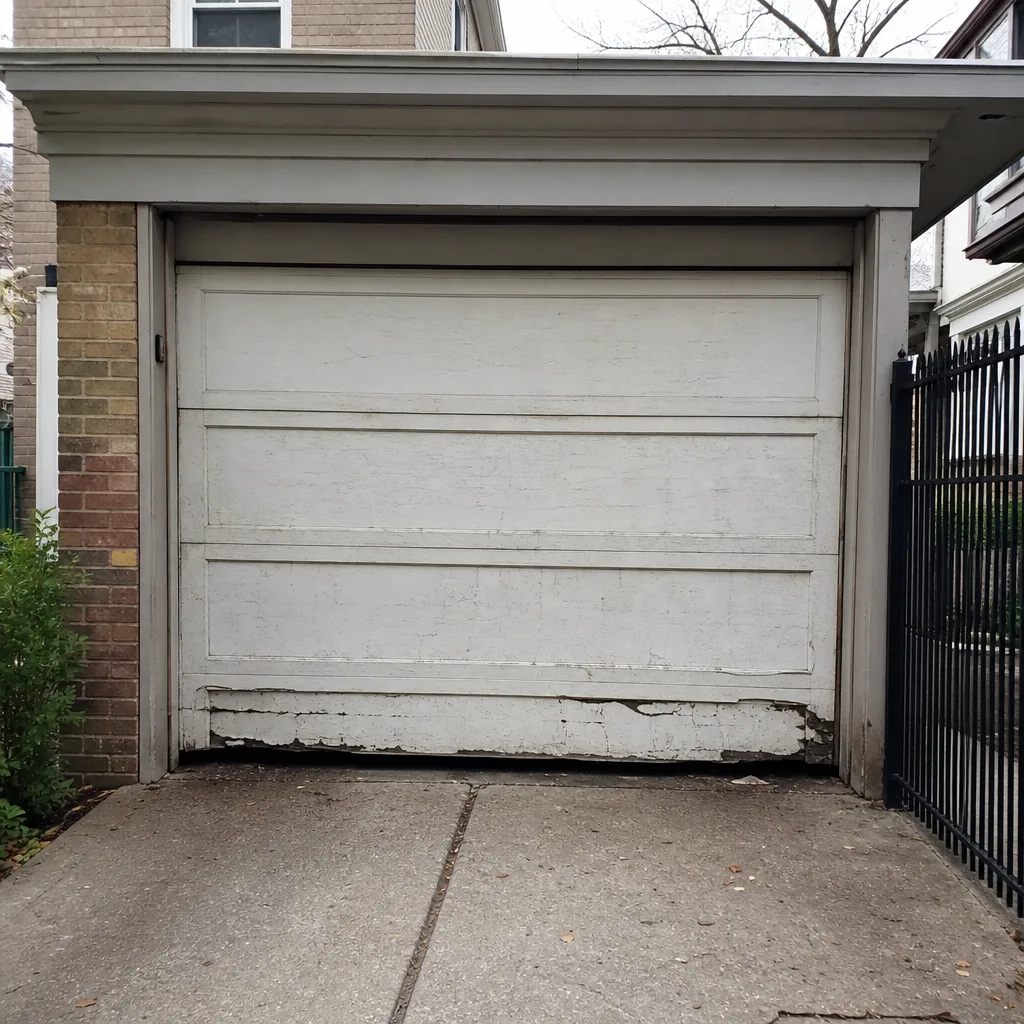
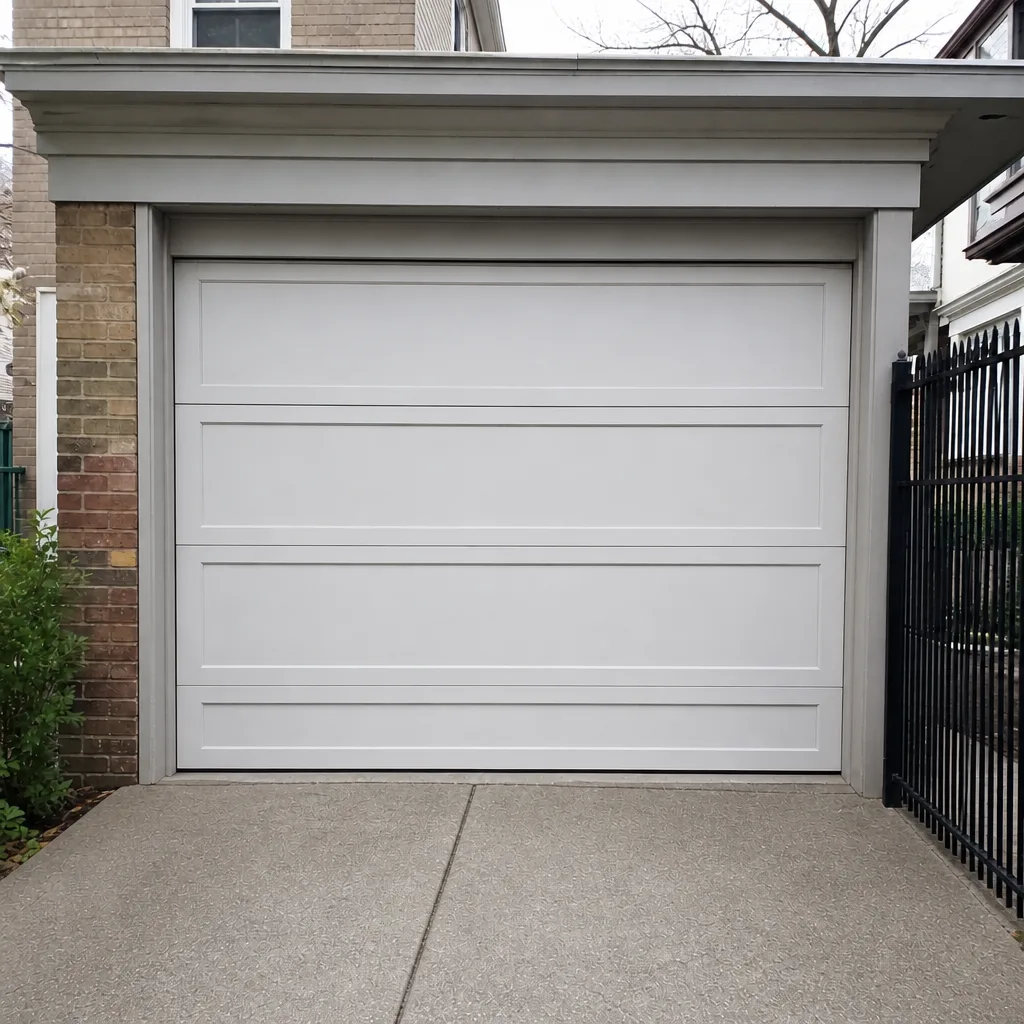
See the difference
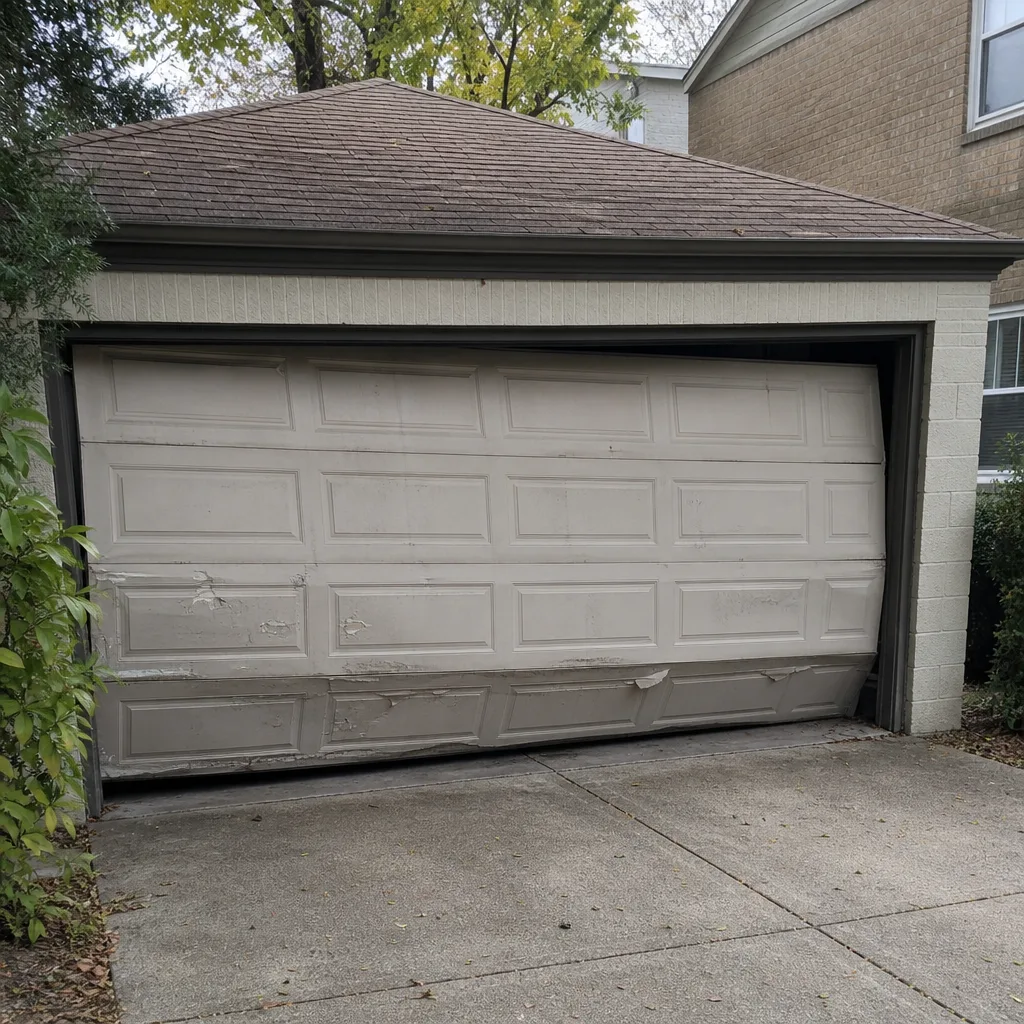 Before
 After
 Before
 After
 Before
 After