
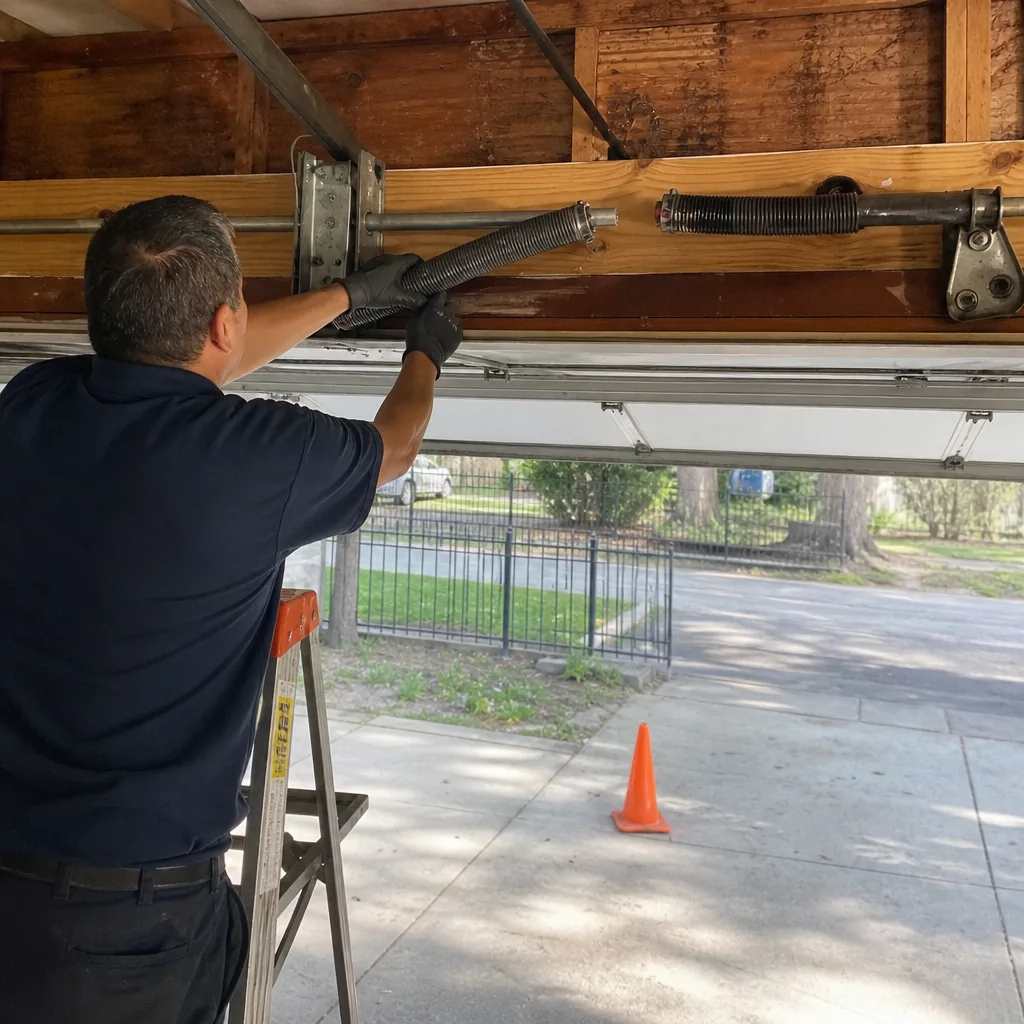
Last updated November 21, 2026
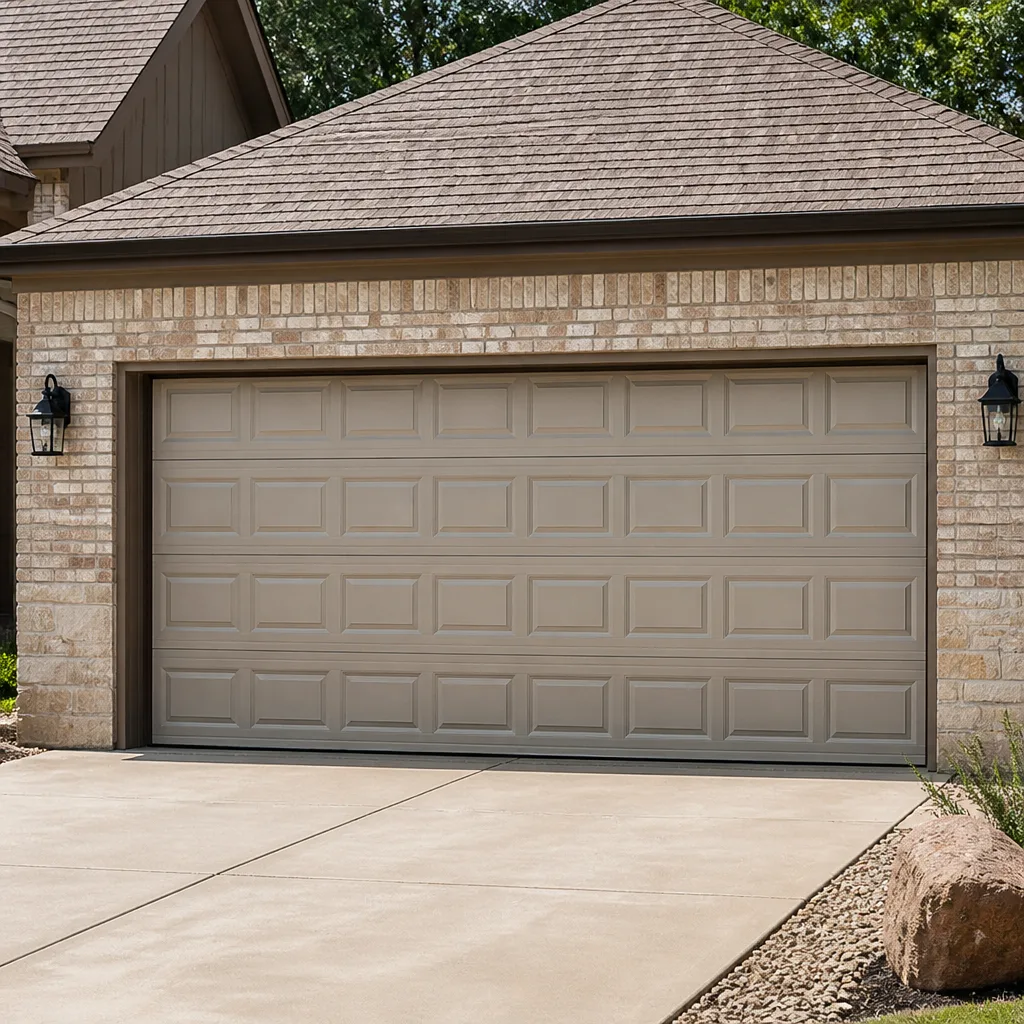 Raised-panel steel
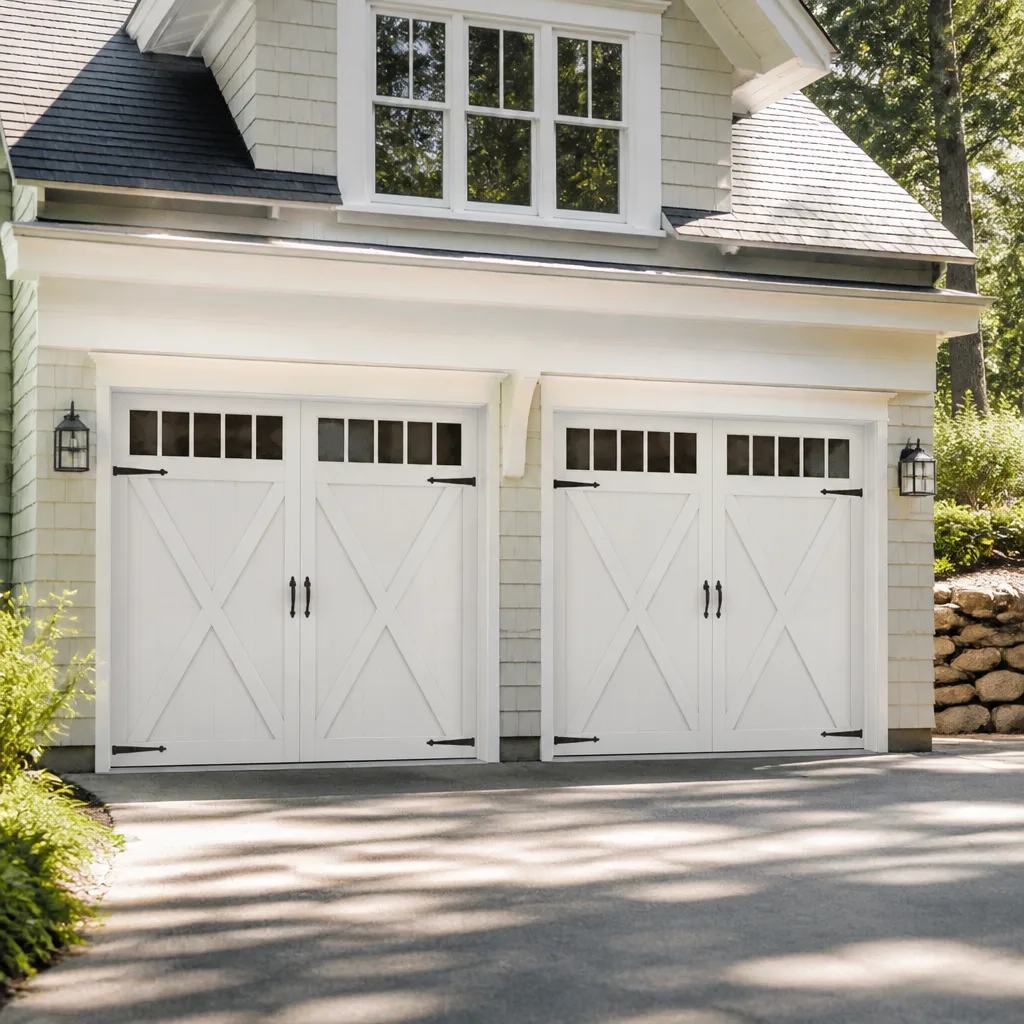 Carriage house
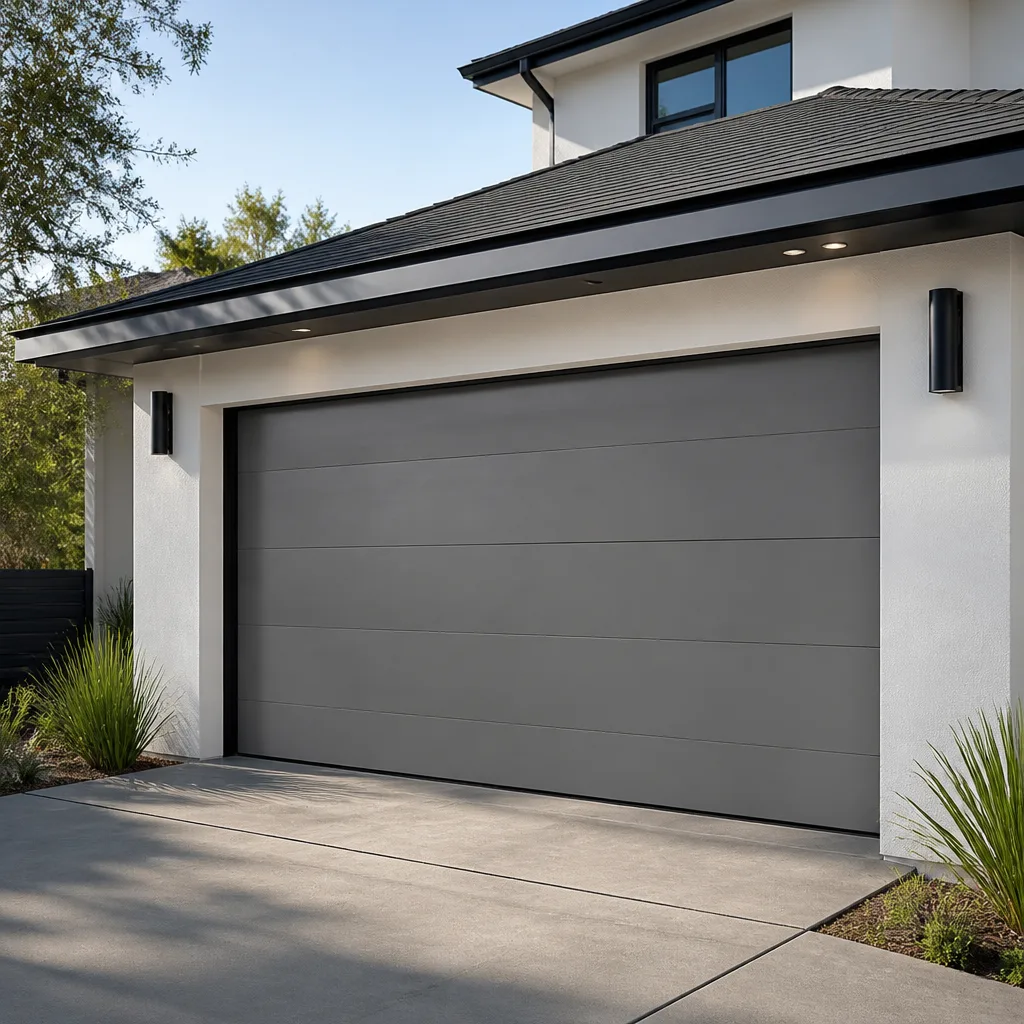 Modern flush
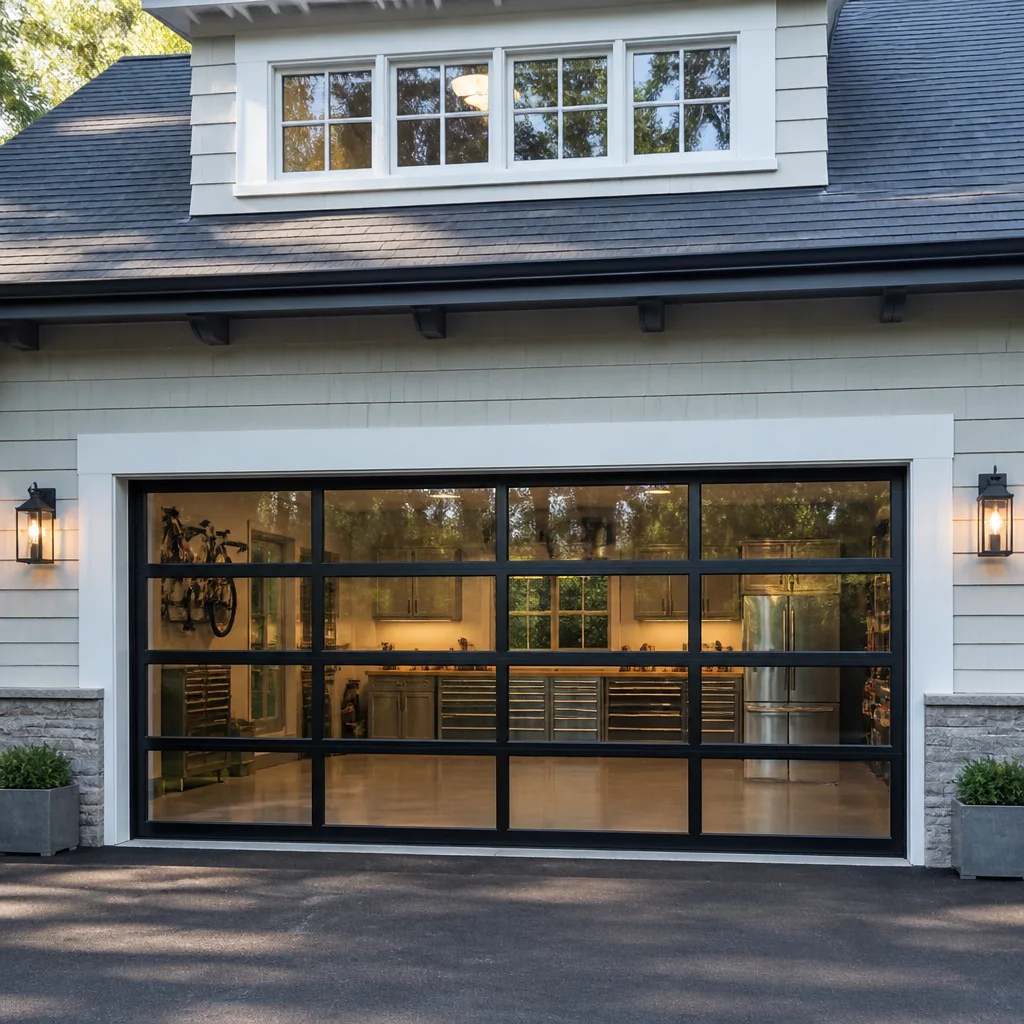 Full-view glass
 LiftMaster openers
 Chamberlain openers
Full 25-point door and opener safety check with every visit - springs, cables, rollers, tracks, and your LiftMaster or Chamberlain opener included
You get a price before we start. It does not change when the pro arrives.
Get your free estimateGarage Door Warning Signs: A Lincoln Park Homeowner’s Reference Guide
Most garage door advice tells you to watch for the obvious: a door that won’t open, a snapped spring, a loud bang from the ceiling. By the time those show up, you’re not diagnosing anything. You’re calling for an emergency repair on a door that’s already down, often with a car trapped inside. The signals that actually matter arrive earlier, usually somewhere between 30 and 90 days before a part gives out. They’re quiet. A half-second pause before the door moves. A sound that’s slightly wrong in a way you can’t quite place. This guide covers those early signals in detail, including how to tell apart problems that sound nearly identical but need completely different repairs, and what Chicago’s freeze-thaw cycle does to a door in Lincoln Park. Mention Lincoln Park once? No – we’ll be in it throughout, because the climate here makes some of these signs show up faster than they do in milder parts of the country.
Quick Answer
The earliest garage door warning signs in Lincoln Park are a brief hesitation before the door moves, a grinding or scraping sound during travel, a door that drifts down a few inches when you let go of it halfway up, and visible gaps or separation along panel seams and the bottom seal. Catching these in the 30-to-90-day window before failure usually turns an emergency repair into a scheduled one. Spring, cable, and opener problems all produce overlapping symptoms, which is why the sound profile and the door’s balance matter more than any single noise.
Styles & brands we work with
- Raised-panel steel
- Carriage house
- Modern flush
- Full-view glass
- LiftMaster openers
- Chamberlain openers
Table of Contents
- The Half-Second Hesitation: What It Means
- Opener Strain vs. Spring Balance: Telling Them Apart
- Cable Tension, Fraying, and What You Can Safely Observe
- Reading the Sound: Roller, Spring, or Hinge
- Why Uneven Travel Direction Is a Diagnostic Signal
- Panel Seams, Weather Seals, and Chicago’s Freeze-Thaw Cycle
- Seasonal Shifts in a Lincoln Park Garage Door
- Brand-Specific Quirks Worth Knowing
The Half-Second Hesitation: What It Means
A garage door that pauses for half a second before it starts moving is telling you something is dragging. That pause is the opener motor overcoming resistance before the door gets moving – resistance that shouldn’t be there. The door should start and stop smoothly, with the motor doing modest work over the whole travel. When the pause appears, the motor is typically compensating for something upstream: worn rollers, a binding track, or a torsion spring that’s lost tension.
Here’s what makes the hesitation such a useful signal. It’s the earliest symptom to appear and the easiest to dismiss. Homeowners in Lincoln Park describe it as the door “thinking about it.” It isn’t thinking. It’s building torque to move a load that’s gotten heavier than it should be.
What changes over time:
- Weeks 1-3: A brief pause, often unnoticed. The door otherwise travels normally.
- Weeks 3-6: The pause lengthens. The opener may sound louder at the start of travel than it used to.
- Weeks 6-12: The motor starts reversing on the way down, or the door stops partway and stalls. This is where a scheduleable repair turns into a call from the driveway.
The reason the pause matters more here than in many places is temperature swing. A door that hesitates slightly in a mild month will hesitate more on a 10-degree January morning, because cold thickens lubricant and contracts metal. A door already dragging in autumn becomes a door stuck in winter. If you’ve noticed the pause, our garage door repair Lincoln Park service is the right starting point – a diagnostic visit identifies the specific drag source before it fails.
Opener Strain vs. Spring Balance: Telling Them Apart
When a door struggles, the owner usually blames the opener. Very often the opener is the victim, not the culprit. The garage door spring system does most of the lifting, and the opener only guides the door along the track. When springs weaken, the opener takes on weight it was never designed to handle, and it strains, overheats, or fails. Replacing an opener on a door with weak springs just wears out the new opener.
A simple balance check tells you which side of that line you’re on, and you can do it with the door closed and the opener disconnected – or simply by lifting the door by hand from the closed position:
- Pull the emergency release cord to disconnect the opener from the door.
- Lift the door to about halfway open by hand.
- Let go.
A properly balanced door stays roughly where you left it, drifting an inch or less. A door that drifts down several inches or falls is telling you the springs aren’t holding their share. A door that’s extremely hard to lift by hand, or fights you the whole way, is telling you the springs are providing no lift at all. In either case, the opening job belongs to a trained technician, not to you at the top of a stepladder. Torsion springs are under high tension, and the wrong adjustment can release that energy in a way that causes serious injury. This is exactly the work we do – garage door repair that includes spring replacement, because the problem is usually there and not at the motor.
One more distinction worth knowing: an opener that’s actually failing usually shows itself with click-and-nothing, a blinking LED code on the motor housing, or a door that stops and reverses mid-travel with the springs doing their job fine. If your opener behaves that way, garage door opener repair is the specific service – and we work on the brand already in your garage, whether that’s LiftMaster, Craftsman, or any of the others we handle.
Cable Tension, Fraying, and What You Can Safely Observe
The lift cables are the pair of steel wires running from the bottom corners of the door up to the torsion drum or extension spring. They do the physical work of connecting the door to the spring system. A healthy cable runs straight and taut from bottom bracket to drum, sitting in its groove without slack, with the wire surface smooth and unbroken.
What you can observe safely, from the floor, without touching anything:
- Straightness: A cable that sags, bows, or hangs slightly slack when the door is closed is not under correct tension.
- Fraying: Look for whiskers, a fuzzy edge, or individual wire strands lifting out of the bundle. Any visible fraying means the cable is failing.
- Off the drum: A cable wound unevenly, or a section draped off the edge of the drum, will eventually jam or snap. This one deserves attention before you operate the door again.
- Discoloration at the ends: Wear often starts at the bottom bracket, where the cable meets the door.
What not to do: don’t touch the cable, don’t try to tighten it, and don’t try to re-seat it on the drum. Lift cables work with springs, and springs are held at high tension. This is one of the genuinely dangerous parts of the door, and it’s the zone where a trained technician is worth every bit of the visit. We handle cables as part of spring repair work, which is a service many generalists decline or outsource.
Reading the Sound: Roller, Spring, or Hinge
A garage door has four or five moving parts families, and each one makes a different noise when it fails. Learning the difference is probably the most useful diagnostic skill an owner can develop, because the sound usually tells you what’s actually wrong before anything else does.
Worn roller. A steady grinding or rumbling that starts the moment the door begins to move and continues through the whole travel. It’s a low, road-like sound. The pitch stays fairly constant. It comes from the roller bearings. If the sound gets worse over weeks, the roller is seizing and will eventually drag or break off its stem.
Worn torsion spring. A sharp, metallic twang or clink that happens at a specific point in the travel, then goes quiet. It might happen twice per cycle – once on the way up, once on the way down. Over time the clink becomes a rattle, and the door starts feeling heavier. Springs don’t fail slowly at the end; they usually snap cleanly, so the twang is your warning window, not a forecast of a gentle decline.
Dry hinge. A squeak or chirp at each hinge point, usually at the same interval as each hinge passes the track. It’s higher and more musical than a grinding roller. Dry hinges are the most fixable and the least urgent – but they can accelerate wear on the metal around the hinge if ignored for long enough.
Binding track. A scraping or grinding that’s uneven and location-dependent. It builds and fades as the door passes the bind point. It often accompanies resistance at that specific point in travel.
When you call for a technician visit, you can describe the sound very specifically: “a grind from the beginning throughout” or “a clink about halfway up” tells us more than “it’s noisy.” That description is what narrows the diagnosis before the technician even opens the track. Our technicians have up to 12 years of experience reading exactly these sounds on the equipment already in the garage.
Why Uneven Travel Direction Is a Diagnostic Signal
A door that opens smoothly but closes slowly – or the reverse – is telling you where the problem lives. The door’s mechanics differ in each direction. On the way up, the spring system does the lift and the opener mostly guides. On the way down, the spring is unloading while the opener controls the descent. A door that behaves differently going up and going down is telling you the resistance in one direction has changed.
Common patterns and what they usually mean:
- Opens fine, closes slowly or labors: The spring is fine on the lift, but the door is dragging on the way down. This usually points to worn rollers, a track alignment issue, or a binding hinge on the descent side.
- Opens slowly, closes fine: The opener or the spring system is under-compensating for the lift. Spring loss is the most common cause.
- Opens fast, slams closed: The springs are over-tensioned, or the balance is off. This is often a symptom of a repair that wasn’t set up correctly.
- Stops partway in one direction only: The opener is detecting resistance in that direction. It’s trying to tell you something is binding.
Slow closing is the one homeowners most often put up with. It’s not a minor annoyance; it’s the door describing where the drag is. If a door slows in one direction and not the other, it’s still a door that hasn’t failed – which is exactly the window to book a repair visit. Same-day service is often possible on garage doors that are still operational when you call. For anything involving a full garage door installation, though, that’s a measured, ordered, and scheduled job – we promise a free measure and a written price, not a same-day turnaround.
Panel Seams, Weather Seals, and Chicago’s Freeze-Thaw Cycle
Every garage door panel is made of segments, and every segment meets the next at a seam. In a mild climate those seams are mostly a cosmetic detail. In Lincoln Park, they’re a diagnostic tool. Chicago’s freeze-thaw cycle is the hardest stressor most garage doors see. Water gets into the seam on a warm day, freezes overnight, expands, and thaws. Repeat that a few dozen times through a winter and the seam starts to open.
What a panel seam separation can look like:
- A visible gap, narrow but continuous, between two panels
- A slight misalignment where one panel’s edge stands proud of the next
- Paint cracking along the seam line, often in a straight vertical or horizontal run
- On insulated doors, a soft or hollow spot right at the seam edge
Those gaps are a structural signal, not just an aesthetic one. A separated seam lets in water, and water is what causes the panel to fail further. On a steel door, persistent water at the seam rusts the interior structure of the panel. On a Wayne Dalton or Clopay door, that interior is usually a foam core, which soaks up water and slowly loses its insulation value and its structural rigidity. A door with a separated seam is also less weather-tight, which you’ll notice as a draft or as frost at the bottom seal.
The bottom seal gets the same treatment. A weather seal that’s gone stiff or cracked will stop sealing. When it does, water runs under the door and sits on the floor of the garage, and any stored items sitting there get wet. A weather seal is a low-cost replacement, and it protects the rest of the door from water intrusion. Behind the seal is what matters structurally.
Seasonal Shifts in a Lincoln Park Garage Door
A garage door in Lincoln Park goes through more load changes over a year than a door in a stable climate. Winter cold contracts the metal, thickens the lubricant in the rollers, and stiffens the seal. Spring thaw brings water into any gap or crack in the door, the track, or the floor. Summer heat expands the metal again and can soften the seal. Fall is the season when everything that got loose over the summer becomes noticeable.
Two annual watch-points are worth building into your routine:
- First cold snap (late fall): Listen for the hesitation. A door that opened smoothly in October tells you how it likes the cold on the first freezing morning. If it hesitates, schedule a visit before the deeper winter cold arrives.
- First thaw (early spring): Check the seams and the bottom seal for water tracks and new gaps. Look at the cables near the bottom bracket for discoloration or whiskers.
Annual maintenance is not a thing we sell – we don’t run a maintenance plan. But an annual look at the door costs you half an hour and tells you whether a scheduled visit is worth booking. It’s the difference between a spring replacement at a scheduled time and a spring replacement on a morning when the car is stuck inside.
Brand-Specific Quirks Worth Knowing
Different garage door systems show their early warning signs in slightly different ways. Knowing your brand helps you know what to listen for, and it confirms that the technician actually knows your equipment.
Wayne Dalton. Doors with Wayne Dalton’s proprietary torsion system can show spring wear as a subtle height change before anything audible shows up – the door sits a little higher or lower than usual at the closed position. If your door has a visible height difference from side to side, the springs are a likely starting point.
Craftsman. Opener units in the Craftsman line often report strain first as an intermittent stop-reverse on the descent. That behavior shows up before any sound, because the opener’s safety sensors pick up on the resistance. If your Craftsman unit has started reversing on its own, the opener is fine and the door is dragging.
LiftMaster. LiftMaster openers frequently carry a battery backup, and a fleet of other features. A unit that beeps unexpectedly or looks like it’s resetting is often responding to a sensor or a safety circuit, not a door problem. The way it behaves on normal travel tells you whether the door is involved.
Raynor. Raynor doors are common on older Lincoln Park homes, and the early signs tend to be metal-on-metal clicks at the specific point in travel where the torsion drum turns. Those clicks tend to be spring or drum related, not the door panels.
These are not invented quirks – they’re the patterns our technicians see most often across the brands we service. We work on the brand already in your garage. LiftMaster, Chamberlain, Genie, Clopay, Amarr, Wayne Dalton, Craftsman, and Raynor – we’re factory-familiar with all of them, so proprietary mechanisms aren’t a discovery process on the day of the visit.
Common Mistakes to Avoid
- Blaming the opener for a spring problem. Replacing an opener on a door with weak springs just means the new opener gets worn out faster. Balance-check the door before you shop for a motor.
- Treating slow closing as a minor annoyance. It’s a diagnostic signal. A door that closes slowly is telling you where the drag is, and the fix is usually cheaper and simpler than waiting for the door to stop entirely.
- Spraying WD-40 into the torsion spring or the cable. Lubricant on a tension spring or cable is the wrong idea – it doesn’t fix tension loss and can attract grit. Lubricant belongs on the rollers and hinges, not on the springs or cables.
- Ignoring panel seam separation because the door still opens. In Chicago’s freeze-thaw cycle, a separated seam keeps taking in water every time it thaws, and the failure works its way through the panel even while the door runs normally.
- Letting a door hesitate through one winter. Autumn hesitation becomes winter sticking. Booking a visit in October, in Lincoln Park, costs far less stress than a February call from the driveway with a car trapped inside.
- Forcing a door that’s stuck mid-open. Pulling or pushing a stuck door can release the torsion spring or snap a cable under load. Leave the door where it is and call.
- Trying to adjust the springs or cables yourself. Springs are dangerous. This is exactly the work we do – and exactly the work that shouldn’t be attempted from a stepladder. Not every homeowner is being cautious when they decline to touch it; they’re being right.
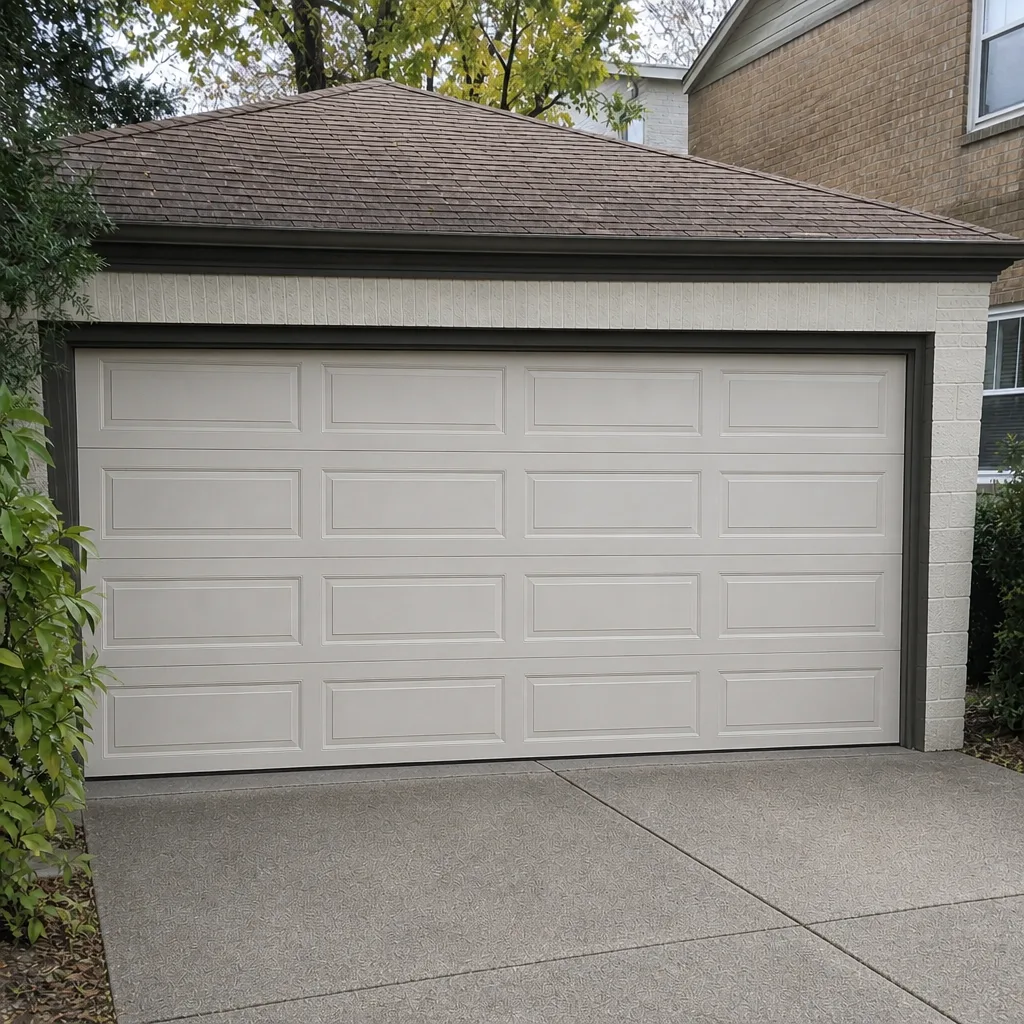
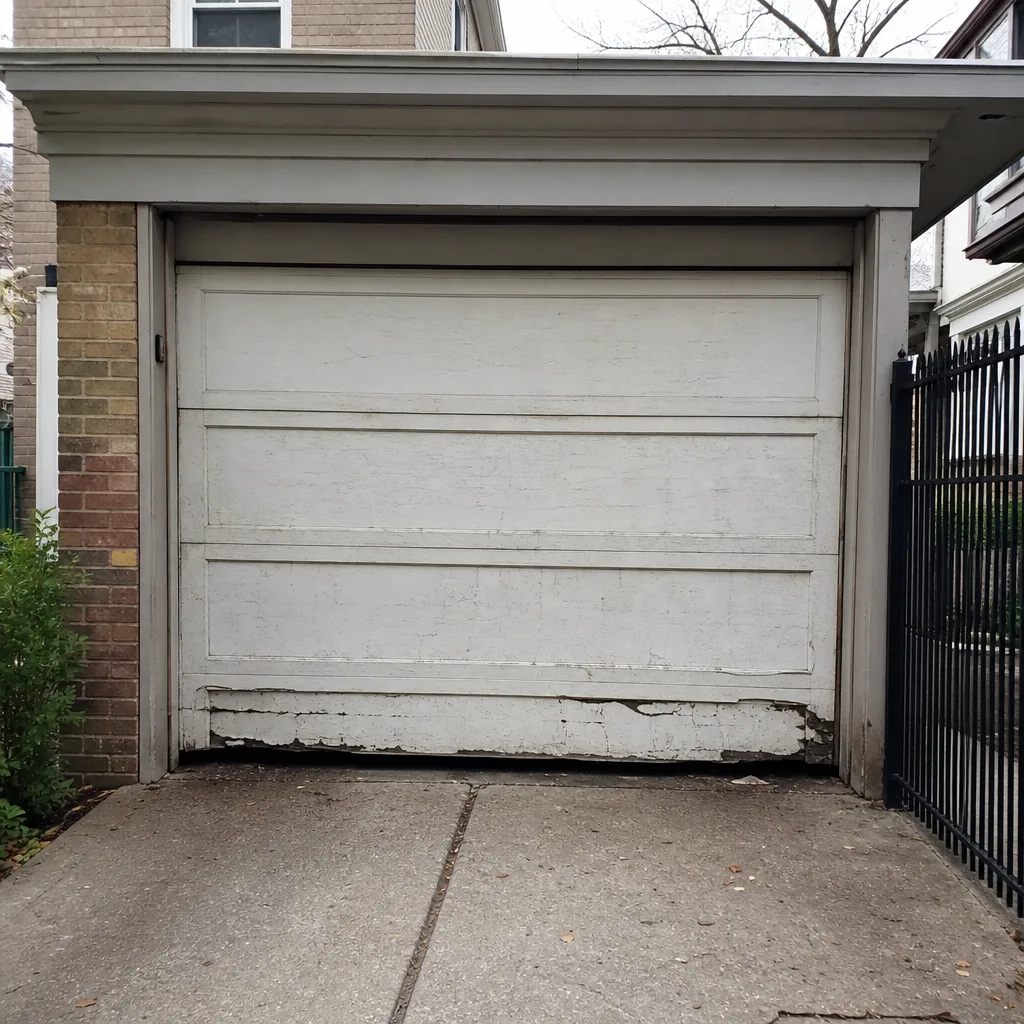
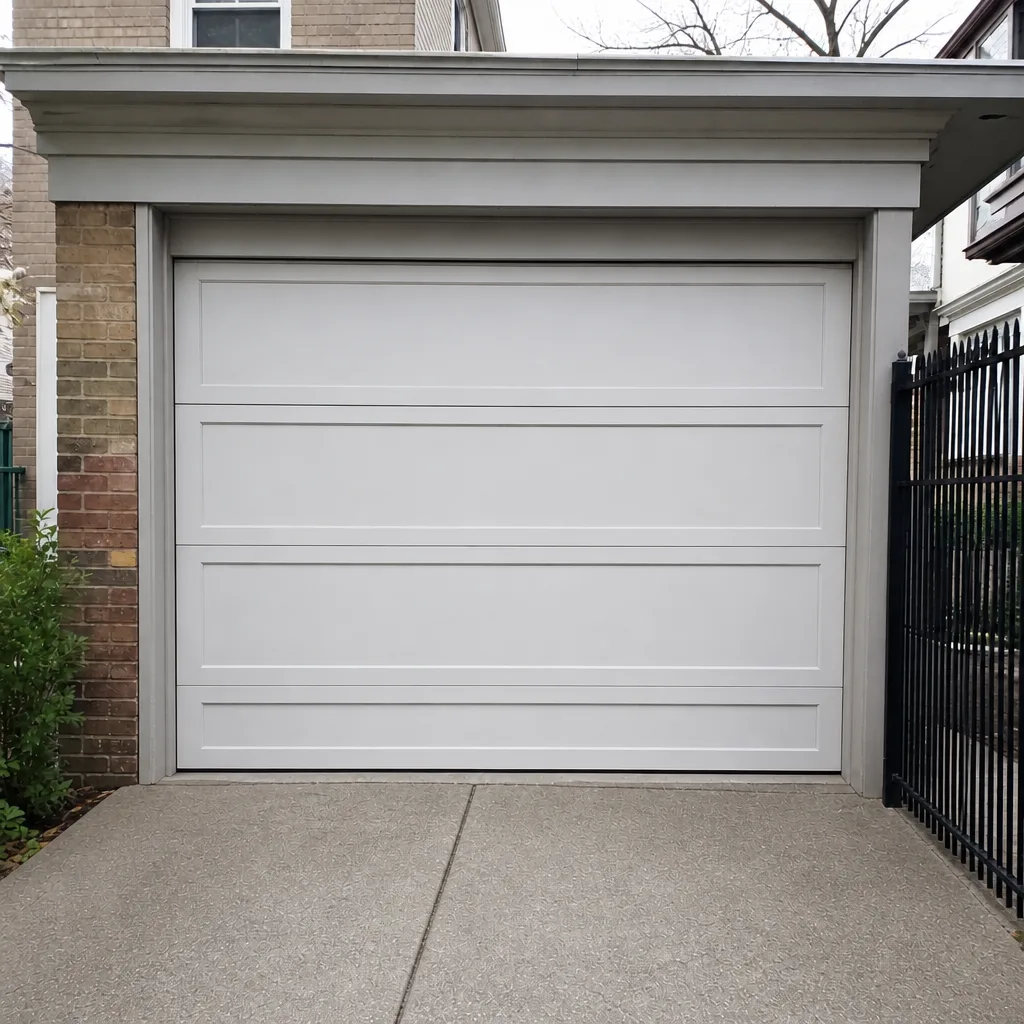
See the difference
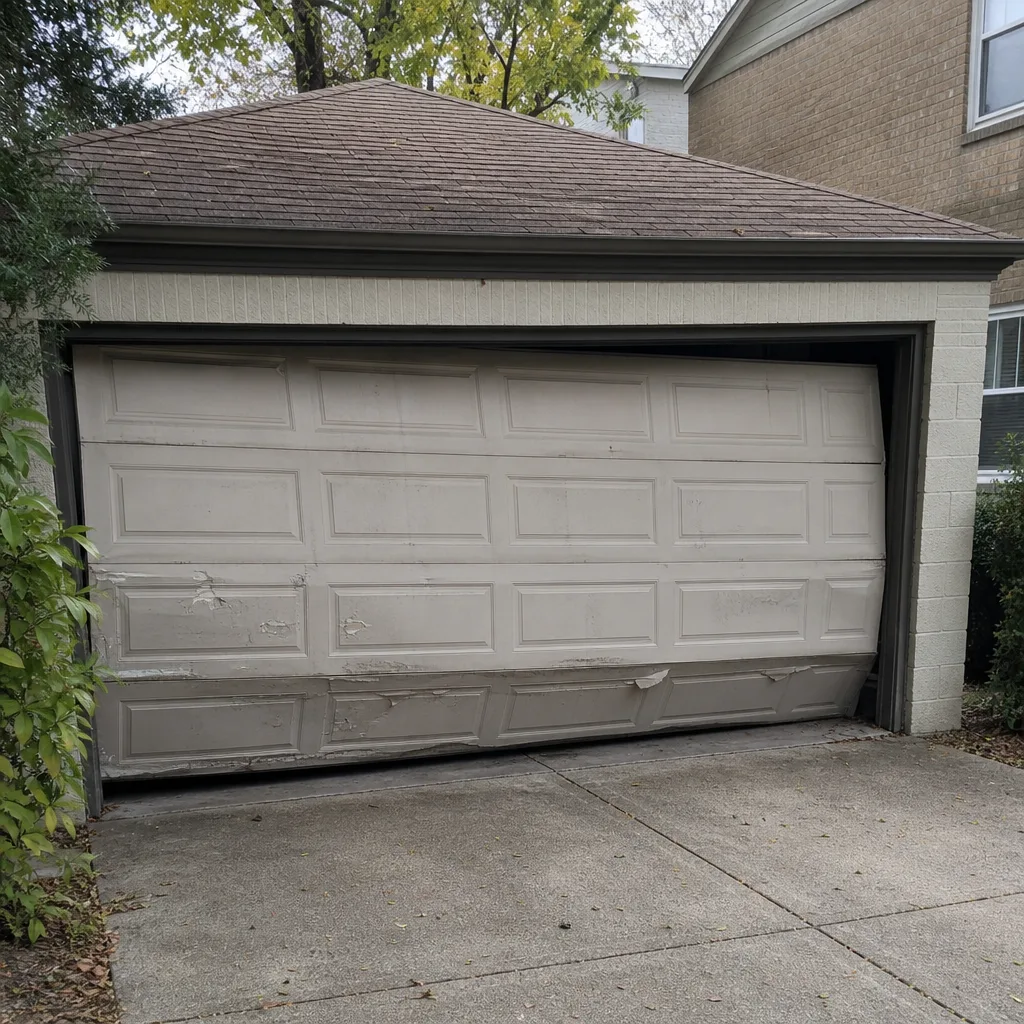 Before
 After
 Before
 After
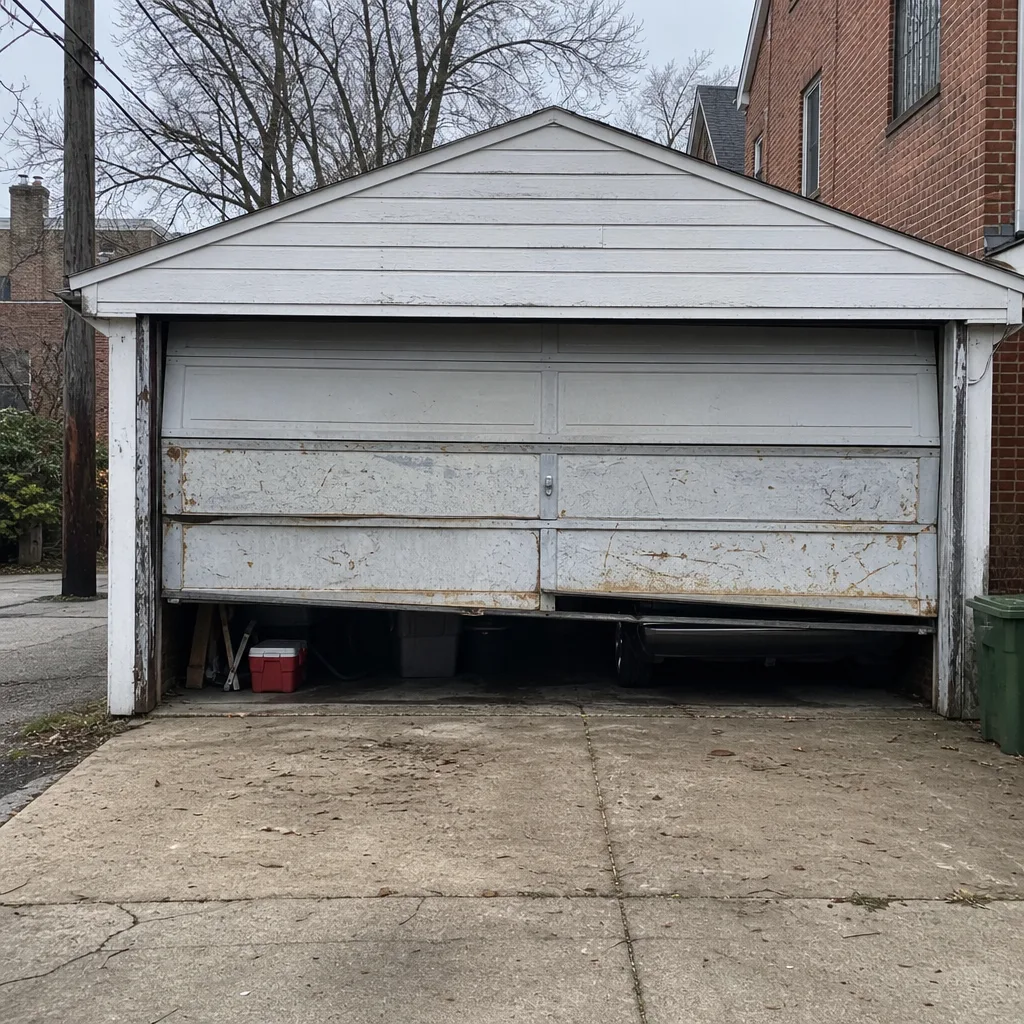 Before
 After
When to Call a Professional
Some warning signs clear up on their own and some don’t. Call us when the door hesitates in the first half-second of travel, when one direction of travel is noticeably slower than the other, when any cable shows fraying or slack, when a spring makes a metallic twang or clink, when panel seams show visible separation or the bottom seal has gone stiff, or when the opener is reversing, stalling, or showing a blinking code. A door that still works but has any of these signs is the right time for a scheduled visit. A door that’s stuck, off its track, or making a sharp crack is the right time for an urgent call. Garage Door Repair Lincoln Park offers free estimates in Lincoln Park – call (855) 658-5155. We answer 24/7, with fast dispatch from 7am to 7pm, Sunday through Friday.
Frequently Asked Questions
The earliest signs are a brief half-second hesitation before the door moves, a grinding or scraping sound during travel, a door that drifts down more than an inch when you let go of it halfway open, and visible gaps or separation along panel seams or the bottom seal. These tend to show up 30 to 90 days before a part actually fails. Catching them in that window turns a likely emergency call into a scheduled repair – call (855) 658-5155 for a free estimate.
Check the balance first. Disconnect the opener and lift the door by hand to about halfway. If it drops or drifts more than an inch, the springs aren’t holding their share and the opener is compensating. If it stays put but the opener stalls, reverses, or shows a blinking LED code, the opener is the problem. Call (855) 658-5155 and describe the behavior – we can narrow it down before the visit.
No. Lubricant doesn’t fix tension loss, and spraying a tension spring or cable doesn’t resolve the sound – it can attract grit and worsen wear. Lubricant belongs on the rollers and hinges only. Sound from the springs or cables is a reason to book a visit, not a reason to open the can. Call (855) 658-5155 for a free estimate.
Chicago’s freeze-thaw cycle is the biggest factor. Water enters panel seams and seals on warm days, freezes overnight, expands, and thaws, which slowly opens seams and stiffens the bottom seal. In Lincoln Park specifically, the wide temperature swings make October hesitation a clear early warning for winter sticking. Catching seams and seals in late fall prevents a lot of cold-weather problems. Call (855) 658-5155 to book a look.
No. The price is quoted and agreed before any work begins, based on the written estimate from the visit. If the diagnosis turns up a bigger issue than expected, we present the revised written quote and you approve it before any work continues. The written estimate sets the final price. Call (855) 658-5155 for a free estimate.
Spring replacement is priced per spring, and most doors with two springs are replaced as a matched pair, so a pair costs about twice the price of one. Every job is priced by the written estimate, and the estimate is free. Call (855) 658-5155 to book a visit and get the exact price for your door.
The Bottom Line
The warning signs that matter most are the ones you’d never call warning signs: a half-second hesitation, a sound that’s slightly off, a door that closes a little slower than it opens. Those signals show up 30 to 90 days before a failure, and they’re your window to schedule a repair instead of making an emergency call. In Lincoln Park, the freeze-thaw cycle makes panel seams and seals part of that early-warning system, and the autumn hesitation is the one to catch before winter. Watch the door, listen to it, and call when something has changed – that’s the whole method. We work on the brand already in your garage, from the opener to the panel to the hardware, and we can supply the parts as well as fit them. Garage doors only, at every stage.
Contact
If something in this guide sounds familiar, call (855) 658-5155 for a free estimate. Tell us what the door is doing – the hesitation, the sound, the direction it’s slow, or the gap at the seam – and we’ll book a visit. We answer 24/7. Fast dispatch from 7am to 7pm, Sunday through Friday. Our technicians have up to 12 years of experience working on LiftMaster, Chamberlain, Genie, Clopay, Amarr, Wayne Dalton, Craftsman, and Raynor systems. The written estimate sets the final price, and the estimate is free.
Written by the team at Garage Door Repair Lincoln Park.