
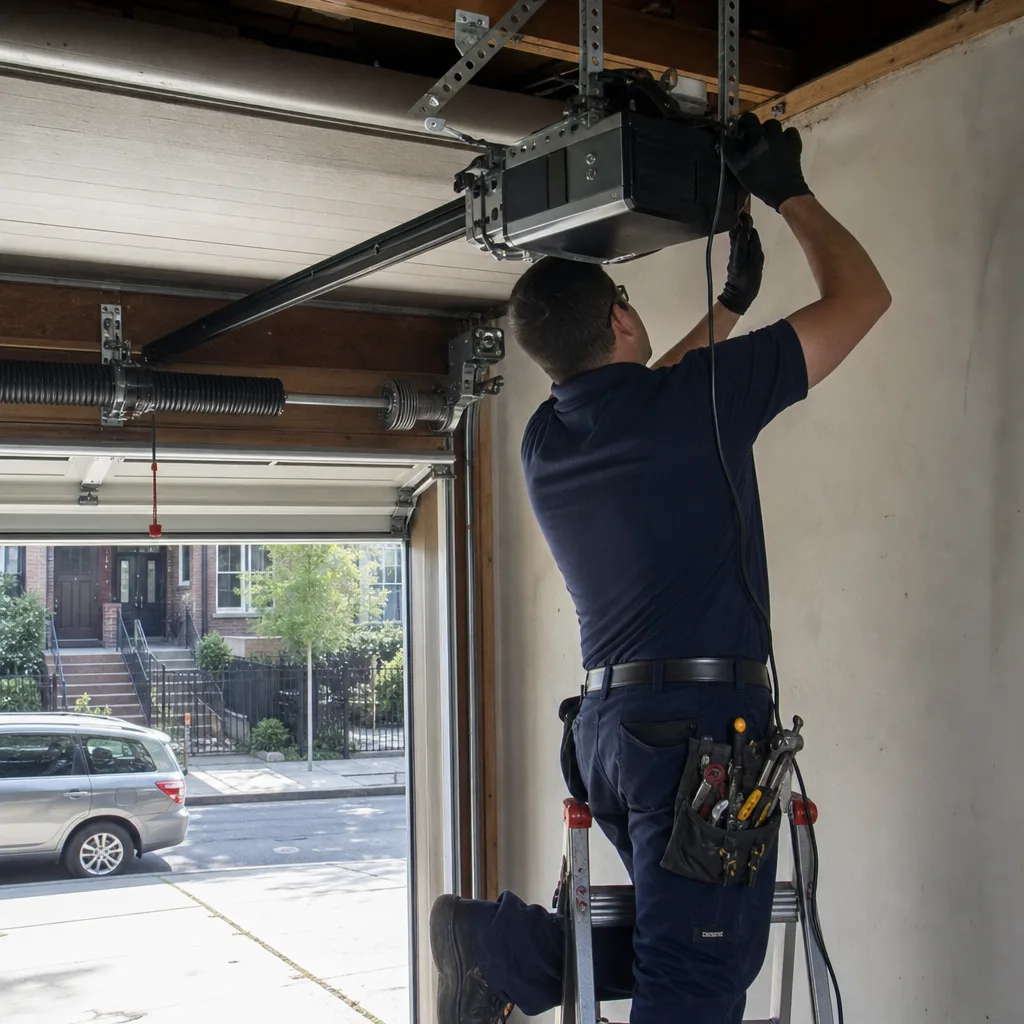
Last updated November 21, 2026
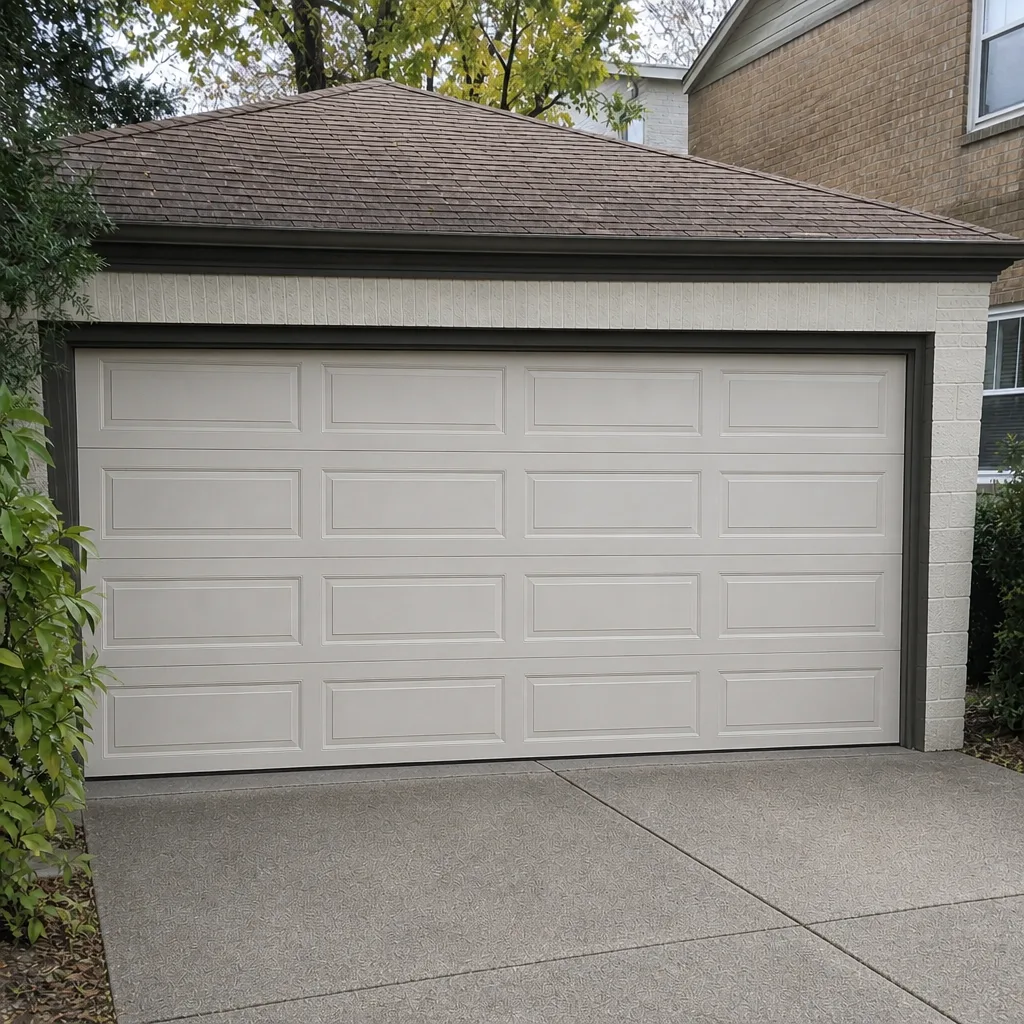
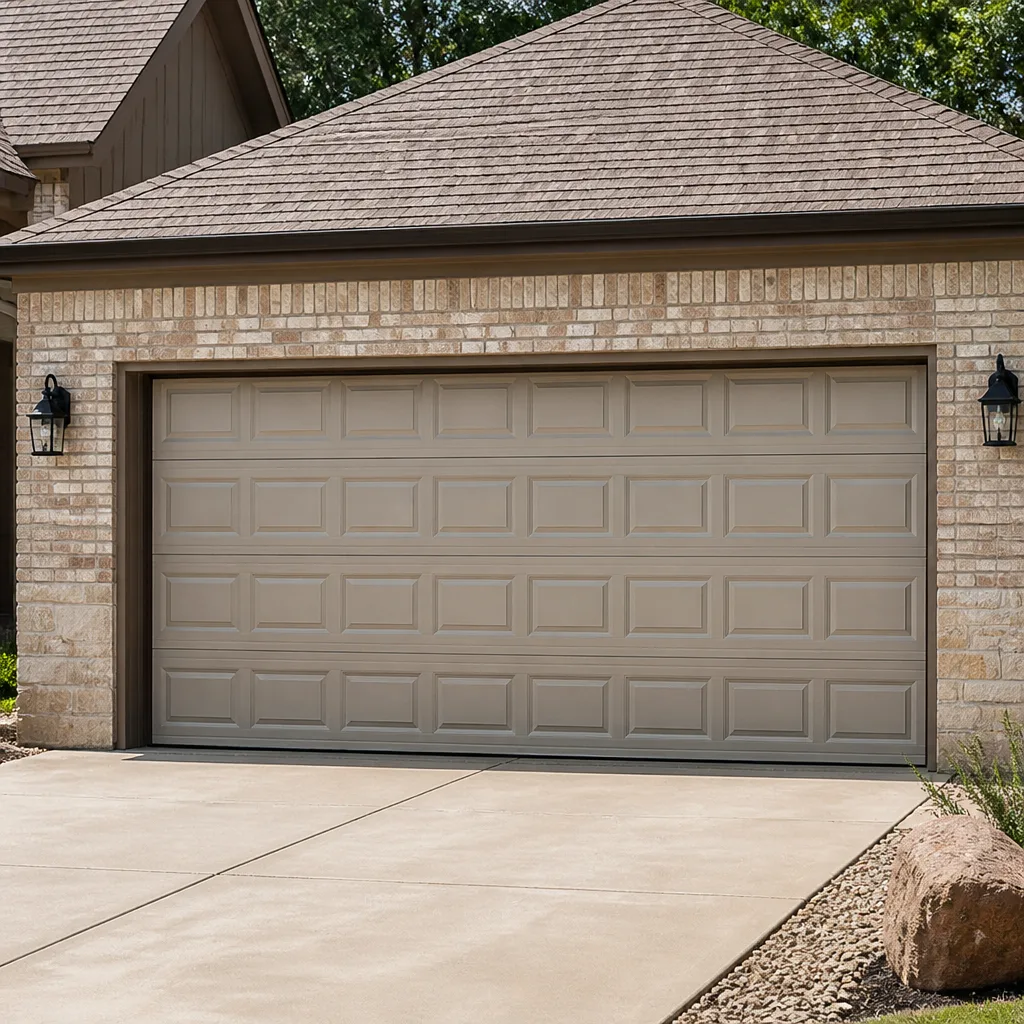 Raised-panel steel
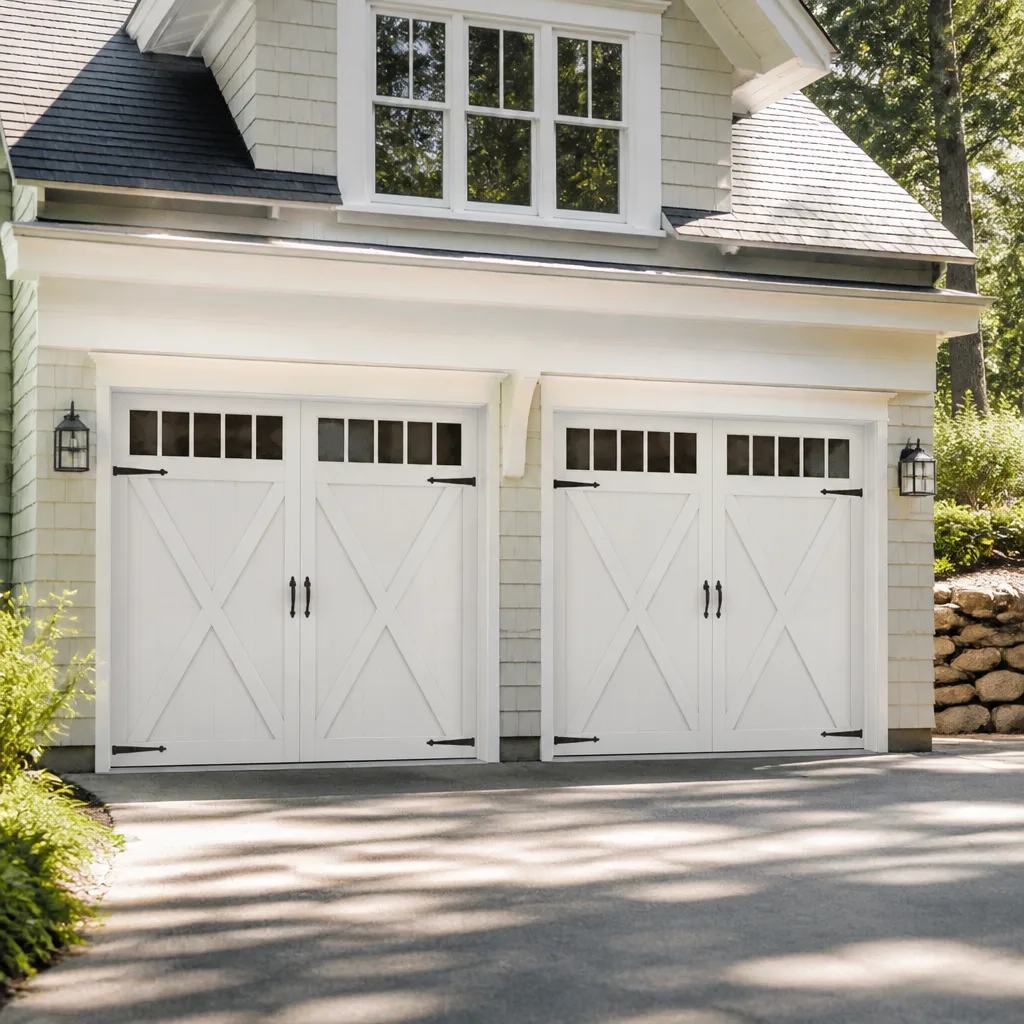 Carriage house
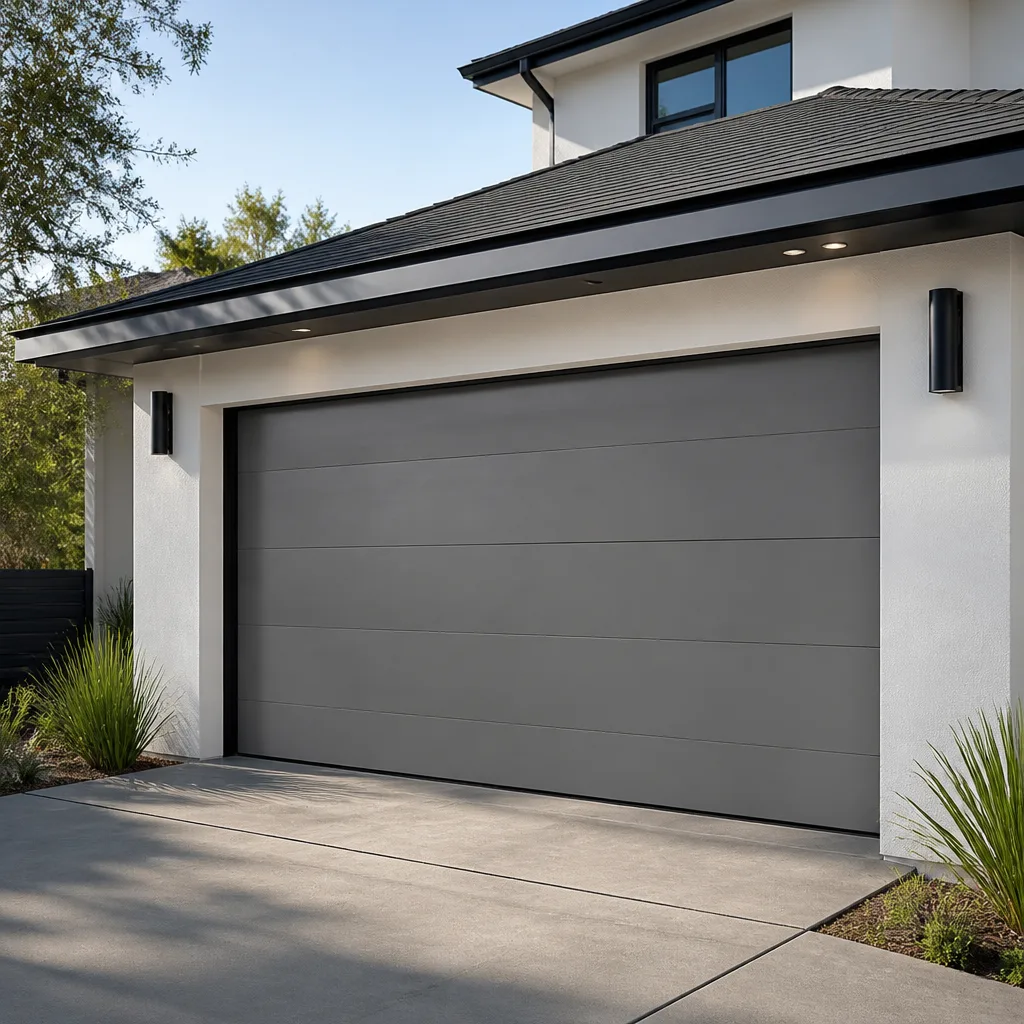 Modern flush
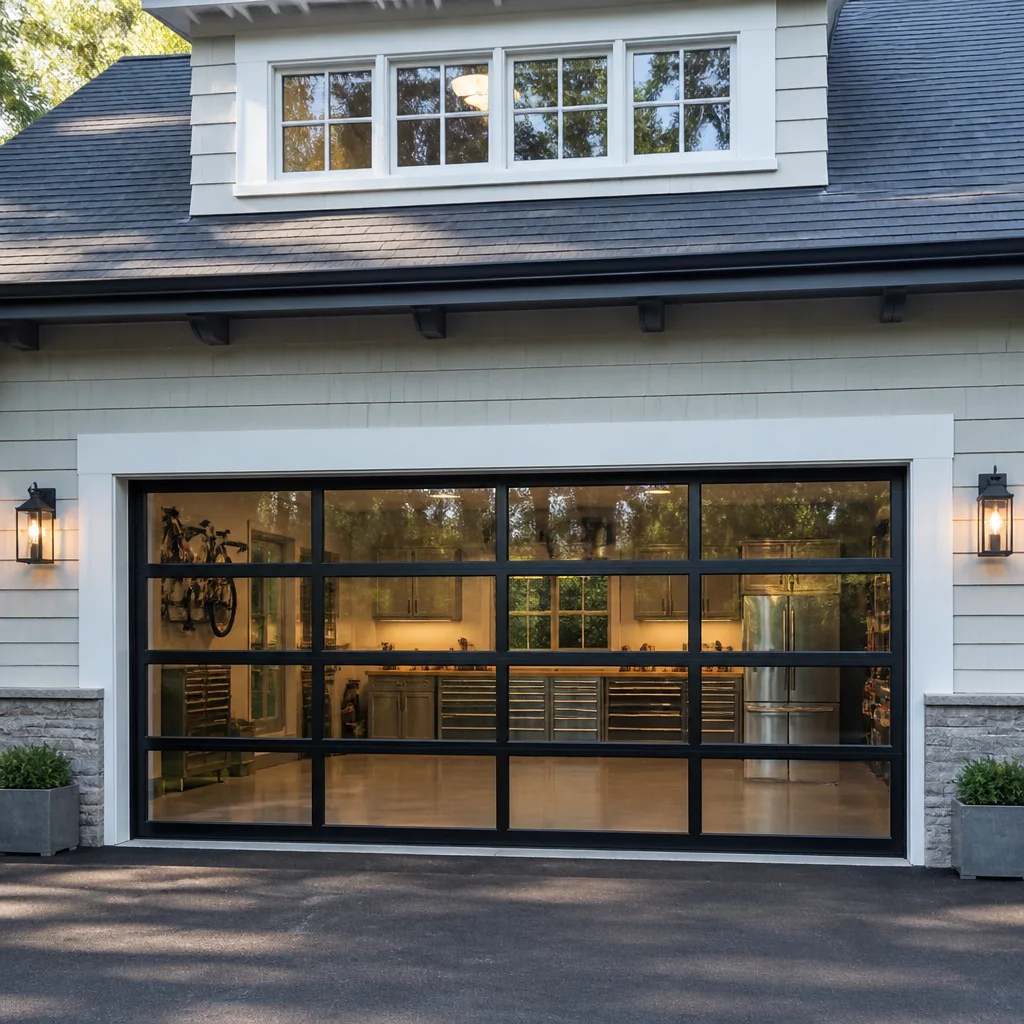 Full-view glass
 LiftMaster openers
 Chamberlain openers
Full 25-point door and opener safety check with every visit - springs, cables, rollers, tracks, and your LiftMaster or Chamberlain opener included
You get a price before we start. It does not change when the pro arrives.
Get your free estimateSeasonal Garage Door Care for Lincoln Park: Year-Round Homeowner’s Guide
Most homeowners assume winter is what breaks a garage door. In our experience across Lincoln Park, the busiest spring-repair weeks come after the cold, not during it. A torsion spring that held maximum load through January and February sits at its most brittle just as the thaw arrives, and the rapid temperature swing of a Chicago March changes the tension in that metal faster than the season before it. Cold weakens a spring. The warm-up is what snaps it. That distinction matters because it changes how you care for the door. Each season loads a different part of the system, and a routine that treats all four the same leaves one failure mode untouched every year. This guide walks through what each season actually stresses, what to check, and what to leave to a trained technician.
Styles & brands we work with
- Raised-panel steel
- Carriage house
- Modern flush
- Full-view glass
- LiftMaster openers
- Chamberlain openers
Quick Answer
Garage door care in Lincoln Park should follow the seasons, not a generic checklist. Winter strains the opener motor through thickened grease and stiff springs, spring thaw shifts concrete and track alignment, summer humidity attacks wood sections and steel hardware, and fall is when a full balance and tension check pays off before the cold returns. The single most useful habit is to inspect in early spring and again in late fall, when the two biggest load shifts happen.
Table of Contents
- Why Lincoln Park Seasons Stress Different Parts
- Winter: Cold, Grease, and Opener Strain
- Spring: The Post-Freeze Inspection Sequence
- Summer: Humidity, Wood, and Hardware Corrosion
- Fall: Pre-Winter Prep That Actually Matters
- Alley-Facing Doors and Grit Buildup
- How Often to Replace Rollers and Cables
- What to Check and What Never to Touch
- Common Mistakes to Avoid
- When to Call a Professional
- Frequently Asked Questions
- The Bottom Line
Why Lincoln Park Seasons Stress Different Parts
A garage door is a balance of opposing forces: springs pulling up, gravity pulling down, an opener nudging the whole thing along. Change the temperature or the humidity and you change every one of those forces at once. Lincoln Park sits close enough to the lake that its air holds more moisture through summer than suburbs farther west, and its winters bring the hard freezes that turn a well-lubricated mechanism into a stiff one. Those two facts alone mean the maintenance calendar here doesn’t look like the one printed on a generic door manual.
There’s also the matter of how Lincoln Park homes are built. Many garages here open onto alleys rather than streets, and that changes what a door is exposed to. A door facing an alley takes grit, gravel dust, and winter road debris from a direction a front-facing suburban door never sees. That grit works its way into rollers, hinges, and tracks, and it wears parts on a different schedule. If you’re already noticing a door that drags or shudders, that’s often the first sign, and it’s worth a look at our Garage Door Repair Lincoln Park page for how we approach the diagnosis.
What follows breaks the year into four load periods. Each one has its own failure mode, its own inspection, and its own tasks that are worth doing versus tasks that just fill a checklist.
Winter: Cold, Grease, and Opener Strain
Cold doesn’t break a garage door by itself, but it makes every part work harder. Metal contracts, springs stiffen, and the grease inside hinges and rollers thickens. When that grease goes from slick to sludgy, the opener has to push against more resistance on every cycle, and that added strain is what quietly ages a motor over a single season.
The key factor is a lubricant’s viscosity at low temperature. Thick grease that flows fine at 50°F can turn nearly solid below 10°F, and that’s when an opener draws noticeably more current to move the same door. A light synthetic lubricant with good cold-flow characteristics holds its viscosity far better than heavy grease, which is why we recommend it for hinges, rollers, and the spring and bearing plates. Look for a formulation rated to stay fluid in low temperatures rather than a general-purpose grease meant for warmer climates.
Winter checks worth doing:
- Listen to the opener. A motor that strains, groans, or hesitates on the first lift of a cold morning is fighting friction, and the fix is often lubrication rather than a new opener.
- Test the balance by hand. Disconnect the opener and lift the door halfway. A balanced door stays put. One that drifts down is carrying tired springs.
- Clear the bottom seal. Ice and packed snow under the seal can lift the door’s edge and let cold air in, and it stresses the opener on every closing cycle.
- Check the weatherstripping for hardness. Cold makes old rubber brittle, and brittle seals crack rather than flex.
A LiftMaster or Chamberlain opener with a belt or chain drive will usually tolerate a cold spell if the door itself moves freely. If it struggles, the door is the place to look first, not the motor. If a motor does fail in the cold, that’s a job for garage door opener repair rather than a patch.
Spring: The Post-Freeze Inspection Sequence
Spring is when most Lincoln Park torsion springs break, and the reason isn’t a mystery. A spring that carried maximum tension all winter is at its most stressed, and the first warm days change its tension quickly. That rapid shift is a lot to ask of metal that spent months under load. The thaw also moves the ground, which brings a second problem into the garage.
Frost heave is the slow lifting and settling of soil as it freezes and thaws, and it can shift a concrete garage floor or apron by small amounts over a season. That movement is enough to throw off track alignment and to open gaps under the bottom seal. You may notice it as a door that suddenly doesn’t sit flush, a seal that shows daylight, or a track that’s no longer plumb. None of those come from a worn part; they come from the ground beneath.
Run this inspection in order once the ground has settled:
- Look at the bottom seal with the door closed. Daylight or a visible gap means the seal is no longer meeting the floor, which may need the seal replaced or the door adjusted.
- Check the floor at the threshold. Cracks or a raised lip near the apron are a sign of frost movement.
- Stand back and look at the vertical tracks. They should be straight and parallel. A bowed or tilted track will make the door bind.
- Operate the door and listen for a scraping or catching sound, which points to a track or roller problem rather than a spring.
- Test balance by hand again. A spring that feels weak or a door that won’t stay up may need attention.
Springs are under high tension, and a broken one is dangerous to handle. This is exactly the work we do, and it belongs with a trained technician, never a homeowner with a winding bar. The same caution applies to any track straightening after frost movement, since a bent track under spring tension can be genuinely risky.
Summer: Humidity, Wood, and Hardware Corrosion
Chicago summers are humid, and a garage door feels that humidity on two fronts depending on what it’s made of. Wood sections absorb moisture and swell, then shrink again when the air dries. That swell-and-shrink cycle can loosen joints, open small gaps at seams, and warp a panel enough that it no longer runs smoothly in its track.
Steel doors have a different summer problem. In humid weather, warm daytime air meets cooler metal and condenses into moisture on hinges, rollers, and the track. Left alone, that condensation feeds the kind of small corrosion that seizes a hinge or stiffens a roller. It isn’t dramatic, but it accumulates over a season, and by fall a part that was fine in June is gummed up. A Clopay steel door, common in this area, will run for years with minimal rust if its hardware is kept lubricated and checked. Skip that and the hinges tell the story.
Summer upkeep is mostly about moisture management:
- Wipe hinges, rollers, and the track with a light lubricant designed to displace moisture, not a heavy grease that traps water against metal.
- Inspect wood door panels for swelling at the seams and any soft spots near the bottom edge, where moisture collects.
- Check that the garage ventilates. Trapped humid air is harder on a door than the outdoor air itself.
- Look at the bottom seal for mold or mildew, and replace a seal that’s stayed damp.
If the door was already showing wear, summer is a good time to plan a replacement rather than patch it, and our garage door installation page covers how that works in this market.
Fall: Pre-Winter Prep That Actually Matters
Fall is when the seasons change fastest, and it’s the best window to prepare a door for winter. Most fall checklists floating around are half useful and half filler. The case for a full balance check before heating season is strong, because it’s the one check that reveals both spring and opener problems before the cold exposes them. The filler tasks are the cosmetic ones that make a door look tidy without touching what fails in January.
Here’s what earns its place on a fall list:
- A full balance check. Disconnect the opener and test the door by hand. This tells you more about spring health than anything else you can do.
- A lubrication pass with a cold-rated product. What you put on in fall is what carries the door through winter, so the formulation matters more now than in summer.
- Track and roller inspection. Loose or worn rollers in October become a jammed door in January. Replace them before the cold sets in.
- Seal and weatherstrip check. Replacing a worn bottom seal before winter keeps ice and draft out and reduces strain on the opener.
What’s filler, in our view: polishing the door’s surface, oiling anything that isn’t a moving part, and tightening every visible bolt on principle. Some bolts are meant to hold a set position, and adjusting them without reason can throw a door out of alignment. The balance check and lubrication pass are what matter, and they’re worth doing properly.
Alley-Facing Doors and Grit Buildup
A garage door on a Lincoln Park alley is exposed to a very different mix than one facing a suburban driveway. Alley pavement holds loose grit, gravel dust, and the salt-free winter debris of a dense city block, and every opening of the door pulls some of it into the mechanism. That grit gathers in rollers, along the track, and in the hinge pivots, and it acts like a fine abrasive that wears parts faster than an indoor or sheltered door would.
The practical consequence is a shorter roller replacement interval. A door opening onto a clean drive might run its rollers for a long while before they show wear. An alley-facing door should be checked more often, since grit accelerates the point where rollers go from smooth to rough to squealing. If your door shudders when it opens or you hear a grinding from one side, grit in the roller is a likely culprit. Cleaning the track and replacing worn rollers is the fix, and a door that suffers this repeatedly may benefit from a tighter-fitting track profile.
It’s also worth checking the bottom seal more often on alley doors, since grit and debris collect at the threshold and can chew a seal from below. A seal that’s torn at the base is letting in both draft and debris.
How Often to Replace Rollers and Cables
Grit, humidity, and weight all shorten the working life of a garage door’s moving parts, and the two that matter most are rollers and cables. Rollers carry the door’s weight along the track, and cables hold the tension system together. Neither fails on a fixed calendar, but both give warning if you know what to look at.
Roller wear shows up as a door that runs rough, squeals, or wobbles in the track. Nylon or steel rollers both wear, and an alley-facing Lincoln Park door will reach that point sooner than a sheltered one. Check the rollers each season and replace them as a set when they feel rough or show flat spots. Cables need a visual check for fraying at the drum and the bottom bracket. A frayed cable is a safety problem and should be replaced before it fails. This is a task for a trained technician, since the cables work against the same high-tension springs that make spring work dangerous.
For the brands already in your garage, whether that’s a Raynor, a Craftsman, or something older, our multi-brand knowledge means we’re not guessing at how the parts fit together. We work on the brand that’s there and supply the right parts, so a worn roller or a tired spring doesn’t mean a run to a big-box store or a second vendor.
What to Check and What Never to Touch
Some parts of a garage door are safe for a homeowner to check, and some are not. Most seasonal tasks fall into the first group. The springs, cables, and bottom brackets fall firmly into the second, because they’re under high tension and can cause serious injury if handled without training.
Safe for a homeowner:
- Listening for strain, squeals, or scraping on each cycle.
- Testing balance by hand with the opener disconnected.
- Looking for daylight under the bottom seal.
- Wiping and lubricating hinges, rollers, and the track.
- Checking weatherstripping and the bottom seal for wear.
Leave to a trained technician:
- Anything involving the torsion or extension springs.
- Adjusting or replacing cables and the bottom brackets.
- Straightening or realigning the vertical tracks.
- Working on the opener’s drive gears or the door’s counterbalance.
If you have any doubt about a part, the safest move is to call and describe what you’re seeing. We’ll tell you whether it’s a check you can do or a repair we should handle.
Common Mistakes to Avoid
- Treating every season the same. A winter routine that ignores summer humidity leaves wood and steel doors to soak up moisture, and a summer routine that ignores cold-rated lubrication sets the opener up to strain in January.
- Using heavy grease in the cold. Grease that flows at 50°F can turn sludgy below 10°F, and that’s what makes an opener draw extra current.
- Greasing a track. The track should stay clean and dry, not lubricated. Grease in the track attracts grit, which is the last thing an alley-facing Lincoln Park door needs.
- Skipping the fall balance check. It’s the single best way to catch spring and opener problems before the cold exposes them.
- Assuming a sluggish door means a bad opener. In most cases the door is binding or the springs are weak, and a new motor won’t fix either.
- Ignoring frost heave. A door that suddenly won’t close flush in spring is often a seal or track problem from ground movement, not a worn part.
- Handling a spring yourself. This is exactly the kind of work that belongs with a technician, and it’s why spring repair is often declined by generalists.
When to Call a Professional
Call a technician when the door won’t stay up on a balance test, when you see a frayed cable, when the door binds or scrapes in the track, when the bottom seal shows daylight, or when the opener strains on the first cold cycle. Also call if a spring breaks, if the door has shifted after a thaw, or if you’re simply not sure what you’re looking at. Those are all situations where a trained eye saves time and avoids a larger repair. Garage Door Repair Lincoln Park offers free estimates in Lincoln Park. Our technicians have up to 12 years of experience, and we work on the brand already in your garage. From the opener to the panel to the hardware, we handle the full job. Call (855) 658-5155. We answer 24/7. Fast dispatch from 7am to 7pm, Sunday through Friday. The written estimate sets the price, and we agree on it before any work starts.
Frequently Asked Questions
Spring is when most torsion springs break, because a spring that carried maximum load all winter is at its most stressed and the thaw changes its tension quickly. Cold weakens a spring, but the warm-up is what usually snaps it. Call (855) 658-5155 for a same-day look if a spring has failed. Estimates are free.
Use a light synthetic lubricant with good cold-flow characteristics that stays fluid below 10°F. Heavy grease thickens in the cold and makes the opener strain. Apply it to hinges, rollers, and the spring and bearing plates, and keep the track itself clean and dry. Call (855) 658-5155 for an exact quote on a repair. Estimates are free.
Frost heave can shift the concrete floor or apron by small amounts over a season, and that movement can throw off track alignment and open gaps under the bottom seal. You may notice a door that doesn’t sit flush or a seal that shows daylight. A technician can check the track and adjust the door. Call (855) 658-5155 to book an estimate.
Grit from alley pavement gathers in rollers and along the track, and it acts like fine abrasive that wears parts faster than a sheltered door would. Cleaning the track and replacing worn rollers usually fixes the shudder, and alley-facing Lincoln Park doors often need rollers replaced sooner. Call (855) 658-5155 for an estimate.
There’s no fixed calendar, but alley-facing doors reach the wear point sooner. Check rollers each season and replace them as a set when they feel rough or show flat spots. Inspect cables for fraying at the drum and bottom bracket and replace a frayed cable promptly. Call (855) 658-5155 for an exact quote. Estimates are free.
No. The written estimate sets the price, and we quote and agree it before any work starts. What looks like a simple fix can turn out to involve a worn roller or a tired spring, so the estimate is where that gets sorted out. Call (855) 658-5155 for a free estimate.
Yes. The local pro connected to your job is licensed and insured as the state requires. Our technicians have up to 12 years of experience, and we work on LiftMaster, Chamberlain, Genie, Clopay, Amarr, Wayne Dalton, Craftsman, and Raynor equipment. Call (855) 658-5155 for a free estimate.
For repair work, yes: same-day service is available, and we dispatch Sunday through Friday, 7am to 7pm. We’re closed Saturday, and a call outside dispatch hours is booked into the next opening. For installation or replacement, we schedule a measure and written price instead. Call (855) 658-5155. We answer 24/7.
The Bottom Line
Lincoln Park’s seasons load a garage door in four different ways, and a routine that treats them the same leaves one failure mode untouched every year. Winter is about cold-flow lubrication and opener strain. Spring is about post-freeze alignment and the springs the thaw exposes. Summer is about humidity on wood and steel. Fall is when a full balance check pays off before the cold returns. Alley-facing doors add a grit factor that shortens roller life. Inspect in early spring and late fall, check what’s safe to check, and call a trained technician for anything involving springs or cables. Garage Door Repair Lincoln Park offers free estimates in Lincoln Park. Call (855) 658-5155. We answer 24/7. Fast dispatch from 7am to 7pm, Sunday through Friday.
Written by the team at Garage Door Repair Lincoln Park.
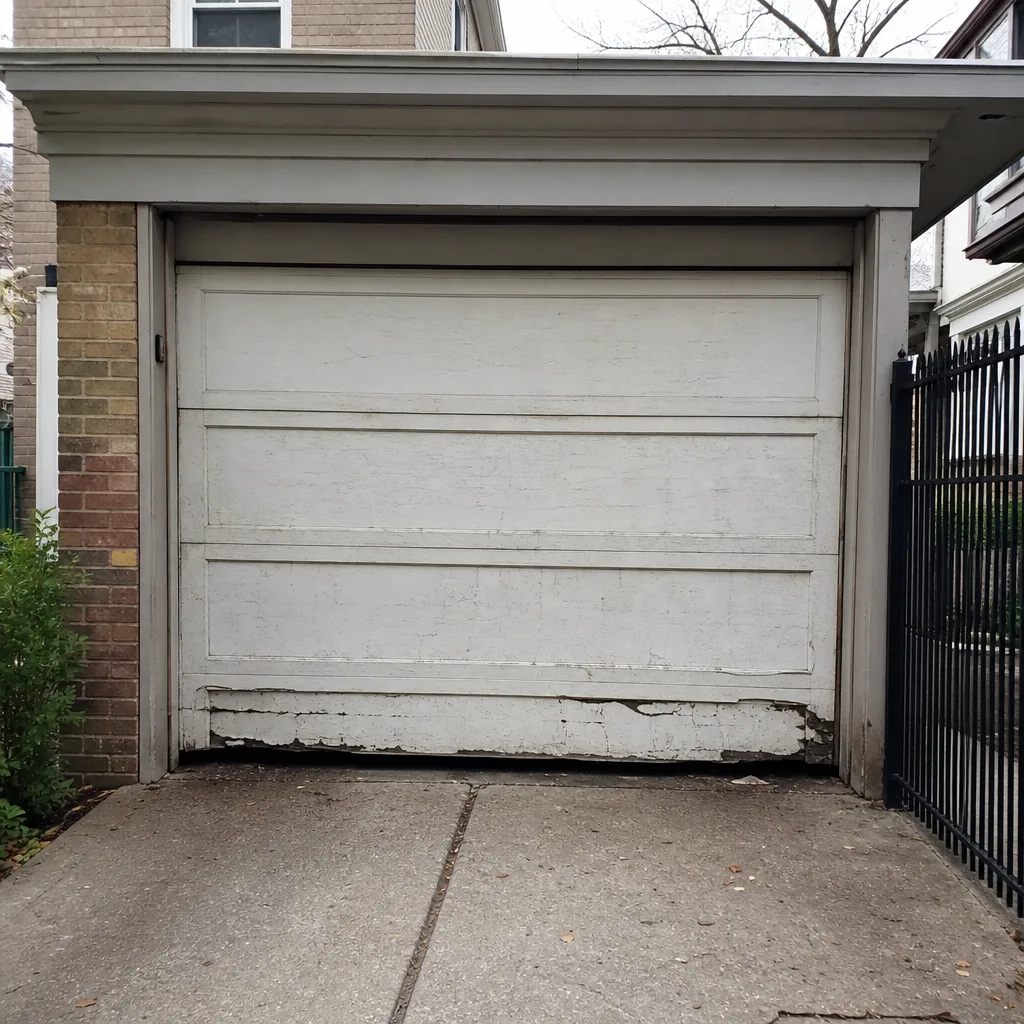
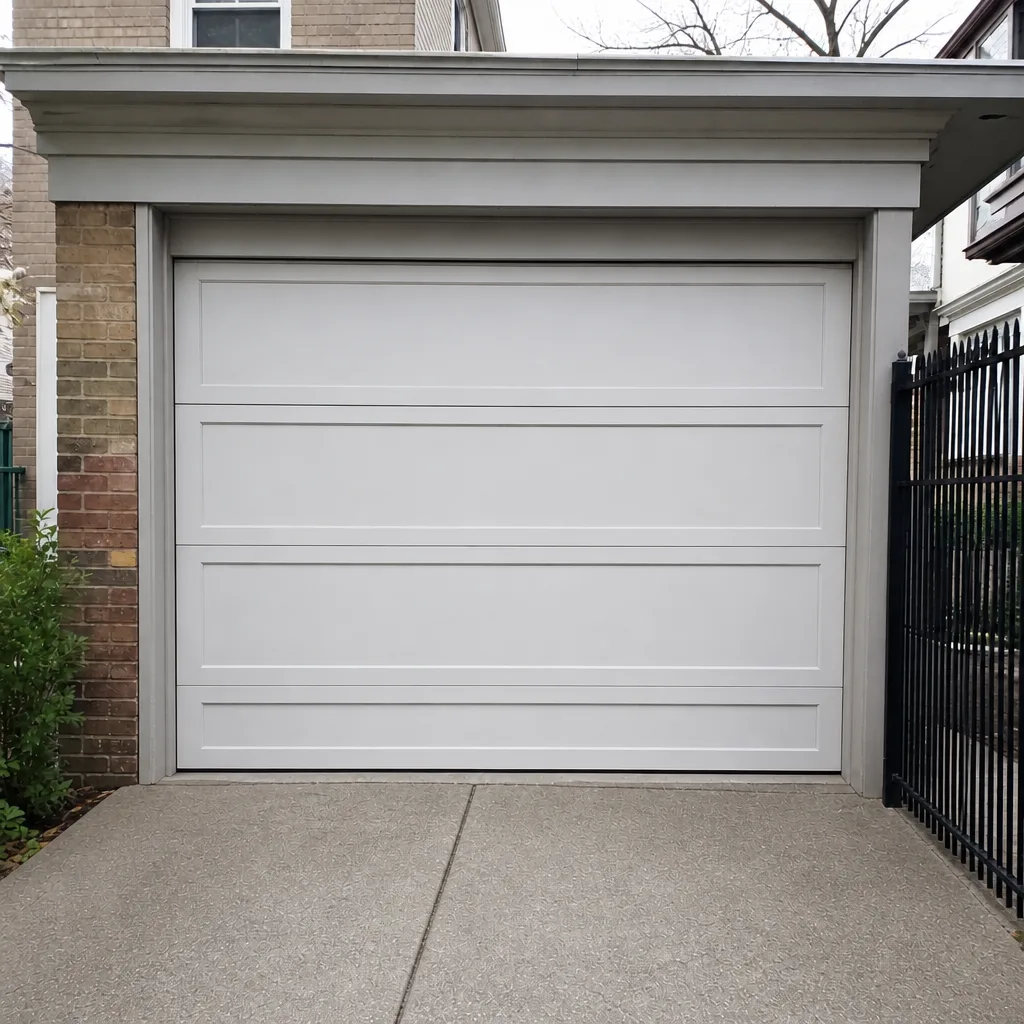
See the difference
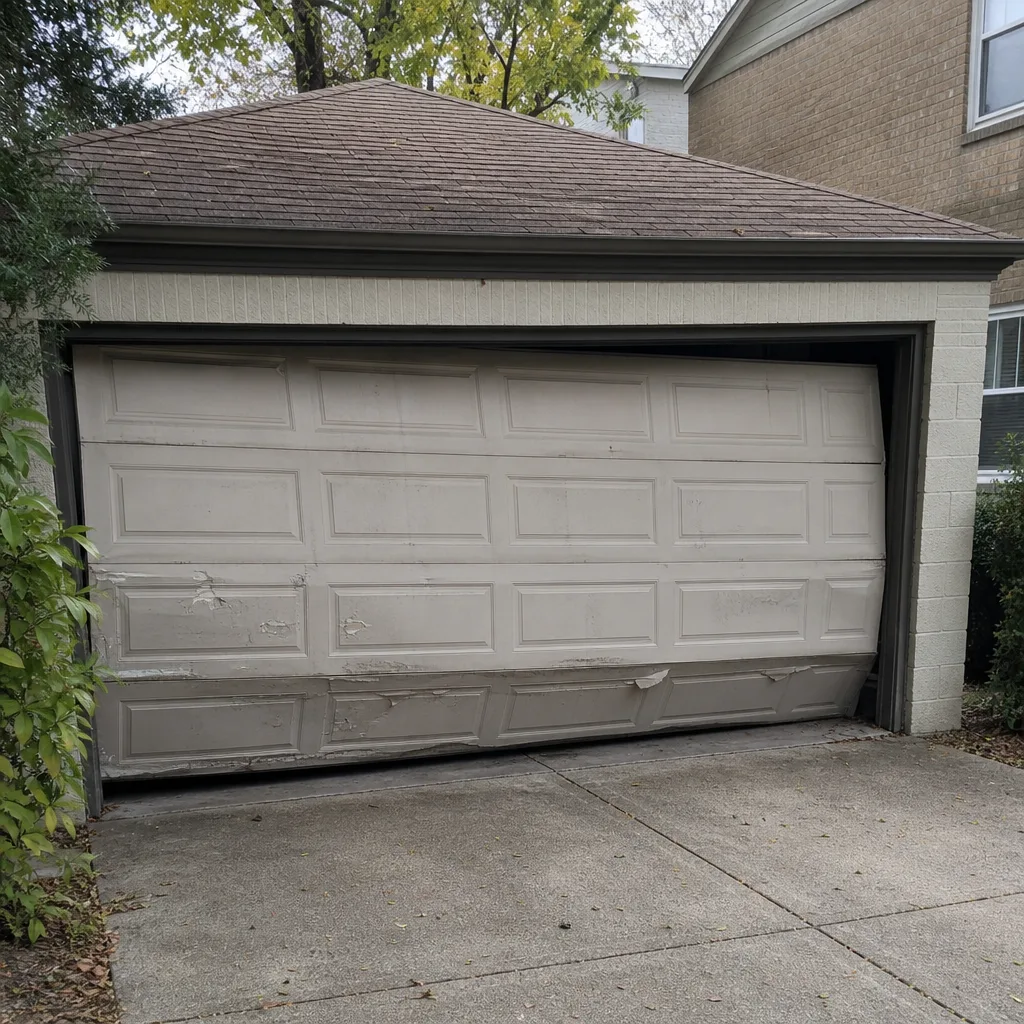 Before
 After
 Before
 After
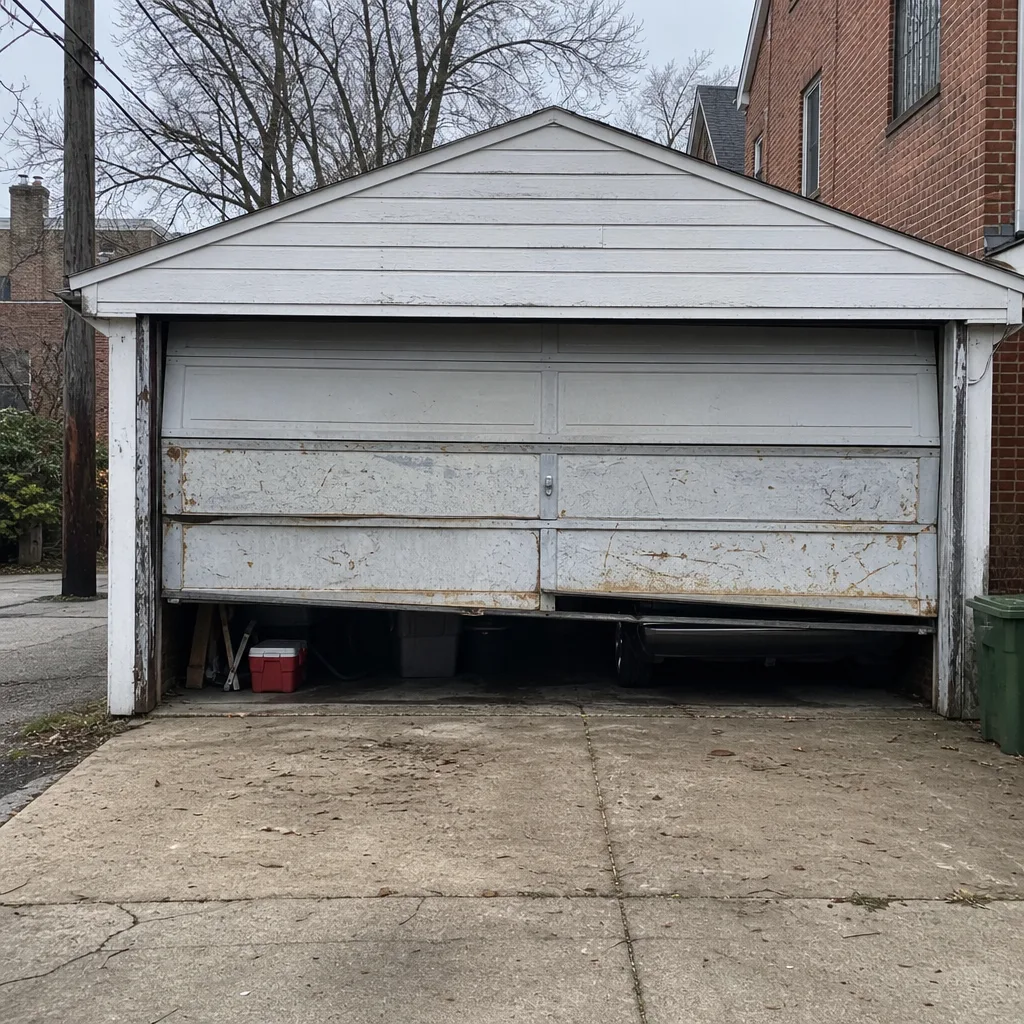 Before
 After