
Last updated November 21, 2026
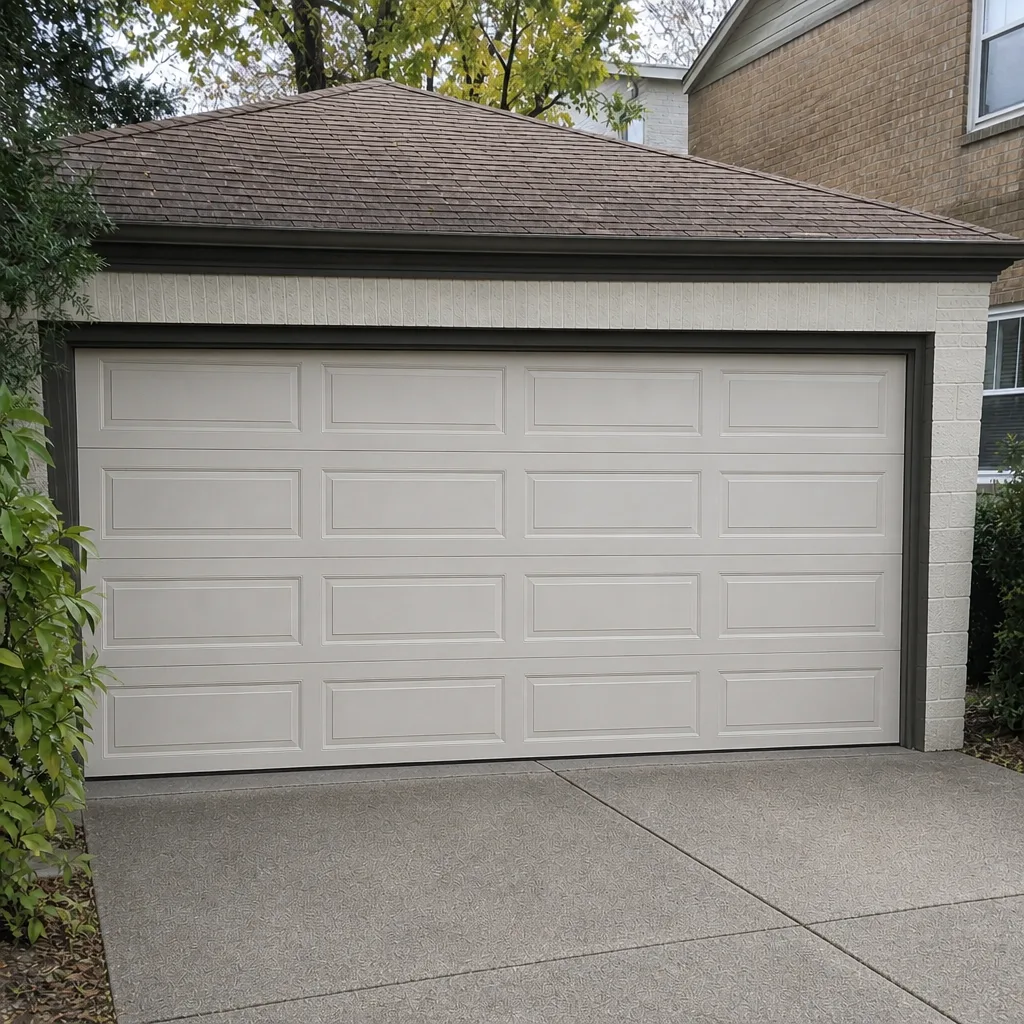
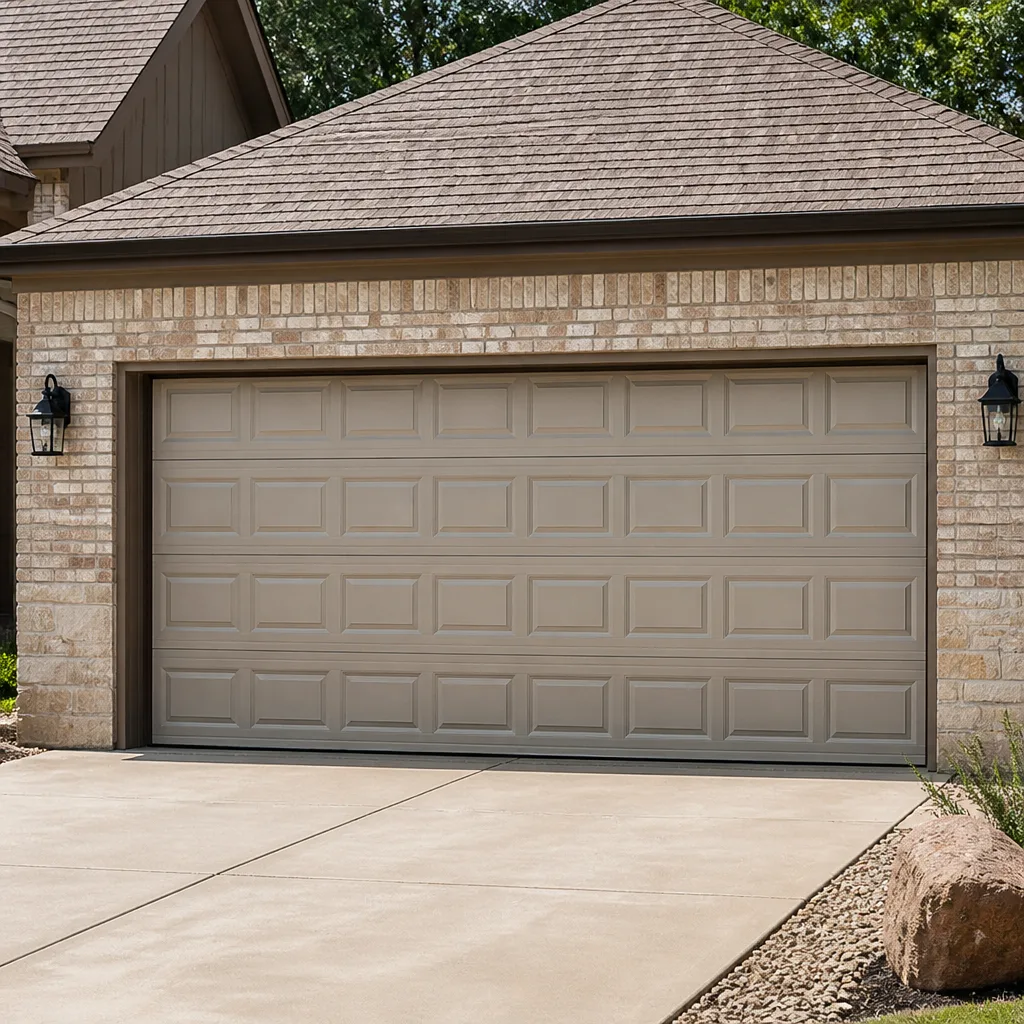 Raised-panel steel
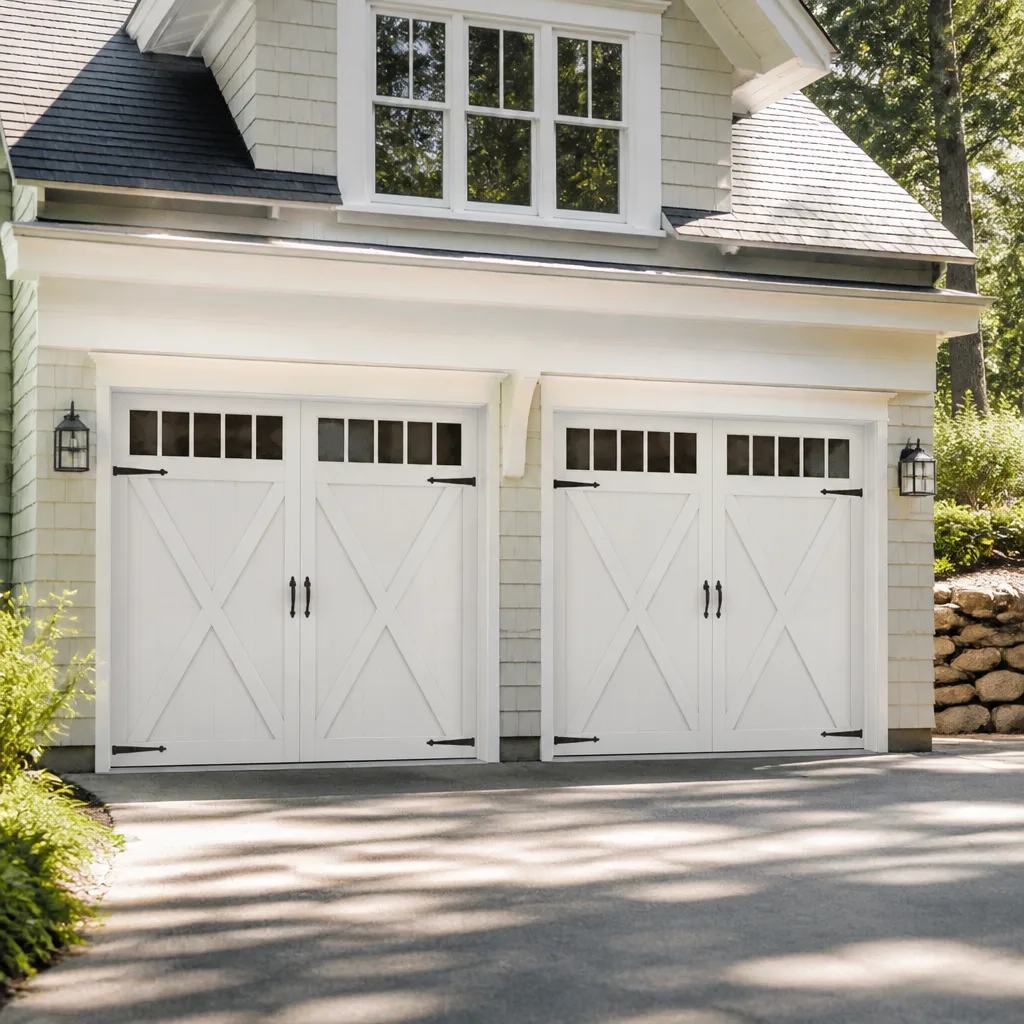 Carriage house
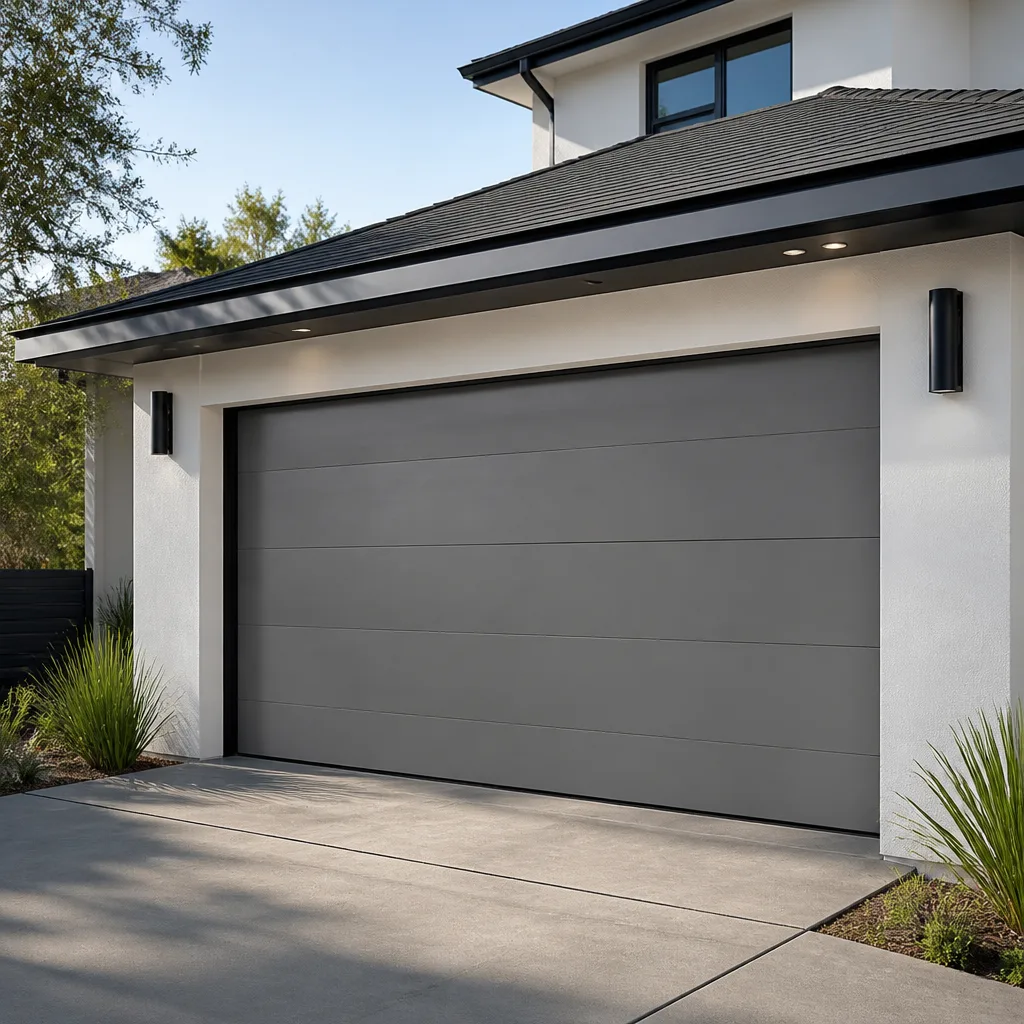 Modern flush
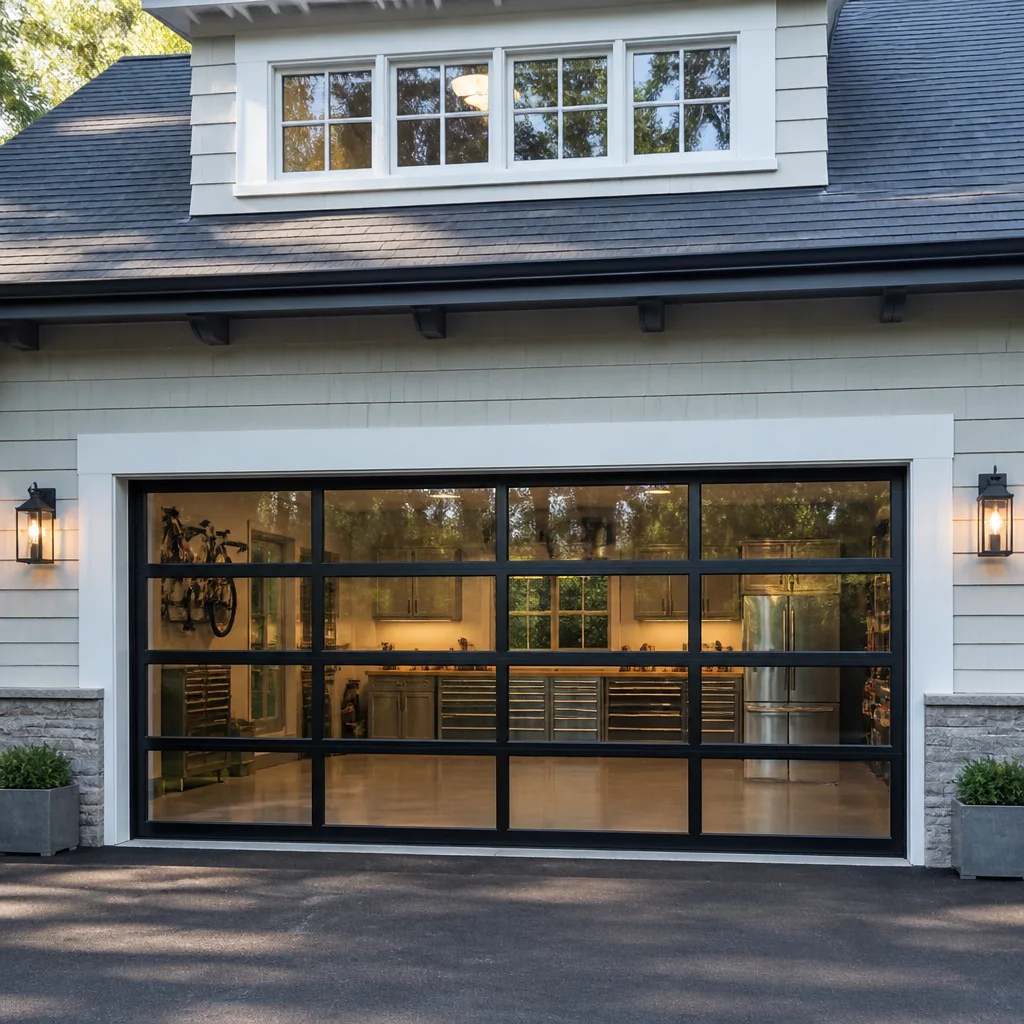 Full-view glass
 LiftMaster openers
 Chamberlain openers
Full 25-point door and opener safety check with every visit - springs, cables, rollers, tracks, and your LiftMaster or Chamberlain opener included
You get a price before we start. It does not change when the pro arrives.
Get your free estimateGarage Door Permits, Codes & Inspections in Lincoln Park, IL: What You Need to Know
An unpermitted garage door replacement rarely stops a sale on its own. It sits quietly in the file until the buyer’s attorney orders a permit history pull, which is now standard practice in Lincoln Park real estate transactions. That’s when the gap between what was installed and what the city ever approved turns into a negotiating problem, a retrofit, or a liability question nobody wants to answer after the fact. Chicago’s building rules treat garage door work inconsistently, and most homeowners never think to ask whether a permit was required. This guide walks through exactly when the code triggers a permit, how the city’s inspection process works for a door replacement, what product requirements affect your selection, and how to handle a contractor who discourages the paperwork.
Quick Answer
In Chicago, a full garage door replacement almost always requires a building permit, while a simple repair (springs, cables, rollers, a single damaged panel swapped in kind) usually does not. Opener-only work and parts replacement generally fall outside permit scope. Modifying the structural opening, changing the door size, or altering a fire-rated door between an attached garage and living space does require a permit and inspection. When in doubt, confirm with the Chicago Department of Buildings before work starts, and always ask your contractor whether they’re pulling one.
Styles & brands we work with
- Raised-panel steel
- Carriage house
- Modern flush
- Full-view glass
- LiftMaster openers
- Chamberlain openers
Table of Contents
- When Does Chicago Require a Permit for Garage Door Work?
- How the Chicago Permit Portal and Inspection Process Actually Works
- Code Requirements That Affect Which Door You Can Buy
- What Grandfather Status Does and Doesn’t Protect
- How to Handle a Contractor Who Discourages a Permit
- Permits in Lincoln Park’s Vintage Garages and Coach Houses
- What to Expect on Inspection Day
- Common Mistakes to Avoid
- When to Call a Professional
When Does Chicago Require a Permit for Garage Door Work?
Chicago requires a building permit for a garage door replacement, and it generally does not require one for a repair. That single distinction causes more confusion than any other part of the code, because homeowners use the words “replace” and “repair” interchangeably when they call. The city doesn’t.
Here’s how the categories usually break down in practice:
- Full door replacement: Permit required. A new door assembly changes the opening’s rated assembly, its wind resistance, and its attachment to the structure, all of which the city wants documented and inspected.
- Panel replacement in kind: Usually no permit when you’re swapping a damaged section for an identical section and nothing about the opening, track, or hardware changes. If you’re upgrading to a different panel profile or weight, ask before ordering.
- Spring, cable, roller, and hinge repair: No permit. These are maintenance items on an existing assembly.
- Opener replacement or opener repair: No permit. Openers are appliances, not structural assemblies. If you’re sorting out a dead opener, garage door opener repair covers what’s involved.
- Modifying the structural opening: Permit required. Widening, raising the header, changing the rough opening, or converting a solid wall into a door all trigger a permit and a structural review.
- Fire-rated door between attached garage and living space: Permit required for replacement. The rating matters, and the inspection confirms it.
If your project sits anywhere near the line between repair and replacement, the safe move is a phone call to the Department of Buildings before you order a door. The answer takes a few minutes. Ordering the wrong door and finding out at inspection takes weeks.
How the Chicago Permit Portal and Inspection Process Actually Works
Chicago runs permit applications through its online portal, and a garage door replacement typically files as a straightforward residential permit. The process is not complicated, but it does have a sequence, and skipping a step is what stalls a job.
- Confirm the scope in writing. Your contractor writes out exactly what’s being replaced: door assembly, tracks, hardware, whether the opener is being reused. That description goes on the application.
- Gather the product documentation. You’ll need the door’s manufacturer spec sheet showing wind-load rating and, where relevant, fire rating. Named brands like Clopay and Amarr publish this documentation for every model line, and your contractor should be able to supply it without a scavenger hunt.
- Submit through the portal. The licensed contractor of record files the application. If a company tells you they can’t file because they aren’t set up in the system, that’s a statement about how often they pull permits, not about the portal.
- Pay the permit fee and wait for issuance. Fees scale with the declared value of the work. Issuance timelines vary with city workload, so build the wait into your schedule rather than around it.
- Install only after the permit is issued. Work performed before issuance is unpermitted work, even if the permit gets approved later.
- Request the inspection. After installation, the contractor calls for inspection. The inspector verifies the installed door matches what was permitted: model, rating, attachment, and safety hardware.
- Close the permit. A passed inspection closes the record. That closed record is what shows up clean in a future permit history pull.
For Lincoln Park homeowners in greystones and vintage two-flats, the wrinkle is often the garage itself: detached structures with older framing, sometimes a coach house conversion in the mix, where the inspector wants to see how the new door anchors to what’s actually there. That’s a conversation best had before the door is ordered, not after.
Code Requirements That Affect Which Door You Can Buy
Permit paperwork is one thing. The code requirements behind it shape which door you can actually install, and that’s where product selection and permit scope collide. Here’s what comes up most often in Lincoln Park.
Wind load
Garage doors are rated for wind resistance, and the required rating depends on the structure and its exposure. A door that isn’t rated for the load at your address can fail inspection, and the fix is a new door, not a new sticker. When you’re comparing models, the wind rating is on the spec sheet, and it should match what the permit calls for.
Fire-rated doors between garage and living space
Where an attached garage shares a wall or door with living space, the code requires a fire-rated separation. If your home has that configuration, replacing the door means replacing it with one that carries the right rating. This is a permit item because it’s a life-safety item.
Egress
A garage door is not an egress path, but a pedestrian door inside a garage sometimes serves as one, and its swing and hardware fall under egress rules. If your replacement plan touches a man-door, ask how it’s classified before you order.
Safety hardware
Every new door installation today includes photoelectric safety sensors and a reversing mechanism. If you’re keeping an older opener, confirm it can accept the sensors. A door that meets code but pairs with an opener that doesn’t is a job that isn’t finished.
None of this is exotic. It’s the ordinary checklist that separates a door purchase from a door installation. If you want the broader view of what a full replacement involves, that lives on the garage door installation page.
What Grandfather Status Does and Doesn’t Protect
Grandfathering protects an existing condition from new code requirements. It does not protect a new condition. That distinction matters enormously in Lincoln Park, where a large share of the housing stock predates the current code by many decades, and where “it’s been like that forever” is a phrase we hear on a lot of first visits.
What grandfather status covers:
- An existing door and opening that met the code in force when it was installed and hasn’t been substantially altered. The city generally doesn’t force you to upgrade it just because the code moved on.
- Routine maintenance on that existing assembly. Springs, cables, and rollers get replaced without triggering a code review, because you’re restoring, not changing.
What it doesn’t cover:
- Replacing the door assembly itself. A new door is a new condition and is reviewed against current requirements.
- Modifying the opening. Widen the opening and the grandfather clock stops; the altered assembly is evaluated as new work.
- Adding a door where there was a wall. That’s new construction, full stop.
- Correcting a prior unpermitted change. If an earlier owner installed a door without a permit, grandfathering doesn’t retroactively bless it. It just means the issue waits for the next permit pull or sale to surface.
The practical takeaway for a vintage Lincoln Park garage: you can absolutely keep an older door alive with attentive repair, and there’s a real case for doing so when the assembly is sound. The moment you replace the assembly or change the opening, assume current code applies and plan the permit accordingly.
How to Handle a Contractor Who Discourages a Permit
When a contractor tells you a permit is unnecessary, treat it as information about the contractor, not about the code. The pitch usually goes something like “we do these all the time, nobody pulls a permit.” That’s a confession dressed as a courtesy.
Here’s a short list of what that pitch is actually telling you:
- They may not be set up to pull permits. Filing requires a licensed contractor of record on the account. A company that can’t file is a company that hasn’t been through the process.
- They’re shifting the liability to you. The permit is the record that the work was reviewed. Without it, the exposure sits with the property owner.
- They may be installing a door that wouldn’t pass. If the door doesn’t carry the required rating, avoiding inspection avoids the finding.
- They may be a generalist stretching into door work. Specialists who do this every day build the permit cost into the job and move on.
What to say: “Will you be pulling the permit?” If the answer is anything other than yes, walk. A legitimate contractor will tell you what the permit costs, what the timeline looks like, and whether your specific project triggers one. If they’re vague about all three, that’s your answer too.
We pull permits on replacements because it’s the only way the work is closed out properly. Garage doors only is what we do, and the paperwork is part of the job, not an obstacle to it.
Permits in Lincoln Park’s Vintage Garages and Coach Houses
Lincoln Park’s housing stock creates permit situations you don’t run into in newer subdivisions. A greystone two-flat with a detached garage out back, a coach house that was converted decades ago, a tight alley approach that limits how a door can swing or anchor: these are ordinary conditions here, and each one changes the permit conversation.
A few local patterns worth knowing:
- Detached garages need the anchoring reviewed. Older framing doesn’t always provide clean attachment points for a modern door assembly. The permit inspection looks at how the door is fastened to what’s actually there, so a contractor needs to have evaluated the framing before filing.
- Coach house conversions often carry unpermitted history. If a prior conversion never went through the city, a door replacement is the moment the record gets examined. Better to know that going in than to discover it at inspection.
- Seasonal movement affects the opening. Lincoln Park’s freeze-thaw cycle works on garage slabs and framing through the winter. A door that fit cleanly in October can bind by February, and an inspector walking the opening will notice. Our technicians have up to 12 years of experience reading those signs before they become inspection findings.
- Alley setbacks and approach clearances constrain which door styles and track configurations are practical. That’s a design question that feeds straight back into which model gets permitted.
None of this makes a Lincoln Park replacement harder than it should be. It just means the company doing the work needs to know the housing stock, not just the product catalog.
What to Expect on Inspection Day
The inspection itself is short. The inspector is verifying that what’s installed matches what was permitted, and that the safety equipment works. Here’s what gets checked:
- The door matches the permit. Model, size, wind rating, and fire rating where applicable, compared against the spec sheet filed with the application.
- The assembly is properly anchored. Tracks, brackets, and the header attachment are visually inspected for soundness and correct fastening.
- Balance and travel. The door runs smoothly, stays where it’s placed when partially open, and doesn’t bind or jump.
- Safety hardware functions. Photoelectric sensors interrupt the door when the beam is broken, and the reversing mechanism responds.
- Fire separation, where applicable. The rated door between an attached garage and living space is checked for the correct assembly.
- The permit record is closed. A passed inspection closes the file, and that’s the record that shows up in a future history pull.
If something fails, the fix is usually small: a sensor height adjustment, a re-anchor, a documentation gap. Being present for the inspection is worth the time, because a question answered on-site beats a reinspection scheduled two weeks out. For day-to-day troubleshooting once the door is in service, our garage door repair page covers the common failure points.
Common Mistakes to Avoid
- Assuming a permit is only for structural work. A like-for-like door replacement is still a permit item in Chicago. Ask the question before ordering the door, not after it’s installed.
- Ordering a door before confirming the wind rating. The rating has to match what the permit calls for, and a mismatched door fails inspection no matter how well it’s hung.
- Letting the contractor talk you out of the paperwork. A discount offered in exchange for skipping the permit is a discount against your own liability, and it’s not worth taking.
- Confusing grandfathering with immunity. A vintage Lincoln Park garage keeps its grandfather status as long as it isn’t substantially altered. Replace the assembly or change the opening and you’re under current code.
- Skipping the pre-filing framing check on a detached garage. Older framing can require reinforcement before a new door anchors safely. Finding that out at inspection adds weeks.
- Pulling the permit after installation instead of before. Work done before issuance is unpermitted work, and the city can require it to be exposed or redone.
- Not keeping the closed permit record. That document is the thing a buyer’s attorney will ask for. Keep it with your closing file.
When to Call a Professional
Some garage door work is genuinely a professional job, and permits are one reason among several. Replacement, structural opening changes, fire-rated door swaps, and anything touching a vintage opening all warrant a licensed contractor who files the paperwork as a matter of course. So does anything high-tension. Garage door springs are under extreme load, and they’re a component many generalists decline or subcontract rather than handle directly. We handle them in-house, along with the panels, tracks, hardware, and openers on the brands already in your garage, including Clopay, Amarr, Wayne Dalton, and Craftsman. We work across the full lifecycle: opener repair, spring repair, panel installation, and parts supply, so a permit question never turns into a second vendor. If you’re unsure whether your project needs a permit, that’s worth a call before you buy anything.
Garage Door Repair Lincoln Park offers free estimates in Lincoln Park. Call (855) 658-5155. We answer 24/7. Fast dispatch from 7am to 7pm, Sunday through Friday.
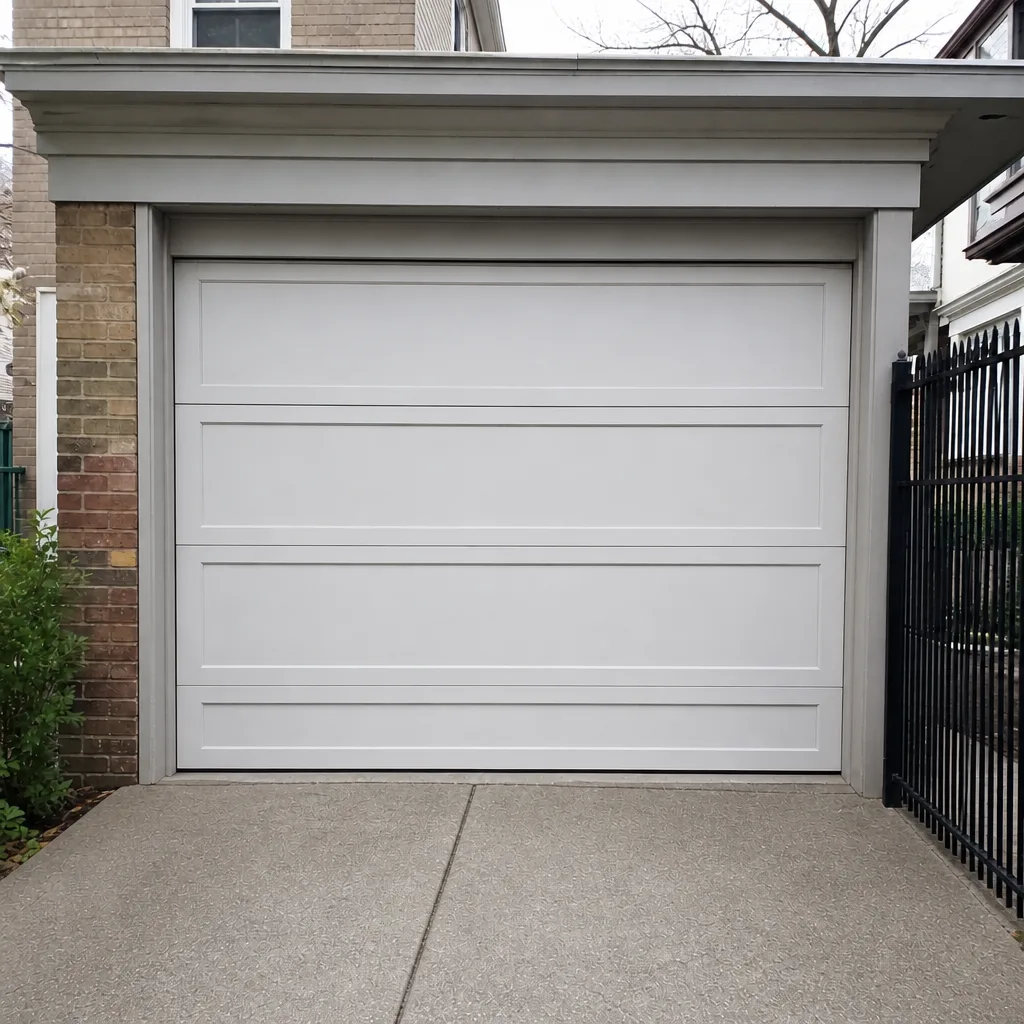
See the difference
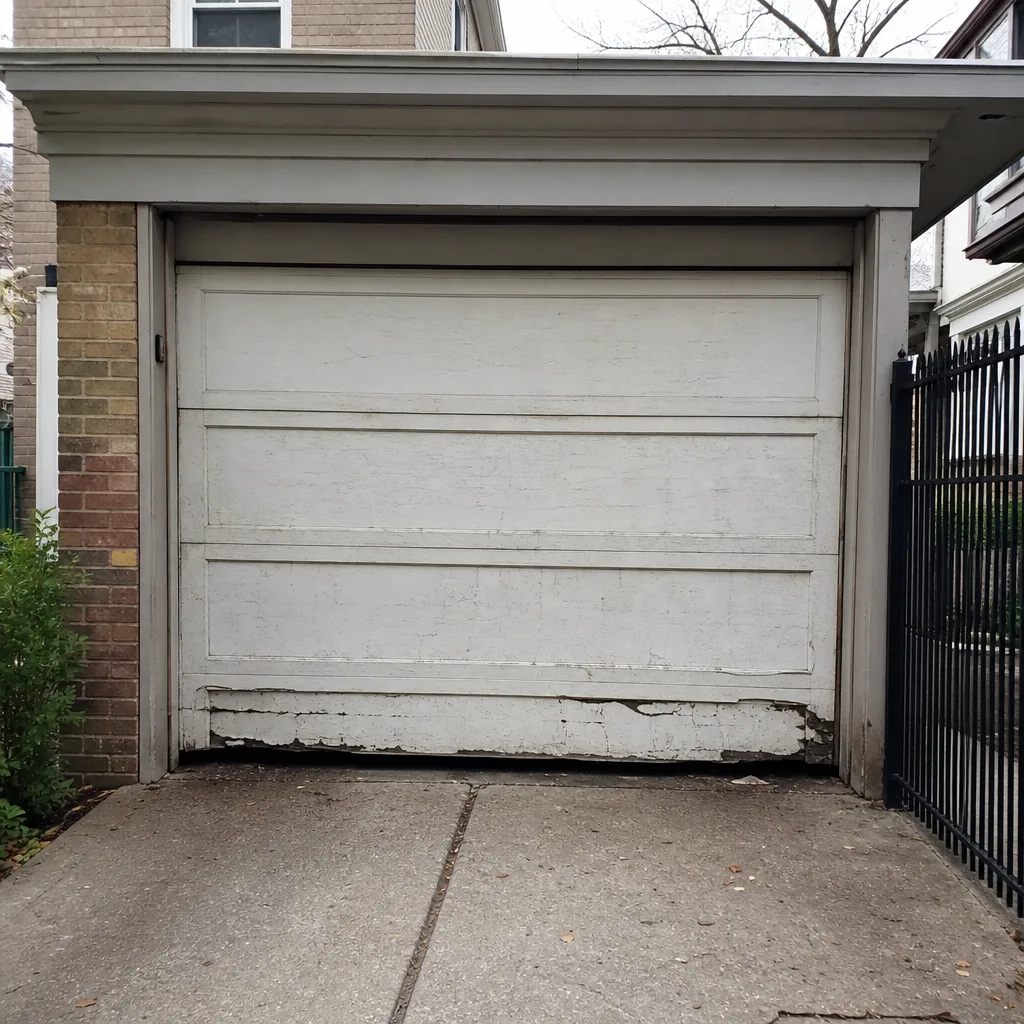
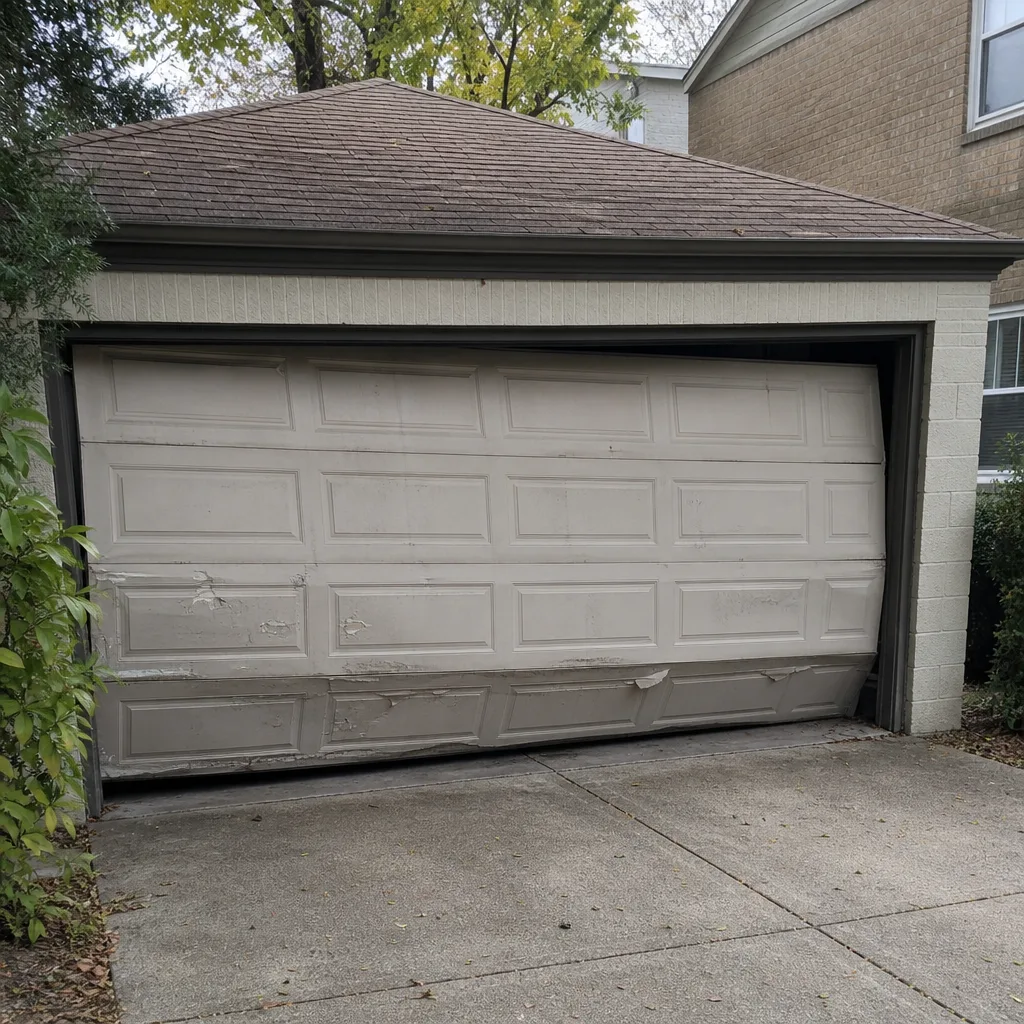 Before
 After
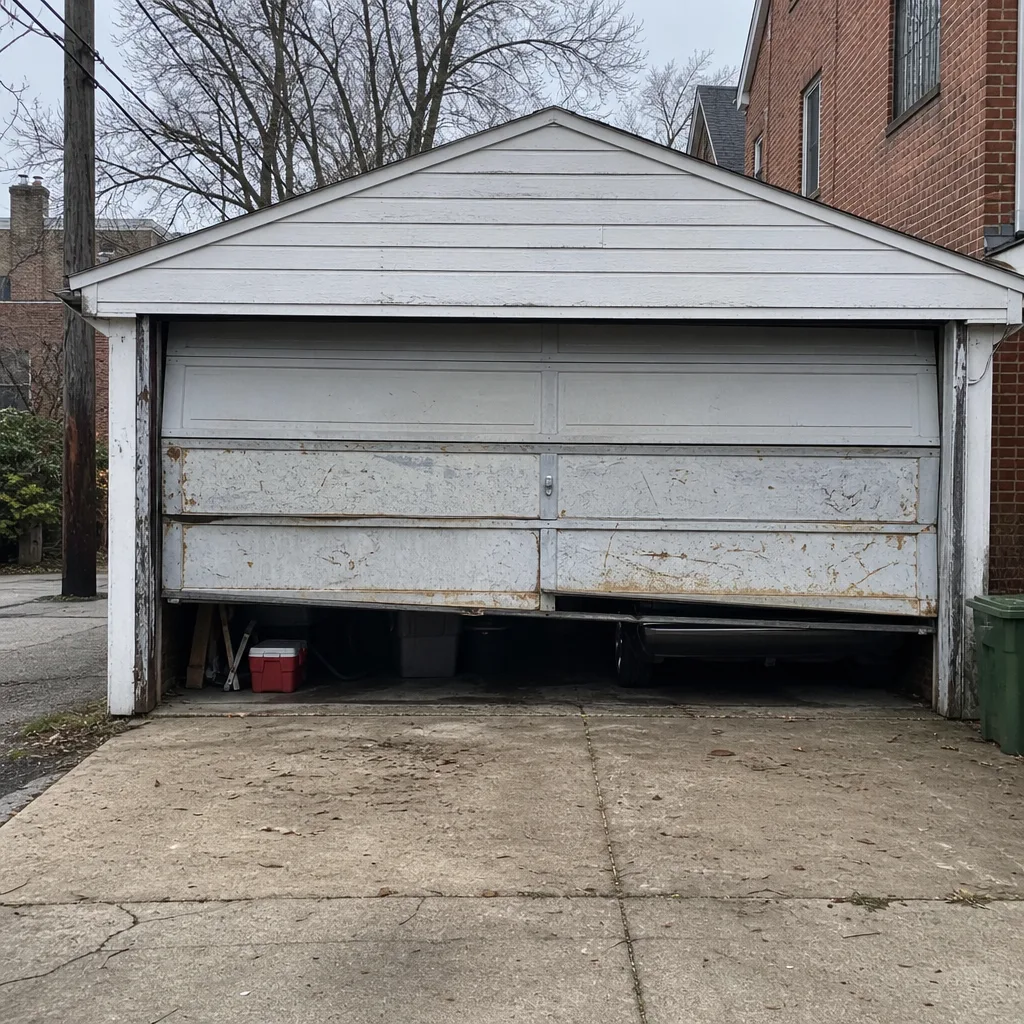
 Before
 After
 Before
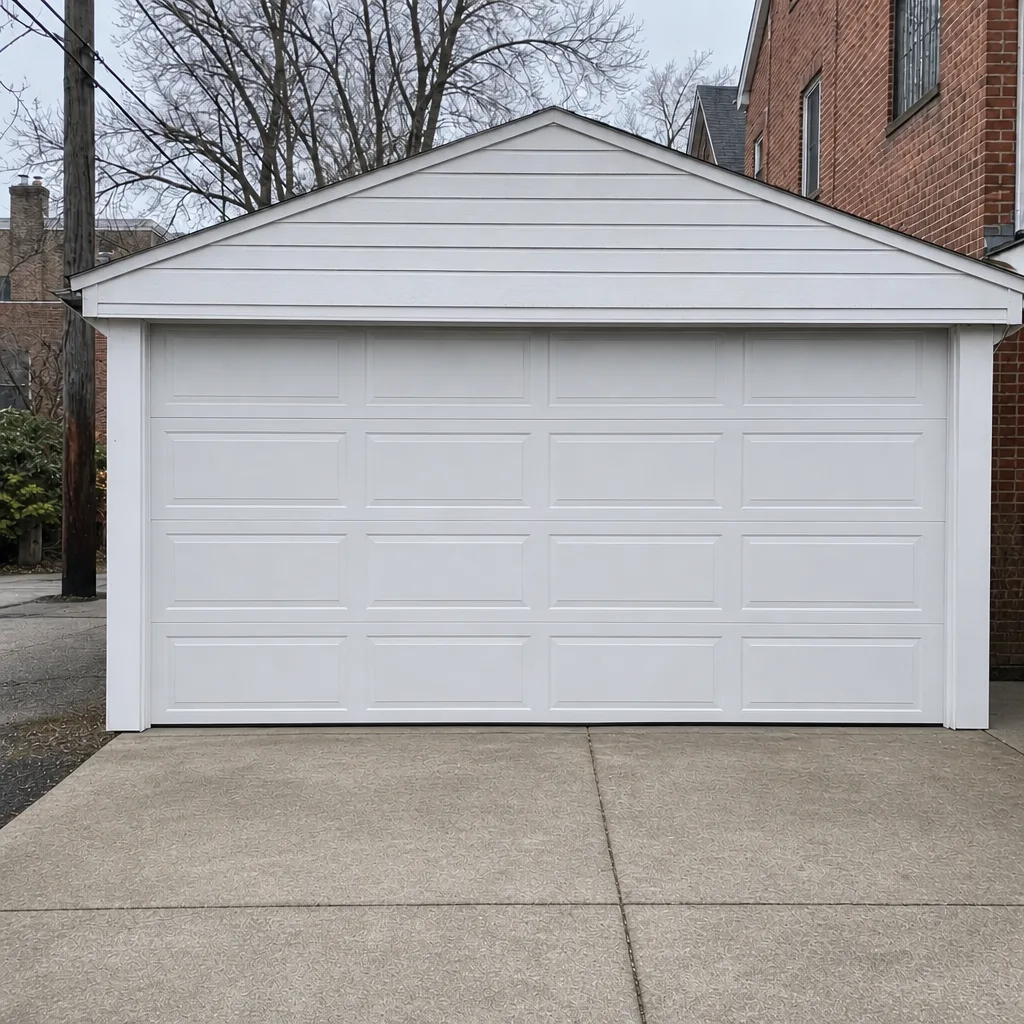 After
Frequently Asked Questions
Yes. A full garage door replacement in Chicago generally requires a building permit and a final inspection, because it changes the rated assembly and its attachment to the structure. A repair to an existing door usually does not. Call (855) 658-5155 for an exact quote, and we’ll tell you which category your project falls into.
No. An opener is treated as an appliance rather than a structural change, so opener replacement and opener repair fall outside permit scope. If the work also involves exchanging the door assembly or modifying the opening, the permit question comes back. Call (855) 658-5155 and we’ll scope it clearly.
Timelines vary with city workload, so build the wait into your schedule rather than committing to a fixed installation date up front. The inspection itself is scheduled after installation and is typically short. Call (855) 658-5155 for an exact quote and a realistic timeline for your project.
The work is unpermitted, which means it wasn’t reviewed or inspected, and that gap can surface during a sale, a refinance, or a later inspection. The usual remedy is a retroactive permit process, which is slower and more invasive than filing correctly the first time. Call (855) 658-5155 to get the paperwork handled properly from the start.
No. Grandfathering protects an existing, unaltered assembly from new code requirements. Replacing the door assembly or modifying the opening is treated as new work and reviewed against current code. A sound older door can stay in service with attentive repair. Call (855) 658-5155 for an exact quote on either path.
No. We quote the job, you agree the price in writing before any work starts, and that written estimate sets the final price. The written estimate is the number, and it doesn’t move after the fact. Call (855) 658-5155 for a free estimate.
The Bottom Line
Chicago’s permit rules on garage door work aren’t complicated once you separate replacement from repair. A full door replacement needs a permit and an inspection. Springs, cables, rollers, and openers usually don’t. The code requirements behind the permit shape which door you can install, from wind rating to fire separation, and grandfathering protects an existing assembly without blessing a new one. The single most useful habit is asking your contractor, in writing, whether they’re pulling the permit. A specialist answers that question without hesitation. If the answer is vague, that’s your signal to look elsewhere.
Garage Door Repair Lincoln Park handles permit-required replacements across Lincoln Park, working on the brands already in your garage. For a free estimate, call (855) 658-5155.
Written by the team at Garage Door Repair Lincoln Park.